Get Full Government Meeting Transcripts, Videos, & Alerts Forever!
Crews rappel into eagle nest to band and check nestlings, staff member says
Summary
A staff member described a field operation in which crews boated to a nest site, rappelled in to secure and band three eagle nestlings, removed fishing line and hooks, and returned the birds to the nest; banding helps track Arizona's relatively small and isolated population.
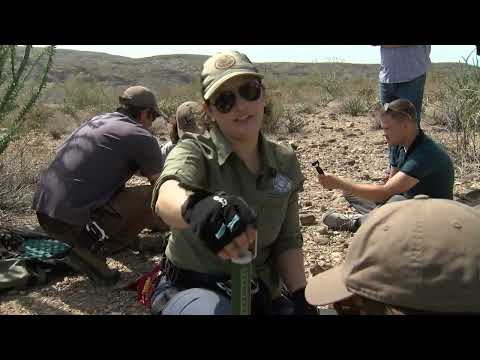
A staff member, presenter, said crews boated about 25 minutes in, hiked up a steep incline and rappelled into an eagle nest to secure and band three nestlings before returning them to the nest.
"We wanna make sure they're doing well, make sure they don't have problems with parasites the chance to remove fishing line and fishing hooks from the nest if they've come in with the fish that's been brought in,"…
Already have an account? Log in
Subscribe to keep reading
Unlock the rest of this article — and every article on Citizen Portal.
- Unlimited articles
- AI-powered breakdowns of topics, speakers, decisions, and budgets
- Instant alerts when your location has a new meeting
- Follow topics and more locations
- 1,000 AI Insights / month, plus AI Chat