Get Full Government Meeting Transcripts, Videos, & Alerts Forever!
Get email alerts on the Budget topic
No spam. Unsubscribe anytime.
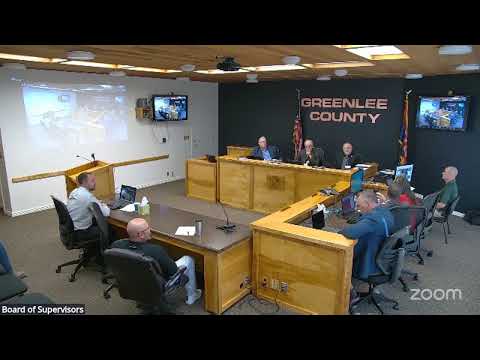
Greenlee supervisors set budget guidance: stay under Truth‑in‑Taxation rate, accept 4.5% health pool increase and align per diem with state
Summary
Supervisors directed staff to build the fiscal year budget within the Truth in Taxation (TNT) rate, accepted a 4.5% health‑insurance pool increase with cost split between employer and employee, agreed to align mileage and per‑diem with state rates, and discussed election‑related legislation that could raise precinct requirements.
The Greenlee County Board of Supervisors on Tuesday gave staff preliminary budget direction: build next year’s spending plan under the Truth in Taxation (TNT) rate unless staff later demonstrates a need to exceed it, accept a 4.5% increase to the county’s health‑insurance pool costs and split that increase evenly between the employer and employees, and align mileage and per‑diem rates to current state rates.
County staff said shared sales tax revenue is running above conservative projections, with the county about $647,000 ahead of the initial annual projection at the time of the presentation. Staff recommended, and the board concurred, that initial budget work assume the TNT rate; supervisors said they prefer to avoid going to the TNT hearing zone unless necessary.
On employee benefits, county staff reported the pooled health plan for six small counties recommended a 4.5% premium increase after actuarial review. "We adopted a 4 and a half percent rate increase," the staff presentation said; supervisors agreed to continue the county’s current practice of splitting increases equally between employer and employee. Staff estimated the county’s portion of that increase for an average family plan would be about $63.18 monthly.
Supervisors also instructed staff to align county per‑diem and mileage reimbursements with state guidance issued in late January. The board was told adopting the state per‑diem and higher mileage rate would have a modest budget impact (staff estimated $10,000–$15,000 depending on usage) and several supervisors supported staying concurrent with the state.
Budget reserves and capital priorities: staff proposed keeping a charitable donations reserve (the board had previously budgeted approximately $10,000) and confirmed capital project tiering (tier‑1 short‑term, tier‑2 mid‑term planning, tier‑3 aspirational). Supervisors asked staff to keep ambulance replacement high on the capital radar and to bring options after an ambulance vendor visits county facilities.
Elections and legislation: staff warned of a state bill under consideration that would require precincts to be no larger than 1,000 voters, a change that could increase polling locations countywide, require additional equipment and poll workers and raise costs if enacted. Staff said they will draft a letter to the county’s senator and continue monitoring the legislation.
What’s next: staff will continue detailed budget work, present tier‑1 capital recommendations, and return with more precise revenue, valuation and appropriation proposals in future budget sessions.