Get Full Government Meeting Transcripts, Videos, & Alerts Forever!
Get email alerts on the Student Safety Vaping topic
No spam. Unsubscribe anytime.
Lincoln High outlines expanded vaping detection, searches and sanctions after dozens of incidents
Summary
Lincoln High School staff told the school board the school is seeing dozens of vape-detector activations daily, has recovered nicotine and THC vaping devices in targeted bathroom searches and is combining education, targeted enforcement and student support to address the problem.
Lincoln High School officials told the Wisconsin Rapids School District Board of Education on April 14 that vaping — including THC vapes — remains common on campus and that the school is expanding targeted searches, detector monitoring and education to reduce use and protect student safety.
Administrators said the school averages roughly 39 vape-detector hits per day and that THC cartridges have been recovered this school year. School staff described a protocol used when detectors indicate vaping: administrators clear the bathroom, identify who entered based on camera footage, remove students to an office and, when appropriate, have the school resource officer conduct a wand search. Officer Oliveras described the enforcement steps and consequences for students found to possess vaping devices.
School officials said targeted bathroom searches performed March 19 led to findings in five of six bathrooms checked, including one THC device. Parents were notified. Administrators told the board they heard appreciation from some parents and students for the targeted approach because bathrooms had become unusable at passing time. "If we can get this to stop, [students] were thankful that we were doing something more to get this to stop so they can come in and use those spaces," an administrator said.
Why it matters: staff said nicotine and THC vaping is not just a disciplinary issue but a health and safety concern. Presenters noted THC vapes can incapacitate students and have led to ambulance calls. They also said the devices are inexpensive and readily available, with youth-targeted flavors and packaging.
What the district is doing: Lincoln has invested in detectors (about $35,750 for the high school), uses camera data to pinpoint times and locations, runs targeted enforcement during passing periods, and has placed vape drop boxes in some bathrooms so students can surrender devices. The school’s FACT student group (Fight Against Corporate Tobacco) has helped design disposal boxes and does peer education. Administrators emphasized education and cessation support as primary strategies, noting that "you cannot consequence your way out of addictions." The district is seeking staff trained in evidence-based cessation programs and plans to expand student-facing prevention work.
Consequences and process: administrators described a tiered approach. For nicotine devices, the first offense results in an educational course and a 15-day loss of privileges rather than a citation; repeat offenses carry progressively stricter school sanctions. For THC devices, Officer Oliveras said the school tests the device; a confirmed THC device leads to a five-day out-of-school suspension, a required educational course, meeting with the school counselor and a conditional reentry process that can include a urine drug screen and assessment-driven requirements. Administrators said repeated offenses may lead to expulsion.
Operational impacts: staff said vaping has increased maintenance and custodial work (devices have been recovered from plumbing and walls), reduced bathroom availability for students and required additional staff time for searches, notifications and follow-up. Administrators reported having removed three vapes and two recently used cartridges from one plumbing pipe and said it has taken custodial staff up to an hour to remove some devices.
Board discussion and next steps: the district will add restroom searches and vaping language to the student handbook for May approval, clarify policy language to address nicotine pouches, continue targeted enforcement when detectors indicate vaping, and pursue training for school staff to deliver cessation programs. The FACT student group will continue to be engaged in education and disposal efforts.
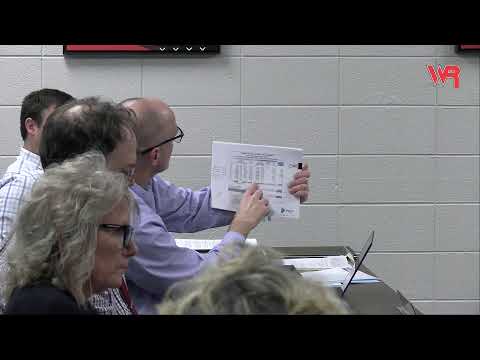
The presentation included data snapshots from detectors and student reports; staff cautioned that some national trends (a reported decline in youth vaping in recent years) had not yet been reflected at Lincoln.
Ending: Board members thanked presenters for the update and asked for continued monitoring and handbook clarifications ahead of the May approval cycle.