Get Full Government Meeting Transcripts, Videos, & Alerts Forever!
Get email alerts on the Immigration Deportation topic
No spam. Unsubscribe anytime.
Massachusetts Senate Condemns Federal Immigration Detentions, Vows to Defend Due Process
Summary
Senate President Karen Spilka and a majority of Massachusetts state senators used a floor session to denounce recent federal immigration detentions and related policy cuts, named specific local incidents, and pledged state-level responses including proposed funding for legal representation.
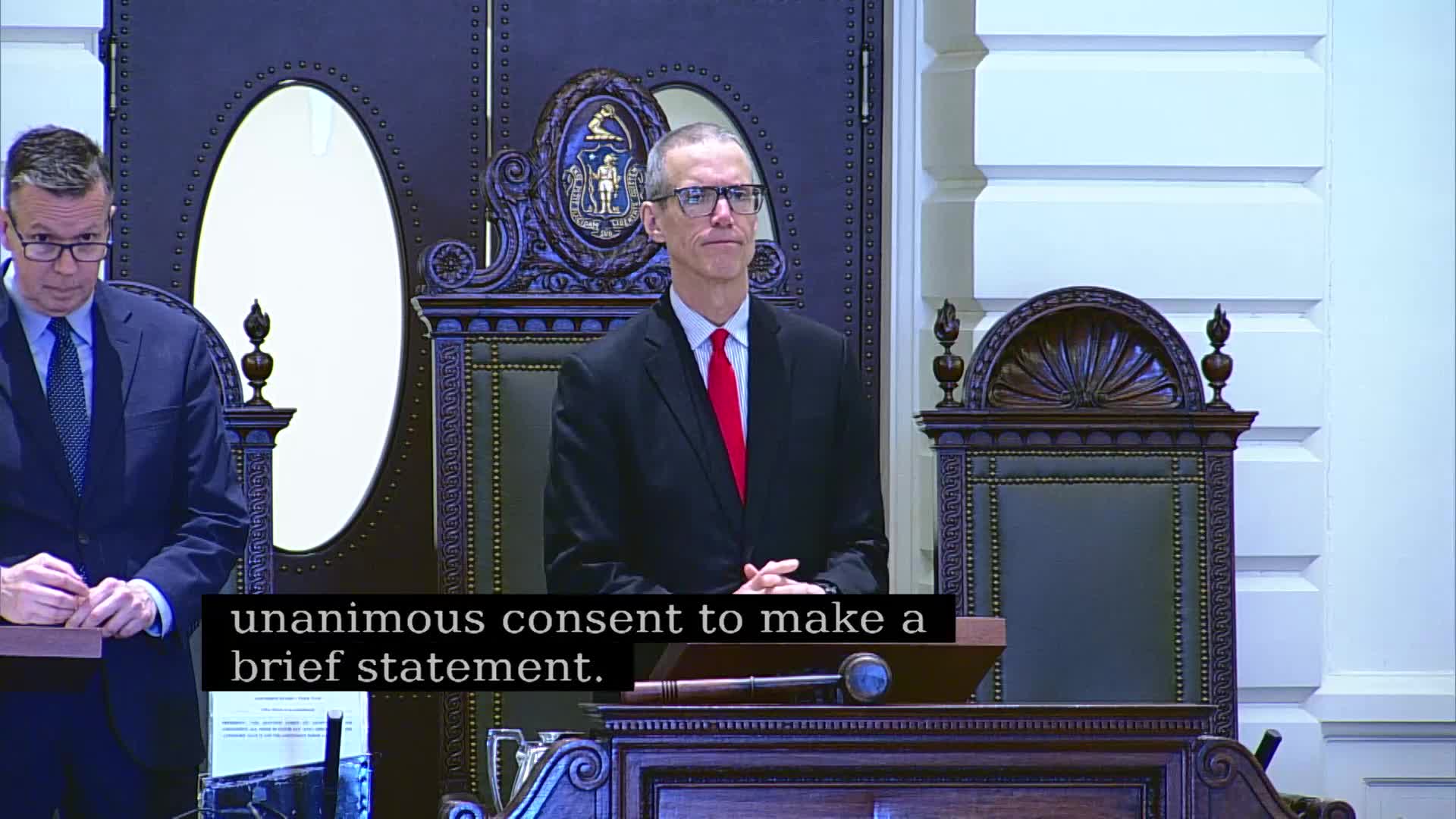
BOSTON — The Massachusetts State Senate convened for a special floor statement session in which Senate President Karen Spilka and more than a dozen senators condemned recent federal immigration enforcement actions, named local detainees and incidents, and pledged state-level responses and possible legislation to protect residents’ access to due process.
Spilka opened the remarks by saying the chamber must “wear bear witness” and “use our voices to push back against those in power who would reject the rule of law and due process.” She said, “Let it be entered into the record today that I unequivocally object to the dissolution of due process and the rule of law in America.”
The remarks tied local cases to broader concerns about courts and enforcement. Several senators named people who were detained in Massachusetts in recent weeks, including Ramesa Ozturk, a 30‑year‑old Tufts student taken near campus; Juan Francisco Mendez of New Bedford; and Sunua (also spelled Senua/Sunua in testimony) Petrova, a Harvard‑affiliated researcher detained at Logan Airport. Senator Jalen said, “Ramesa Ozturk is my constituent. She was captured on the street in my city,” and called her detention “truly frightening.”
Why it matters: senators said the incidents raise constitutional and public‑safety questions and risk chilling civic life and higher education. Multiple speakers warned that sudden detentions are deterring students, workers and customers from public life and harming local economies, research institutions and health programs that rely on international talent and federal funding.
Key details and proposals
- Senator Gomez said she has filed legislation “that aims to address the disparity by securing state funding for legal services to represent Massachusetts residents at risk of deportation,” framing the proposal as a way to ensure legal representation for people facing removal proceedings. Gomez described the bill as intended to provide counsel “regardless of their dedication and contributions to our communities.”
- Senators noted local economic and research impacts. One senator said UMass Chan in Worcester faces 595 clinical trials at risk and that 12,000 Central Massachusetts residents rely on life‑saving treatments tied to research funding. Others cited cuts to federal grants, including a reported near‑$1 million reduction in asthma‑prevention funds affecting Western Massachusetts and a $47.5 million funding cut to Springfield school infrastructure tied to K–12 grants.
- Speakers repeatedly invoked constitutional protections and recent court rulings. Senator Kennedy referenced the Supreme Court’s handling of the Abrego Garcia matter and emphasized the Fourteenth Amendment’s guarantee that “no state shall deprive any person of life, liberty, or property without due process of law.” Several senators also mentioned the Alien Enemies Act while questioning the legality of recent deportation actions.
What senators said they would do
Senators said the chamber will continue to press state policy responses and support local legal services. Proposals mentioned on the floor included state funding for immigrant legal defense, bills with names cited by senators such as the Immigrant Legal Defense Act, the Dignity Not Deportation Act, the Safe Communities Act and the Location Shield Act, and the Senate’s ongoing “Response 2025” initiative to coordinate protections for residents.
No binding state action on arrests or deportations was recorded during the session; senators described legislation and budget moves under consideration. Senator Feingold said the chamber should increase funding for the attorney general’s office to respond to federal litigation.
Voices from affected communities and institutions
Speakers named institutions and localities affected by the enforcement actions and funding changes: Tufts University, Harvard Medical School, UMass Chan, Cambridge and Kendall Square research hubs, Chelsea, Everett, Winthrop, New Bedford and Springfield. Senator speakers said businesses and social‑service providers in immigrant communities reported fewer customers and incidents of intimidation around service providers such as La Colaborativa in Chelsea.
Procedural note
The Senate recessed briefly during the session and later adopted an order to adjourn to its next scheduled meeting on Thursday at 11:00 a.m.; that procedural order was approved by voice vote.
Context and next steps
Senators framed the session as a moral and constitutional response to federal policy rather than a state remedy to immigration enforcement. Several senators urged rapid legislative action to expand legal representation and local protections where statutorily possible; others emphasized advocacy, oversight funding and coordination with local partners. No final votes on substantive immigrant‑protection bills were recorded in the transcript.
Ending
Lawmakers concluded by urging residents to organize and by reiterating the Senate’s intent to press for state measures that could protect due‑process rights and sustain services when federal programs are reduced or altered.