
Lengthy committee hearing on rideshare protections highlights driver safety, pay and deactivation disputes
Get AI-powered insights, summaries, and transcripts
Subscribe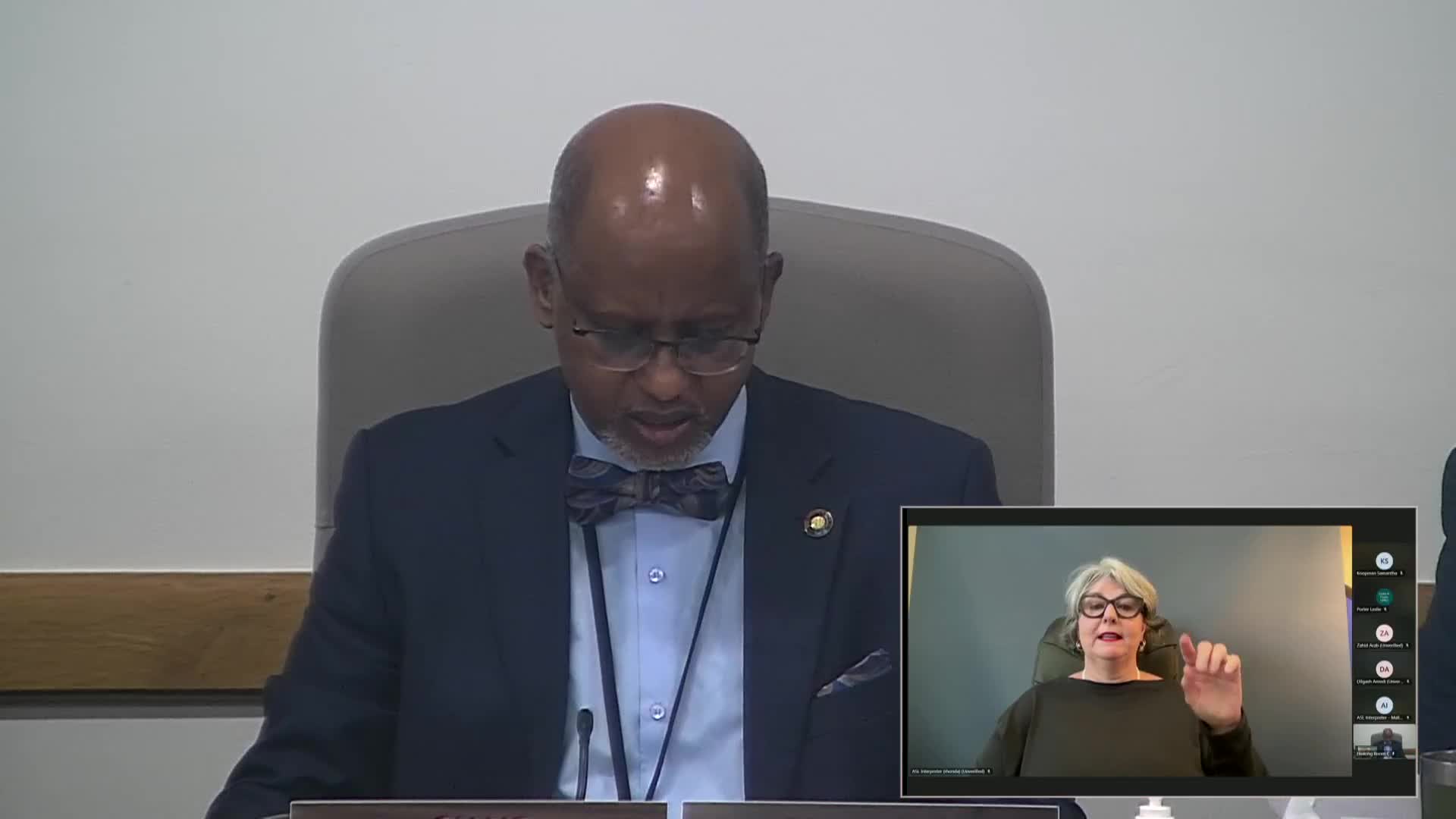
Summary
Senate Bill 1166 drew extended testimony from drivers, family members and industry representatives on pay, deactivations, paid sick leave and safety; committee testimony closed with no floor vote recorded at the hearing.
Senate Bill 1166 prompted an extended public hearing in the Senate Rules Committee, with dozens of drivers, family members and representatives from rideshare companies offering testimony for and against the measure.
As introduced and amended in the dash‑1 amendment described in committee staff summary, SB 1166 would require transportation network companies (TNCs) to compensate drivers, allow paid sick leave accrual and use, create a driver resource center and fund (the dash‑1 appropriated $4,000,000 to the driver resource fund), require trip and pay transparency reporting to the Bureau of Labor and Industries (BOLI), and prohibit retaliatory deactivations without just cause. Staff also said the bill would declare an emergency effective July 1, 2025.
Supporters — including Senator Casey Chama (sponsor), drivers and labor advocates — said the bill is intended to protect drivers from unexplained deactivations and unpredictable pay. Driver Ahmed Alsharmani told the committee of being deactivated for two years and losing income and benefits, saying, "We are slave for this company." Driver-organizer Nathaniel Hudson Hartman told the committee SB 1166 "seeks not power, but to empower, advocate, and educate" drivers and emphasized concerns about algorithmic control and deactivation practices.
Representatives of Uber and Lyft testified in opposition to the current version. Sahid Arup of Uber said the company "supports improving working conditions for thousands of Oregonians, but this bill is not the answer," and warned that the earnings mandate in the bill could make Oregon among the most expensive rideshare markets. Marissa Cade of Lyft estimated the dash‑1 could increase ride prices and reduce ride volume, saying higher prices would harm low‑income riders and could reduce driver earnings overall.
Family members and safety advocates also testified. Darren Campbell and Kelly Calvin described safety concerns for drivers; Kelly Calvin's husband, who drove for Uber, was murdered while driving and she urged the Legislature to consider safety protections and passenger verification. Multiple drivers and representatives from the Oregon Center for Public Policy and other advocates urged passage to ensure minimum compensation and access to sick leave and enforcement through BOLI.
After several hours of testimony and a robust back‑and‑forth among members on concerns about service loss in rural areas, the committee closed the public hearing; committee leadership said the bill had been significantly amended and indicated an intent to continue stakeholder dialogues after session. No committee vote on final passage of SB 1166 is recorded in the transcript of this hearing.