Get Full Government Meeting Transcripts, Videos, & Alerts Forever!
Get email alerts on the Animal Services topic
No spam. Unsubscribe anytime.
Local nonprofit PALS seeks building, $450,000 to open low-cost spay/neuter clinic in Athens-Limestone
Summary
Partnership for Animals in Athens-Limestone (PALS) presented a plan April 28 to open a low‑cost spay/neuter clinic serving underprivileged pet owners, shelters and rescues. The nonprofit is seeking a roughly $450,000 startup budget, a 3,000–3,500 sq. ft. site and grant funding; no city appropriation was requested.
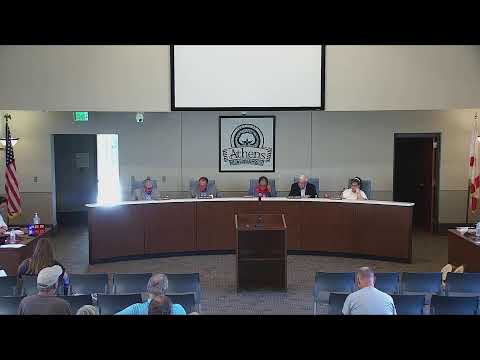
Spencer Bachelor, CEO of the Greater Huntsville Humane Society and a board member of Partnership for Animals in Athens‑Limestone (PALS), told the Athens City Council work session on April 28 that the group plans to open a low‑cost spay and neuter clinic to serve underprivileged pet owners, local rescues and municipal shelters in North Alabama. “Our goal is to open a low cost spay and neuter clinic to serve the underprivileged and the shelters and rescues in the North Alabama area,” Bachelor said.
PALS leaders said the clinic would focus narrowly on high‑volume spay/neuter surgeries rather than full‑service veterinary care, keep average client fees low and run a separate hardship fund to cover procedures for the poorest households. “We would appreciate any support that you guys can give us now or in the future,” Treasurer Carol Cruz said.
The group presented a basic business plan and several financial and operational targets. PALS said it expects to start with one veterinarian and grow to two; it plans high‑speed, assembly‑line workflows that require roughly 30–35 surgeries per vet per day. The organization said its budget for start‑up is about $450,000, with roughly $250,000 sought for medical equipment and building updates. PALS leaders said a donated building would be ideal but that they plan to lease if necessary; they said a site of about 3,000 square feet (3,500 preferred) is their target.
PALS estimated average client fees at about $100, with cat surgeries starting near $60 and dog surgeries higher depending on size; PALS also expects to run a separate grant‑funded program to pay for surgeries for very low‑income households and for barn cats and certain pit‑bull placements. Beverly Ashton, vice president of PALS, said the group has “made relationships with ASPCA and Best Friends” and intends to pursue grant funding rather than request a direct city appropriation.
PALS cited data from other cities showing steep reductions in shelter intakes after targeted spay/neuter efforts; the presenters said roughly 900–950 surgeries per year, sustained over multiple years, is the scale that has been associated with a roughly 50 percent reduction in shelter intake in comparable cases. They did not request specific funding from the council during the presentation.
Council members asked about how the clinic would interact with existing city or county spay/neuter funds; PALS said the clinic would be separate from the SNP/spay‑neuter funding the city supports and that the clinic’s own hardship fund would target the lowest‑income households. No formal action, appropriation or vote on city support was taken during the work session.
PALS said it hopes to open by the end of 2025 but gave no definitive timeline. The group invited council members, city staff and residents to share leads on suitable buildings or potential local partners.
Next steps: PALS will continue fundraising and site searches; council members and staff offered to share information but recorded no commitment to city funding.