Get Full Government Meeting Transcripts, Videos, & Alerts Forever!
Get email alerts on the Parks Ashwood topic
No spam. Unsubscribe anytime.
Bellevue council signals preference for Alternative F and formal name at Ashwood Park master-plan update
Summary
Councilmembers and the Parks and Community Services Board recommended a largely open 2.5‑acre design (Alternative F) and formalizing the longstanding name “Ashwood Park”; funding is from the city’s 2022 parks levy and construction is expected in 2027–28 pending environmental review and formal adoption.
Bellevue councilmembers on April 22 signaled consensus for a preferred concept — “Alternative F” — in the update to the Ashwood Park master plan and supported formally naming the site Ashwood Park.
The Parks and Community Services Board unanimously recommended Alternative F and that the park be formally named Ashwood Park. Eileen Cho, vice chair of the Parks and Community Services Board, told the council the board “unanimously voted to recommend Alternative F as the preferred, park design, and further, the board recommends formalizing the name of Ashwood Park to be the official name of the park.”
City staff described Alternative F as a design that preserves a large contiguous open lawn, adds a formal play area, provides a smaller off‑leash dog area, terraces for seating, restrooms, picnic shelters and a parking area of about 14–21 spaces. “In the middle, you see that we have restrooms and picnic shelters, and then we have that nice big expansive open space,” said Zachariah Collum, capital projects manager for Parks and Community Services.
Why it matters: Downtown Bellevue’s population and daytime workforce have grown sharply since the park’s original 1990 master plan. Staff and the board said preserving a larger open space responds to increased downtown housing density and the community’s repeated requests for urban green space, reservable picnic shelters and off‑leash areas.
Process and next steps: Staff sought council direction rather than a formal vote. Councilmembers gave a collective assent (a head nod) to identifying Alternative F as the preferred concept and to formalizing the name Ashwood Park. Staff told the council development of the site is funded by the 2022 parks levy; environmental review (SEPA) and final design remain to be completed and the city expects construction to occur in 2027 or 2028 pending those steps.
Community outreach and preferences: Parks staff said they held six community meetings, mailed 6,500 invitations, ran pop‑ups and online surveys and drew about 1,000 subscribers to project alerts. According to staff summaries presented to council, roughly 60% of respondents favored Alternative F over the other studied options; about 92% supported Ashwood Park as the formal name. The planning process produced two finalist concepts (F and G) and retained the 1990 plan for comparison; the board and staff said F best balanced open lawn, play, accessible pathways and the off‑leash need identified by downtown residents.
Funding and scope: Staff stated funds for the park’s development are allocated in the 2022 parks levy; the master plan update focuses on a roughly 2.5‑acre rectangle within the larger 3.8‑acre site. The project scope is focused on public‑space improvements rather than changes to private land use or housing, though staff said a future council could revisit alternatives that include structured buildings if priorities change.
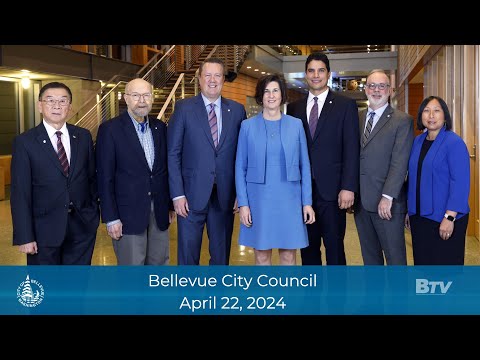
Council reaction: Councilmembers praised the outreach and the Parks and Community Services Board’s review. Councilmember John Hamilton, the board liaison, said the process “accurately reflects community preferences” and asked staff about schedule and funding. Several members emphasized speed of delivery and the importance of preserving downtown open space as residential density increases.
What’s next: Staff will proceed with environmental review and return to council with formal adoption actions and construction plans. No binding zoning or land‑use changes were made at the April 22 session; the council’s direction was to proceed refining Alternative F and complete the legal and environmental steps required before construction.