Get Full Government Meeting Transcripts, Videos, & Alerts Forever!
Get email alerts on the Public Comment Notice And Equity topic
No spam. Unsubscribe anytime.
Southwest Atlanta resident tells zoning committee he faces alleged real estate fraud, lack of notice and racial disparity in rezoning
Summary
A longtime Southwest Atlanta resident and retired Fulton County employee told the zoning committee he believes rezoning and planning actions have harmed District 10 residents, saying neighbors were not notified and alleging racial disparities and "real estate fraud."
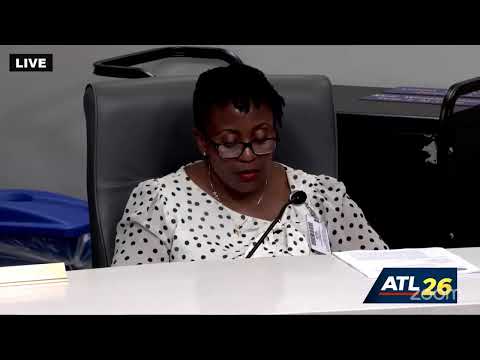
Joe Jones, who identified himself as a lifelong Atlanta resident, civil engineer and a retiree of the Fulton County Board of Commissioners, used his public-comment time at the Atlanta Zoning Committee to raise concerns about notification and equity in zoning and planning decisions for Southwest Atlanta’s District 10.
Jones told the committee that he has lived in his neighborhood for more than 60 years and that he has tracked changes he says stem from zoning approvals and the city’s comprehensive plan. He said residents were not being notified of rezoning proposals and that neighborhood changes were benefiting “the people on this board and the people behind you and not the residents here,” adding that Black residents are being treated differently than white residents.
“You look at me as a Black male,” Jones said, adding that he sees rezoning decisions and elements of the comprehensive plan as disadvantaging District 10. He also raised a separate local concern, saying the Martin Luther King corridor has a “serious solid waste problem” and that zoning in that area is not appropriate to address it.
Committee chair Council Member Dustin Hillis reminded Jones at the start of his remarks that the public-comment rules disallow speaking specifically to zoning matters during that portion of the meeting; Hillis asked him to give a general comment before Jones proceeded. Jones concluded by saying he would monitor future meetings.
Why it matters: A resident’s public comment raises procedural and equity questions about how neighborhoods are notified of land-use changes and whether affected residents have meaningful opportunities to weigh in as rezonings and plan updates proceed.
No committee action was taken in response to Jones’s comments during the meeting; his remarks were entered in the record as public comment and the committee continued with the agenda.