
PWCS outlines Stop and Think program, naloxone rollout and data trends in substance abuse prevention update
Get AI-powered insights, summaries, and transcripts
Subscribe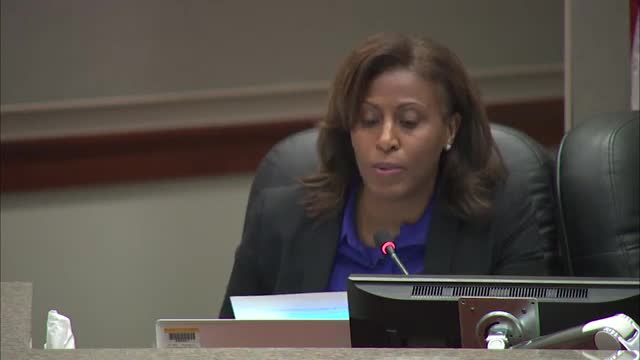
Summary
Division staff described a multi-pronged prevention strategy including Stop and Think (student education) and Stop and Talk (parent sessions), expanded Revive/Naloxone training, and data showing mixed trends in teen substance use.
Prince William County Public Schools presented an update on April 23 outlining prevention education, new staffing, and community partnerships intended to reduce youth substance use and improve early intervention.
"The substance abuse prevention specialists develop and implement programs who educate students, staff, and families on substance use risks, prevention strategies, and healthy decision making," said Dr. Kayla Goodwine, director of student health and wellness during the presentation.
Key components presented
- Stop and Think: a virtual, synchronous educational program launched in 2023 for students in grades 6–12 who are referred for substance-related infractions. Staff said 12 schools have referred students this year and provided referrals by grade: 6th (4), 7th (4), 8th (11), 9th (17), 10th (14), 11th (5), 12th (5).
- Stop and Talk: a parent education session for families of referred students that launched in November 2024 and is scheduled periodically to coincide with student sessions.
- Revive training and naloxone: the division has expanded Revive opioid-overdose recognition training for staff and increased naloxone availability in schools and administrative offices; staff said training participation rose about 20% year-over-year for the measured period.
- Curriculum and partnerships: elementary substance awareness lessons are delivered by school counselors and follow Virginia health SOLs; secondary lessons are delivered by health and PE teachers. Staff described partnerships with Prince William County Community Services, local coalitions, the Virginia Department of Health, law enforcement, and regional prevention groups.
Data and trends
Staff presented state and local data from the Virginia Office of Substance Abuse Prevention and internal division discipline data showing some overall declines from 2021–23 but an increase in PWCS substance-use infractions so far this school year. They identified marijuana possession and electronic cigarettes as the most common infractions and noted that middle-school electronic vapor product use had shown a small uptick in state data (from 9% to 10%). Staff cautioned that overdose death counts are small year-to-year and that trends require continued monitoring.
Board questions and follow-up requests
Board members asked whether Stop and Think sessions are synchronous (staff confirmed they are synchronous) and requested clarity on follow-up monitoring for participants; staff said administrators track attendance and monitor for additional infractions. Board members asked about available rehabilitation providers in the county; staff said they rely on community partners and Community Services to connect families to treatment and would follow up on provider availability.
Several board members suggested expanding prevention content for juniors and seniors and requested a final report on the vape detector pilot when the pilot concludes. Staff said they will continue program evaluation, strengthen school-health-counseling collaboration, and seek improved data collection to inform future efforts.
Ending note
The division emphasized prevention as an education-led effort and framed Stop and Think, Stop and Talk, Revive training and community partnerships as complementary strategies to reduce substance use and support reintegration after treatment or hospitalization.