Lifetime Citizen Portal Access — AI Briefings, Alerts & Unlimited Follows
Tempe presents Hayden Butte and Papago preserves management plan, proposes MOU with tribal partners and stewardship program
Loading...
Summary
City staff presented a management plan for Hayden Butte and Papago Preserves that includes 45 recommendations across 14 objectives, a proposed memorandum of understanding with Salt River Pima Maricopa Indian Community, a pilot park steward program and measures to address trails, invasive species and informal bike jumps.
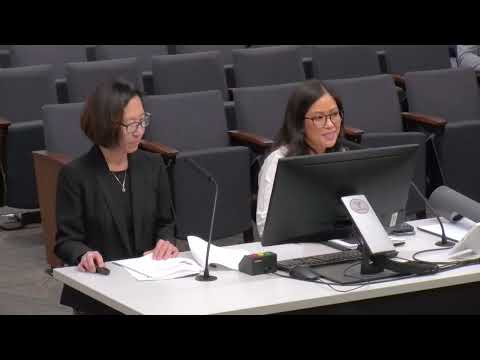
Alex Jovanovich, deputy community services director for park services, and Alex Cortese, community services manager for parks maintenance, presented the Hayden Butte and Papago Preserves management plan to the Tempe City Council on April 24 and described the plan as "a structured approach to preserve the environmental integrity, historical significance, and recreational value" of the preserves.
The plan was developed by consultant Logan Simpson (contracted in fall 2023) and incorporates community engagement: staff reported roughly 200 participants across four workshops and about 600 survey responses. The consultants performed a class 3 cultural resources survey of Papago Preserve and a traditional cultural place study that identified sites of cultural and spiritual significance to living tribal communities; City Historic Preservation Officer Zach Lechner assisted with consultations.
Key recommendations include forming a memorandum of understanding (MOU) with the Salt River Pima Maricopa Indian Community to guide culturally sensitive stewardship; developing a formal trails assessment and trails plan; restoring native vegetation and eradicating invasive species (including stinknet); improving signage and designated access points; piloting a volunteer park steward program; and identifying alternative locations for bicycle jump areas currently built by community members inside preserves.
Cortese explained that some informal features, such as bike jumps, developed before the preserves were formally designated and now present both ecological and enforcement challenges. He said the staff recommendation is to "work with the stakeholders... to try to identify an alternative location somewhere outside of sensitive areas" and, where appropriate, restore the disturbed areas to native habitat.
Staff described an implementation timeline with short-term actions (first three years) focused on initial restoration, a trail assessment and the MOU; medium-term work (four to six years) centered on trail improvements and formal education programs; and long-term adaptive management tied to measurable success criteria. The plan lists 14 objectives with success metrics and notes approximately 45 specific recommendations; staff identified 10 objectives as high priority for initial focus.
Public comment and council discussion emphasized education and outreach. Kim Gaffney Loza, a Tempe resident who spoke earlier during the call to the audience, had urged attention to staffing for preserve rangers and volunteers; the presentation and subsequent council exchange acknowledged ranger presence has improved some conditions. Councilmember Chin encouraged collaboration with Tempe Tourism and local schools and universities to broaden education and outreach; Vice Mayor Garland and other councilmembers supported the volunteer steward approach and highlighted the importance of tribal consultations.
Staff said they would pilot a park steward program in late spring or early summer and continue community engagement with recreational user groups before implementing actions that affect user amenities. No formal council vote was taken; staff requested direction and support for prioritizing high-priority objectives and continuing community and tribal engagement.