Get Full Government Meeting Transcripts, Videos, & Alerts Forever!
Get email alerts on the County Veterans Service Fund topic
No spam. Unsubscribe anytime.
Michigan counties report service disruptions after recalculation of County Veterans Service Fund
Summary
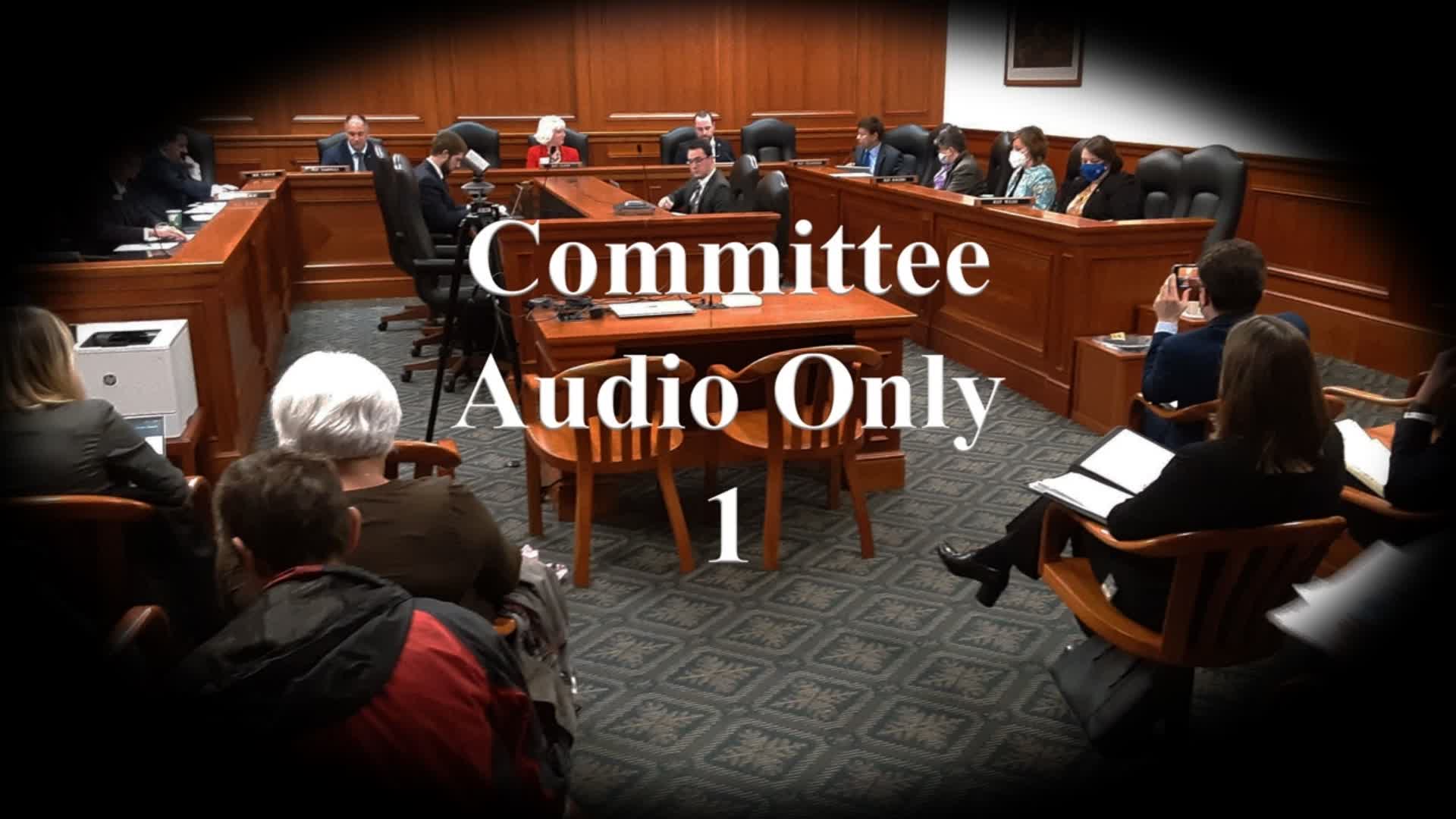
Members of the Michigan House Appropriations Subcommittee on Military and Veterans Affairs and State Police heard testimony March 20 from county veteran service officers who said a mid‑cycle recalculation of the County Veterans Service Fund cut grant awards this year and harmed local services.
Members of the Michigan House Appropriations Subcommittee on Military and Veterans Affairs and State Police heard testimony March 20 from county veteran service officers who said a mid‑cycle recalculation of the County Veterans Service Fund cut grant awards this year and harmed local services.
County leaders told the panel the grants pay frontline staff, transportation to VA medical care and local outreach programs that help veterans apply for federal benefits. Testimony described reduced positions in county offices, canceled outreach events and the elimination of some emergency relief funds.
The Michigan Veterans Affairs Agency, which administers the County Veterans Service Fund, said the agency discovered calculation and administration problems this year, called the incident an “anomaly” and said it has implemented fixes.
“We began looking at efficiencies in areas in need of improvement going all the way back to the summer of 2024,” said Todd Butler, deputy director, Michigan Veterans Affairs Agency. Butler told the committee the agency evaluated use of grant dollars and limited initiatives to those that produced measurable connections to federal benefits. He also said the agency has “implemented the necessary changes, ensuring this never happens again.”
Amy Pocan, legislative officer for the Michigan Association of County Veteran Counselors and director for Ingham and Clinton counties’ veteran services, urged an audit and full restoration of FY25 funding. “We support an attorney general’s audit of the County Veterans Service Fund as well as an investigation into the removal of the county training reimbursement fund,” Pocan told the subcommittee. She also asked that the department honor original grant terms and approve a supplemental budget to fully fund FY25 awards.
Several county directors gave specific examples of veterans helped by services financed by the grant. Maureen Adams, director of Berrien County Veterans Service Office, said grant funds helped a veteran’s spouse receive dependency indemnity compensation and CHAMPVA health insurance after the office connected the family to benefits. “Keeping our doors open … was life changing,” Adams said, describing a case in which local assistance led to a six‑figure retroactive payment for a 101‑year‑old veteran whose claim had been closed in error.
Other county officials described staff reductions and loss of programs. Berrien County reported a 41.8 percent reduction, about $55,000, tied to the recalculation. Ramon Baca, Livingston County director, said his office’s grant was cut by 43 percent but that his county has a millage that currently covers the loss; many counties do not.
Several Upper Peninsula directors warned of larger geographic challenges. Denise Formolo of Dickinson County said the U.P. covers 10.5 million acres with 15 counties and only about 21 certified county veteran service officers; many veterans must travel one to four hours for VA hospital care. “If the grants are cut any more than they’ve already been cut, we’re going to start looking at our outreach programs being really reduced,” Formolo said.
County witnesses also criticized a recent change to reporting requirements. Officials said the agency is moving from quarterly to monthly financial reporting, which they called burdensome for one‑person or small offices. “For me to sit there and spend three hours once a month getting all the paperwork for MVAA, and then three months down the road for the quarterly report, redoing another whole set…doesn’t make sense to us,” said Denise Formolo.
Agency witnesses said the monthly finance reports are intended to spread the workload and reduce end‑of‑cycle bottlenecks that fall on one grants staffer. “We are moving to a monthly financial reporting. Not all the reports are due monthly. There’s a performance report and a finance report that comes from the counties,” Butler said, adding the agency has reorganized grant staff and added planned full‑time equivalents to the grants section.
Several county witnesses asked that the agency restore a separate $50,000 training reimbursement line that historically covered county staff continuing‑education and accreditation. Witnesses said MVAA conference content does not meet VA accreditation requirements and that removing training funding forces counties to spend grant dollars intended for direct services.
Representative Rogers told the committee she is pursuing avenues to make counties whole while deliberations continue. The subcommittee approved the minutes from its March 20 meeting without objection before adjourning.
The agency described the recalculation as a single‑year error linked to staffing and accounting changes and said it is working with county leaders to finalize FY25 amendments and honor eligible expenses that exceeded recalculated amounts. Counties asked lawmakers to consider a supplemental appropriation or statutory language to protect existing grant terms and ease reporting burdens.