
Berrien County oversight panel reviews opioid-settlement grants; Restoration House and jail MAT report progress
Get AI-powered insights, summaries, and transcripts
Subscribe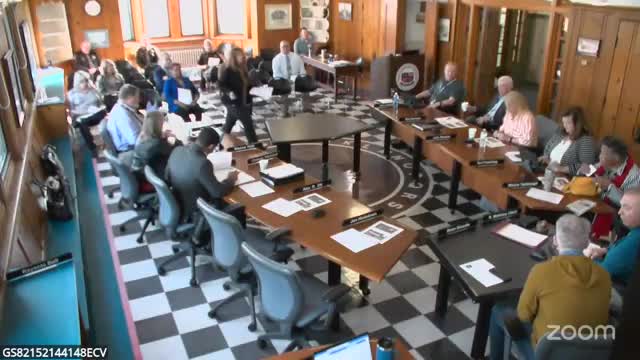
Summary
Berrien County officials and grantees reported early progress on programs funded by the county's opioid settlement dollars, including the Restoration House men's home and a jail-based Medication-Assisted Treatment program; the county's opioid oversight process recommended continued funding and described next steps for discharge planning and data.
Berrien County officials heard progress reports Tuesday on programs paid for with county opioid settlement funds, including a men's recovery home funded through a county grant and a jail-based Medication-Assisted Treatment program that county leaders said has reached initial operational goals.
Peter Sando, executive director of the Restoration House, told the Board of Commissioners the men's home has moved quickly since opening and described partnerships that connect residents to treatment, work training and health care. "This has been a deep passion of mine for years now to start a men's home, and it's deeply needed," Sando said.
The county's Opioid Oversight Committee, formed by county resolutions in November 2023 to evaluate programs funded through the settlement, reviewed quarterly reports and scoring rubrics for awardees and recommended continued funding for the current grantees, county staff said. A county staff representative said the committee's review focused on program performance, financial status and alignment with each program's scope of work.
Why this matters: the county's settlement funds are planned to be spent over a multi-year period and are intended to support community-based treatment and reentry services. County staff and oversight members described the work as an early stage of a long-term spending plan and emphasized the need for sustainable revenue beyond one-time settlement dollars.
Details from the Restoration House presentation: Sando said the program has received more than 25 applications and is currently operating at capacity with six residents. Since opening, the house has admitted and administered over 50 drug and alcohol tests, with one positive test reported at intake, he said. Residents have logged more than 504 combined hours of group therapy and more than 104 hours of community service, and four men have completed an intensive outpatient therapy track that runs multiple times per week for several months. Sando said the program is pursuing accreditation from the Commission on Accreditation of Rehabilitation Facilities to allow billing insurance and to strengthen policies and procedures.
Sheriff's office presentation: The sheriff and an under-sheriff briefed the board on the jail's Medication-Assisted Treatment (MAT) program, describing it as a year-old pilot that provides medications (including Suboxone and methadone), counseling and discharge planning for incarcerated people with opioid use disorder. "The MAT program is definitely a success," the sheriff said, while noting improvements are still needed in discharge planning and data sharing with community partners.
Officials said the program began a transition to a new medical provider on Jan. 1 and that clinical staff now perform assessments, med administration and coordination with outside addiction specialists. County staff described a challenge common to correctional settings: preventing diversion of medication given in custody. The sheriff's office said long-term goals include expanding options such as extended-release injectable medications (referred to in the discussion as SUBLOCADE) but noted those options are expensive and that Medicaid coverage after incarceration is not guaranteed.
Oversight, funding and next steps: County staff said the oversight committee has provided grantees with completed scoring rubrics and recommendations to improve reporting and program outcomes. The county representative noted that while opioid settlement funds are a significant resource (a county speaker estimated an amount in the range of "about $8.5 to $9 million," phrased as approximate), the funds will be spent over many years and require strategic, sustainable planning. Staff said they are exploring partnerships to improve discharge planning and data collection, including work with local providers to track outcomes after release from custody.
No new appropriations or contract awards were approved during the presentations. The board acknowledged the presentations and said it will continue to review program reports and oversight recommendations at upcoming meetings.