Central Texas Food Bank launches Bell County needs assessment, finds 1 in 5 food insecure
Loading...
Summary
Central Texas Food Bank briefed commissioners on an early-stage multi‑county food‑system needs assessment for Bell and Coryell counties, flagging a roughly 20% food‑insecurity rate in Bell County and gaps in fresh‑produce production and charitable service hours.
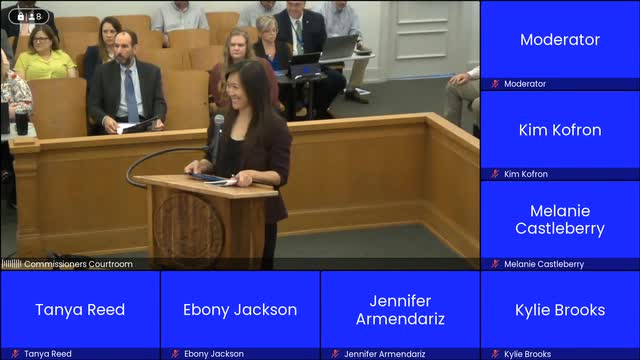
Central Texas Food Bank representatives on Monday described the early results of a Bell County needs assessment they are conducting with local partners, reporting that roughly one in five Bell County residents are food insecure and that charitable food providers face gaps in access to fresh produce and service hours.
Tracy Earhart, vice president of research and strategic partnerships for Central Texas Food Bank, told the commissioners the food bank serves the region from a main warehouse and a new Waco facility and that in the bank’s 21‑county service area it moves large volumes of food (the presentation cited 74,000,000 pounds sourced last year) and serves tens of thousands weekly. “We serve about 93,000 people every single week,” Earhart said.
Initial scan findings presented to the court include: - A 20% food‑insecurity rate in Bell County, which the presenters estimated equates to roughly 76,000 people. - SNAP enrollment and disability rates higher than the Central Texas average in parts of Bell County. - Agricultural land in Bell County is heavily weighted toward livestock; only about 0.3% of agricultural land is used for fruits and vegetables, and the county has few produce processors. - A robust charitable network exists (the food bank identified 42 partner providers in Bell County) but access gaps remain: service hours are limited after 5 p.m. and on weekends, and west Bell County has sparser service than the east.
Earhart said the needs assessment emphasizes community voice as well as quantitative data. The process includes neighbor surveys, interviews and focus groups; the bank and partners expect to bring findings back to the community in late September or early October and publish a formal report by the end of the year.
Beth Corbett, the food bank’s vice president of government affairs and advocacy, outlined the federal policy context and how changes to federal commodity and SNAP programs affect local charitable networks. Corbett said federal commodity purchases and SNAP rules had recently changed and that shifts in federal support typically increase demand on local pantries when benefits fall.
Why it matters: The assessment is intended to inform local and regional decisions about food distributions, local processing and retail capacity, and investments that could reduce downstream reliance on charitable food assistance. Presenters emphasized partnerships with Fort Cavazos and local agencies; commissioners were invited to join stakeholder interviews and to suggest local questions for the research team.
Timeline and next steps: The food bank said the data‑collection and analysis phase is underway and the team will convene stakeholders to review findings in fall 2025, with a formal report by the end of 2025. Presenters asked for county engagement and flagged opportunities to use the assessment to guide investments in the local food economy.