
Planning board debate on Zoom rules; motion to bar remote participation except for emergencies tabled
Get AI-powered insights, summaries, and transcripts
Subscribe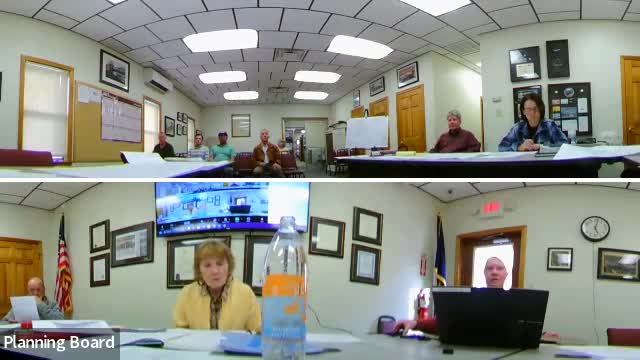
Summary
Members discussed whether to restrict or eliminate public and member Zoom participation, noting gaps in the board's rules of procedure; a motion to prohibit electronic participation except in documented emergencies was seconded but deferred for consideration at the next meeting cycle.
The Woodstock Planning Board on Thursday opened a multi-part discussion about whether to continue hybrid meetings and how to update its rules for electronic participation, including whether members of the public or board should be allowed to use Zoom without identifying themselves.
Board members focused on an ambiguity in the board's rules of procedure about electronic participation that dates to emergency meeting practices used during the COVID-19 pandemic. "Zoom was established in the Zoom part of the meetings during an emergency. Mhmm. That was COVID," said a board member during the discussion. Several members said the rules currently reference remote participation only for planning board members and only when an emergency has been declared; the reason for the remote appearance must be recorded in the minutes.
Leigh moved that the board adopt a rule to "not allow Zoom" or other electronic participation by anyone except in an emergency, and said that any emergency participation should be recorded in the minutes. Igor seconded the motion. The board did not vote on the motion at this meeting and agreed to announce the proposed change and revisit it according to the board's rules of procedure (a multi-meeting adoption process). "If we're going to make any changes to our procedures, we have to announce it twice," a board member said.
Members expressed both procedural and access concerns. Supporters of restricting Zoom raised privacy and safety scenarios in which anonymous remote participants could create risks for people with protective orders; one board member said, "what if somebody who is a victim of domestic violence... moves here anonymously... and somebody sees them here on Zoom. That's a problem." Other board members and participants argued Zoom allows housebound or geographically distant residents to participate: "it allows people to participate as a town member without having to be present to a room," a board member said.
The broader discussion also covered related items the board may address when it revises the rules, including whether to continue recording meetings, how long recordings should be kept, and the board's public-notice practices. On recording, one member said recordings are sometimes kept only to produce minutes and then destroyed; another asked whether audio-only recordings should remain an option.
The board agreed to keep current practice in place for now and to take up the proposed change at the next scheduled meeting cycle, allowing members to draft specific language and to seek the town attorney's advice on legal and procedural implications.