Get Full Government Meeting Transcripts, Videos, & Alerts Forever!
Get email alerts on the Youth Programs topic
No spam. Unsubscribe anytime.
Residents, youth providers and educators urge protections for summer programs as debate grows over police spending
Summary
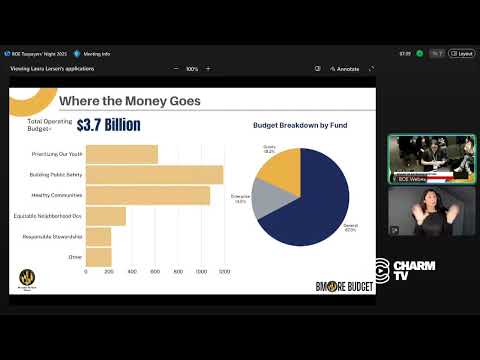
Speakers at Taxpayer Night warned of a projected 12,000 shortfall in summer youth opportunities and urged stable funding. Several speakers criticized a proposed $21 million increase to the police budget and urged stronger investments in children and recreation.
Parents, youth-program providers, teachers and community leaders told the Baltimore Board of Estimates that the preliminary FY26 budget risks deepening a shortfall in summer and after-school programming and called for a durable funding plan.
Ellie Mitchell, director of the Maryland Out of School Time Network, said the city faces a gap that could mean 12,000 fewer summer program opportunities and urged the Board and funders to craft a “clear and shared plan” so after-school and summer programs are not subject to year-to-year uncertainty.
Debbie DiNino, chief program officer at Let’s Go, said her organization served hundreds of youth in partnership with summer providers and urged continued city support, saying programs produce measurable gains in STEM, social-emotional learning and student readiness.
Nate Golden, a math teacher at Forest Park High School and a leader of the Baby Fund campaign, criticized what he called “an excessive” increase to police funding in the proposal. Golden and other speakers cited a $21 million proposed increase to the Baltimore Police Department budget and noted that city police spending would amount to about $1,134 per resident under the proposal — figures raised in public testimony — and contrasted that with national averages.
Nick Lull, a data analyst and resident, flagged a large decrease in the maternal and child health line item (from about $37.96 million in FY25 to about $22.79 million in FY26 in the preliminary numbers cited by speakers) and said the change needed explanation. Mayor Brandon Scott clarified from the dais that some reductions seen in line-item comparisons reflect cuts that originated at the state or other outside sources and are not always reductions in city-controlled funding.
Mayor Scott also defended the administration’s investments in recreation and parks and the school system, saying the proposed Rec and Parks contribution for FY26 is up about 40% from fiscal 2021 levels and that the city’s contribution to Baltimore City Schools has risen significantly in recent years.
Providers, organizers and advocates urged the Board to use the remainder of the budget process to leverage corporate and philanthropic partners and to adopt a sustainable funding model for youth programs so summer slots do not fluctuate each year.