Get Full Government Meeting Transcripts, Videos, & Alerts Forever!
Get email alerts on the Utilities topic
No spam. Unsubscribe anytime.
North Ogden staff: utility bills likely to rise about $4.50 per month; sewer and trash drive most of increase
Summary
City staff told the Citizen Budget Committee that preliminary utility-rate modeling shows about a $4.50 monthly increase per account, driven mainly by sewer pass-throughs and solid-waste contract caps; council will review detailed line‑item numbers in two weeks.
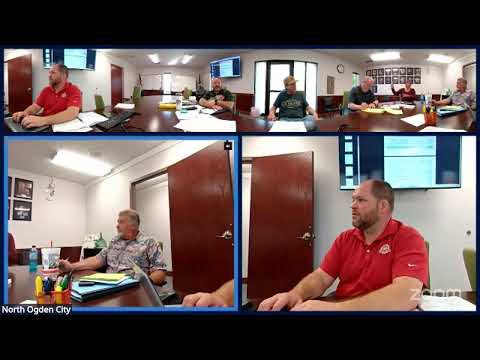
City staff told the North Ogden City Citizen Budget Committee that the city expects an initial utility-bill increase of roughly $4.50 per month for a typical account, with most of that coming from higher sewer charges and a capped solid‑waste contract increase.
John, a staff presenter, said the bulk of the change is a pass-through from outside providers: “Weber Basin or, Weber Sewer District is saying, hey. We are increasing our fees to the cities, and so we have to pay for it.” He gave a breakdown to the committee: roughly $2.30 of the monthly increase is tied to sewer charges, about $1 comes from storm and water internal costs, and part of the remainder reflects a 4% contractual increase for Republic Services that is the contract cap on CPI adjustments.
The committee discussed how the city budgets utility-rate changes. John explained that utilities are separated into base fees (which cover infrastructure such as pipes and long‑term meter replacement) and usage fees (which track consumption): “base fee covers the pipes in the ground, and then what we call the usage fee, which is typically based on how much you're using it.” He noted that stormwater is billed differently because there is no direct usage meter for stormwater.
Committee members asked for visibility into line‑by‑line effects on residential bills. Staff said they will provide a detailed per‑utility breakdown to the committee and to council before the council's fee-schedule discussion: “we will send this group and the council a breakdown of based on where it's at today, here's the numbers per utility.” The committee also discussed the distinction between expenses that should be funded by base fees (capital, pipes, meter depreciation) and those that should be covered by usage fees (pumping, PRV work), with members urging staff to clarify that philosophy before final adoption.
Staff called out a few clarifying program details: the city has about 7,200 utility accounts; a multi‑million dollar water tank (listed by staff at roughly $3,000,000) had previously raised depreciation and contributed to last year’s water-rate increase; the city plans a multi‑year meter‑replacement program because many meters are near a 15‑year useful life. John said staff will get more precise numbers to council and the committee in the next work session.
Ending: The committee did not take formal action. Staff will return with a fee-detail packet and recommended language for the council work session in two weeks, and the committee asked staff to clarify the base-versus-usage philosophy used to set the proposed increases.