Get Full Government Meeting Transcripts, Videos, & Alerts Forever!
Get email alerts on the Elections topic
No spam. Unsubscribe anytime.
Senate narrows ballot-retraction definition to accommodate vendor; passes bill 40-10
Summary
The Senate approved a change to state law governing retraction of early in-person absentee ballots, voting 40-10 to adopt the conference committee report on Senate Bill 526.
The Indiana Senate concurred with changes to Senate Bill 526 on Thursday, approving language that clarifies how counties may retract early in-person absentee ballots in limited circumstances such as voter death or felony conviction.
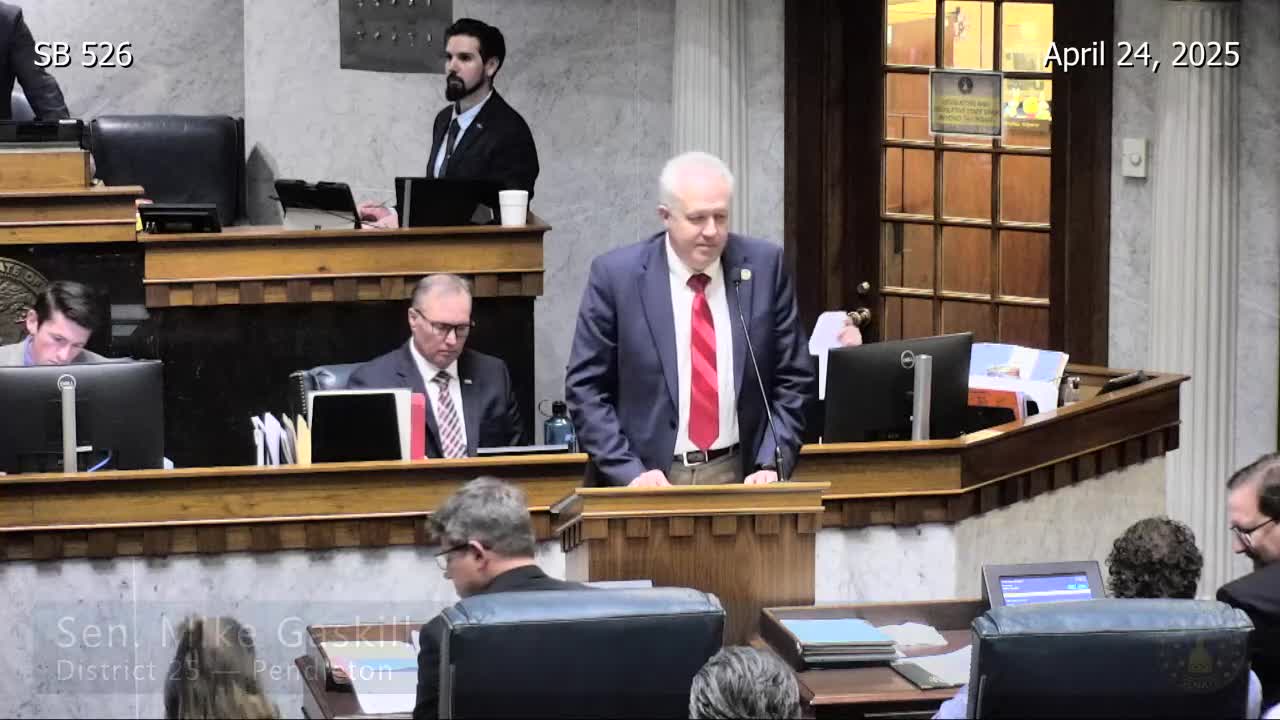
Senator Gaskell, presenting the committee report, said the bill standardizes a process for retracting an early in-person absentee ballot stored in an electronic system used by some counties. "In order for them to be able to retract an early in-person absentee vote," she said, "they have to assign some type of number to where the system can go in." The language in the bill lists certain data types that cannot be used as the unique identifier for an absentee electronic envelope; the conference report removes one item from that prohibited list so a widely used vendor would not need system reprogramming.
Senator Ford questioned the amendment, saying the voter-identification number had been protected precisely to prevent a ballot's identifier being tied back to an individual voter. "I am concerned that we are deleting the voter identification number," Ford said. Opponents argued the change sacrifices a privacy protection to accommodate vendor practices; sponsors said the security safeguard is the requirement that any retraction must happen before tabulation begins.
Supporters also noted the bill extends an existing grandfathering provision so counties operating older equipment will not be forced to make immediate, costly replacements.
After floor questions and debate, the motion to concur was adopted on a roll call vote: 40 ayes, 10 noes. The conference report will be transmitted to the House for action; the bill includes implementation details for election administrators.
The debate focused on balancing ballot privacy and administrative practicality for counties that use direct-recording electronic systems versus those that use paper ballots for early votes.