Get Full Government Meeting Transcripts, Videos, & Alerts Forever!
Get email alerts on the Police Video Fee topic
No spam. Unsubscribe anytime.
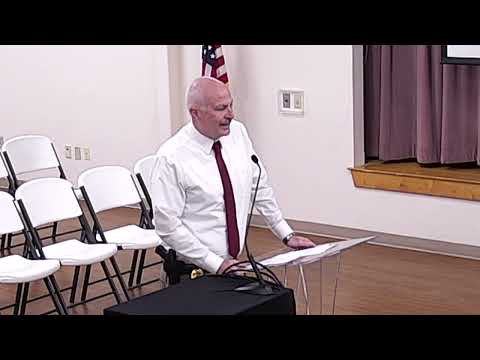
Commission backs draft policy to charge up to $75 an hour for police video requests, seeks council resolution
Summary
The commission voted to support a police department policy to assess up to $75 per hour to prepare body‑worn and cruiser video for release and asked staff to forward a resolution to city council for formal approval.
The Moraine Records Commission voted to support a draft policy from the Police Department to charge up to $75 per hour to prepare and redact body‑worn and cruiser camera video for public release and approved sending a resolution to the city council for formal authorization.
Police staff explained the change follows a new state law that allows municipalities to charge up to $75 an hour for processing requests for police video. The department’s draft policy would estimate the processing cost for a requester before completing redaction and release so the requester can decide whether to proceed.
The department described the workload involved: two staff members typically handle video requests and reviewers must watch footage in real time and then re‑review to ensure redactions were applied correctly. "So a 15 minute video is at least 30, if not longer, period of time for them to actually do this," a police representative said, describing why the fee offsets staff time.
Martinez, the law director, recommended that the records commission vote to support the policy so staff could draft a resolution to present to council. "Since it's dealing with charging the public, I thought that would be a better protection for the city in case anybody were ever to challenge the policy, we at least have council authorization on record via resolution," Martinez said.
The commission approved a motion to support the policy and forward a resolution to council. The commission clarified that payment handling would follow the city's usual process for fee‑based public‑records requests: the requester pays, staff forwards payments to finance, and finance processes receipts.
No changes to the fee amount or processing method were made at the meeting; the vote supported moving the policy forward to council for adoption by resolution.