Get Full Government Meeting Transcripts, Videos, & Alerts Forever!
Get email alerts on the Budget topic
No spam. Unsubscribe anytime.
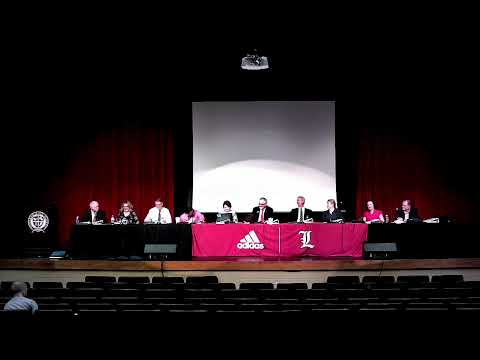
Spartanburg District 1 projects roughly $1.2 million shortfall as state funding formula and new mandates squeeze budget
Summary
Finance director Lacey Brady told the school board the proposed FY2025–26 budget shows about a $1.2 million gap driven largely by state funding allocation problems, mandated teacher-pay increases and potential new employer costs for insurance and paid parental leave.
Spartanburg County School District 1 finance director Lacey Brady said the district’s proposed budget for fiscal 2025–26 projects roughly $1.2 million in expenditures above projected revenues, and she warned additional state mandates could widen the gap.
Brady told the board the budget assumptions reflect the House Ways and Means proposal that added $112 million statewide to help fund a $1,500 teacher pay increase but — as presented to the district — most of that new money was routed to charter schools rather than traditional public districts. "As of now, we're only getting 19% of that statewide," Dr. Smith told the board during the discussion, repeating figures he said SCASA and other superintendents were seeing.
Why it matters: the district's revenue projection for FY2025–26 is just under $66 million while proposed expenditures top $67 million. Brady said the $1,500 teacher increase with benefits will cost the district a little over $800,000; a mandated step increase for teachers adds roughly $500,000; and step/other increases for other staff add roughly $225,000. Taken together with other cost pressures, those line items account for the bulk of the new spending.
Brady also flagged an 11.5% health‑insurance premium increase effective Jan. 1, 2025, that the district must recognize now — she estimated the district's share of that earlier increase at about $350,000. The Senate budget, she said, would restore a 4.6% employer increase for insurance beginning Jan. 1, 2026, an item the district is tracking as negotiations continue.
The board also discussed a recently surfaced House bill that would expand paid parental leave for eligible state employees from six to 12 weeks (and expand leave for non‑birthing parents). Brady said the district has no additional dedicated state funding for the change and presented cost scenarios: a 12‑week substitute cost could be roughly $10,000 at the low end but approach $33,000 for a certified substitute whose pay is set by the teacher salary schedule. "If you take those amounts and scale them to the employees we've had on maternity leave this year — about 18 or 19 — that equates to a range of roughly $194,000 to more than $600,000," Brady said.
District staff reported other revenue and cost items: modest local revenue growth (about $1.8 million), some one‑time reimbursements for storm‑related capital expenses, transportation staffing increases, software subscriptions and reduced federal/state dollars for certain grants (including Title I). Brady said the district has pursued every available weighted student allocation and enlisted staff — including Josh Loso — to comb department data for additional weightings.
Dr. Smith described active state‑level efforts to correct the allocation problem, saying he and SCASA leadership have been in contact with the governor’s office, the education superintendent, and members of the House and Senate finance committees. "There's momentum to correct it," he said, but he added any fix this year would likely be a short‑term "band‑aid" followed by a permanent correction in a future budget.
What comes next: the presentation was delivered as a first reading of the FY2025–26 budget. Brady said she will return with updates at the second reading, and she warned that the district may need to adjust before final adoption depending on the state’s final allocations and any changes to employer‑paid insurance or leave mandates.
Board members asked for and received detailed breakout slides and supporting schedules. Assistant superintendent for operations Jason McCraw and other staff flagged capital and staffing pressures that could affect operating needs, and trustees said they would monitor the state process and consider contacting local legislators about the allocations.