Get Full Government Meeting Transcripts, Videos, & Alerts Forever!
Get email alerts on the Child Protective Orders topic
No spam. Unsubscribe anytime.
Bill would define ‘immediate danger’ for child-protective temporary orders, sponsors say
Summary
Representative Kim Wallen and the Oregon Law Center told the Senate Judiciary Committee April 24 that House Bill 2,613 A would give courts clearer criteria for issuing temporary protective orders for children by adopting standards similar to the Family Abuse Prevention Act.
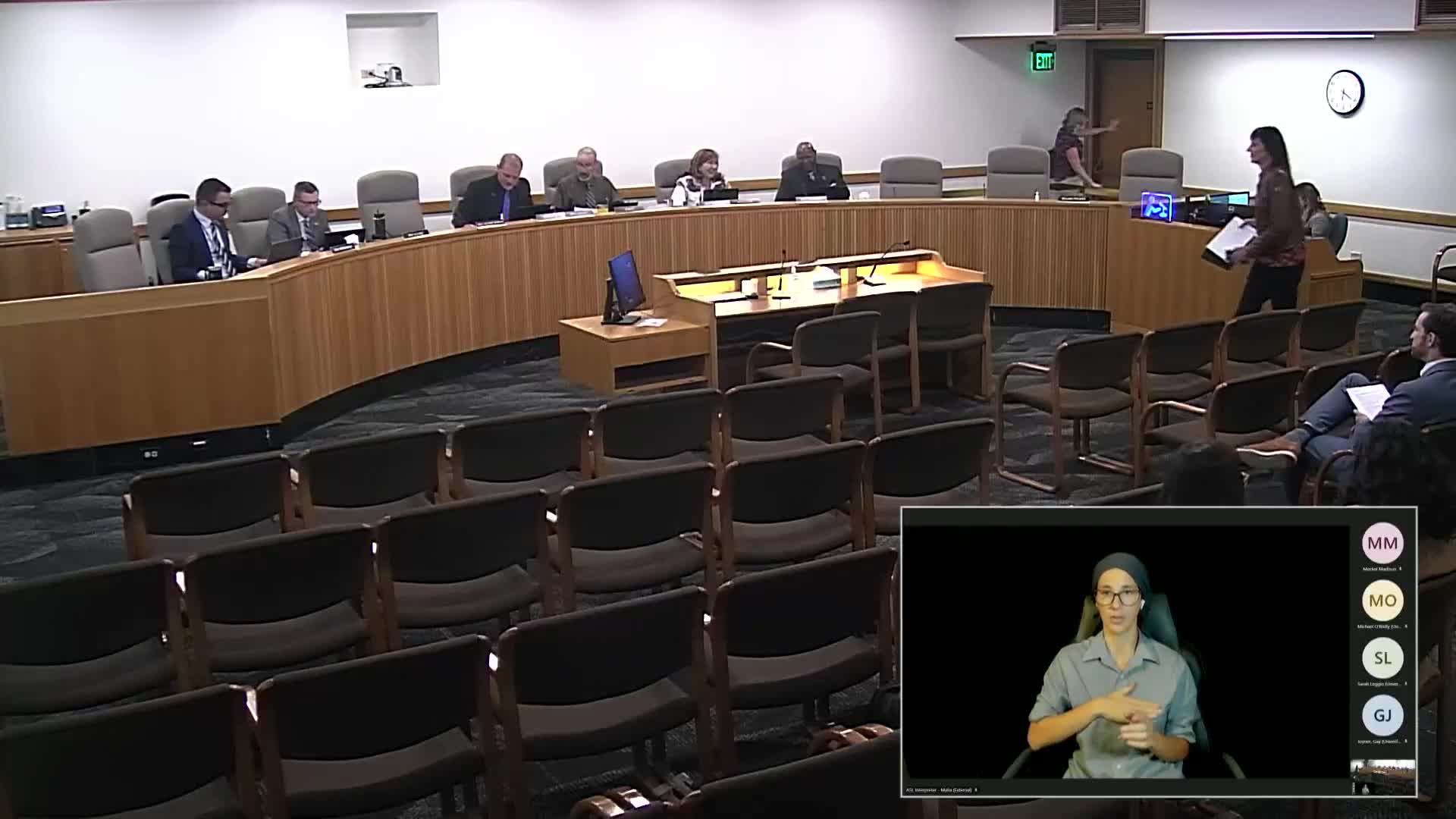
The Senate Judiciary Committee heard testimony April 24 on House Bill 2,613 A, a measure that codifies criteria a court must use when deciding whether a child is in “immediate danger” and whether a temporary protective order is warranted.
Sponsor Representative Kim Wallen said the bill borrows the Family Abuse Prevention Act (FAPA) standard so courts have a clearer, consistent framework when children — rather than the adult parties — face present risk. The committee overview said the bill directs courts to consider whether the child faces present risk of physical harm, severe psychological damage, sexual abuse, severe neglect or similar harms and prohibits finding immediate danger solely on the basis of a parent’s homelessness, illness, poverty or similar circumstances.
Why it matters: Attorneys and advocates said the current statute uses the phrase “immediate danger” without guidance, producing uneven application across counties. Supporters said the bill aims to protect children by giving courts familiar criteria used under FAPA without changing the scope of available relief.
Testimony
Wallen said she learned of the problem through conversations with a family-law attorney and worked with Sybil Hebb of the Oregon Law Center to adapt the FAPA standard for the temporary protective order statute. “It seemed right to protect the children in either case … to have the same standard,” Wallen told the committee.
Sybil Hebb said her organization sees many family‑law cases where people seek temporary protective orders to protect children but find inconsistent guidance across courts. Hebb said the bill would provide clarity and noted that rapid hearing rights and existing relief procedures are unchanged; the bill only clarifies the immediate‑danger standard.
Other details and record
Committee staff summarized the measure as setting criteria and preserving rapid‑hearing obligations. The bill passed the House unanimously on the floor (56–0), according to the committee overview provided at the hearing.
Ending
Supporters asked the committee to approve the clarification to make outcomes more predictable for litigants and counsel; no formal action was taken at the hearing.