Get Full Government Meeting Transcripts, Videos, & Alerts Forever!
Get email alerts on the Health Care Workforce Anesthesia topic
No spam. Unsubscribe anytime.
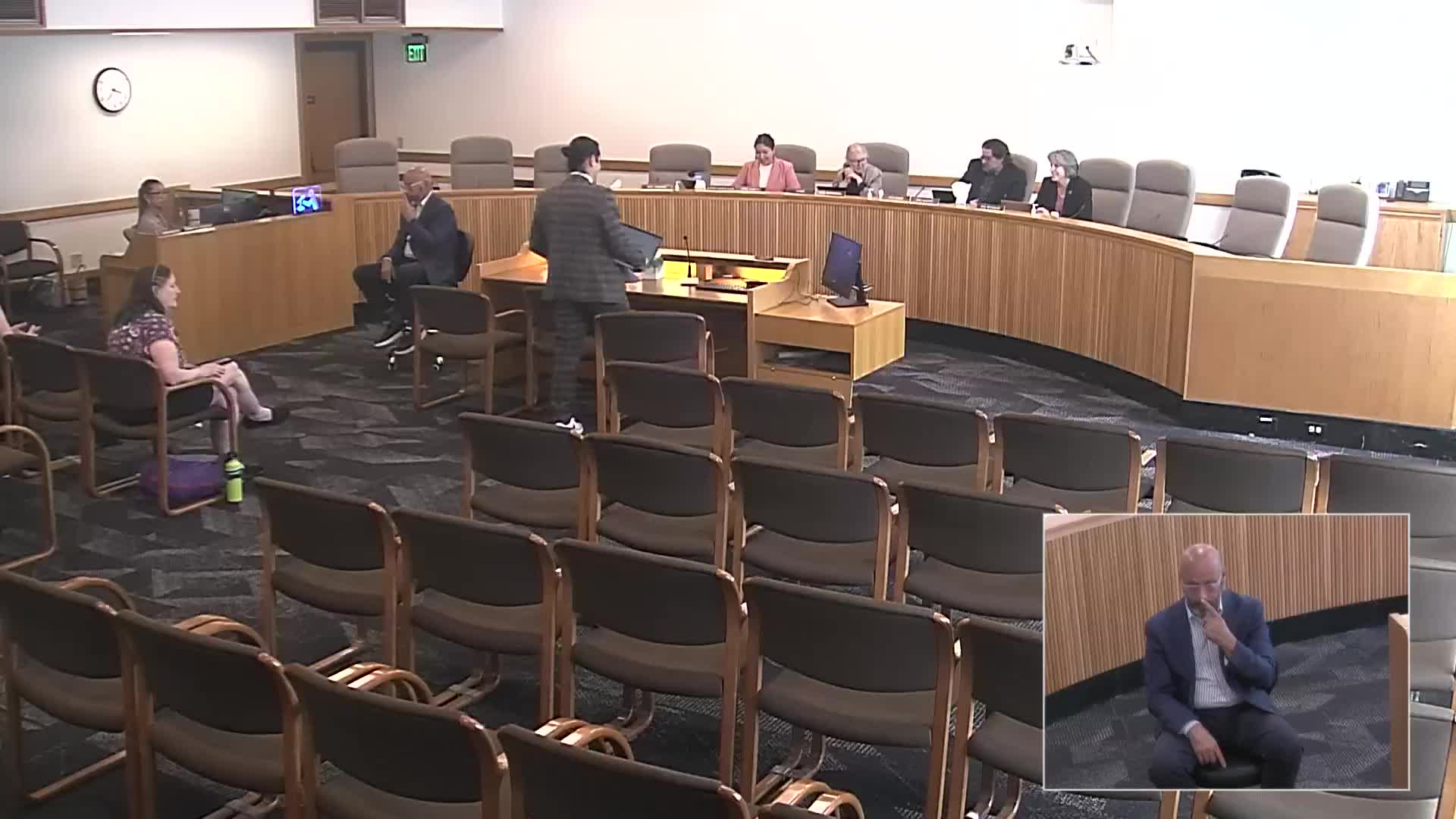
Committee hears bill to let OHA consider adding anesthesiologists and CRNAs to incentive program for rural retention
Summary
House Bill 2591 A would direct the Oregon Health Authority to consider adding anesthesiologists and certified registered nurse anesthetists to the state's health care provider incentive program to improve rural access. Testimony described workforce shortages, large student debt among trainees, and rural recruitment challenges.
House Bill 2591 A would direct the Oregon Health Authority to adopt rules to add physician anesthesiologists and certified registered nurse anesthetists (CRNAs), including trainees, to the state health care provider incentive program that offers loan repayment, scholarships and other supports for providers who commit to serving high‑need or rural areas.
Representative Hai Pham, the bill sponsor, and anesthesia stakeholders told the Senate Committee on Health Care that Oregon faces a severe anesthesia workforce shortage. Hunter Aldridge, president of the Oregon Society of Anesthesiologists and a practicing anesthesiologist, testified that recent surveys show many anesthesia providers intend to leave the state and that job postings currently far outnumber available providers. He said recent counts show roughly 50 open job postings for physician anesthesiologists and about 38 for nurse anesthetists. Jared Fairchild, government relations chair for the Oregon Association of Nurse Anesthetists, said graduates frequently carry six‑figure student debt and that a CRNA starting salary in Oregon is commonly in the roughly $250,000 range; physician job offers referenced during the hearing were described in the $400,000–$500,000 range.
Rural clinicians described how anesthesia shortages delay or reduce surgical capacity: Kelly Coelho of Day Surgery at Riverbend said her center lost coverage for one of three operating rooms and required five months to recruit replacement staff. Kia Gilbert, a CRNA at Providence Hood River Memorial Hospital, said rural tax credits and tuition‑repayment incentives were central to recruiting and retaining staff; she noted she remained in a rural position after completing a multi‑year loan‑forgiveness obligation.
Witnesses and sponsors said HB 2591 A is intended to allow OHA to evaluate inclusion of anesthesiology providers in incentive programs rather than immediately mandating benefits; some committee members raised questions about offering loan forgiveness to high‑income specialties. Testimony described a sunset of an existing rural provider tax credit in 2027 and highlighted new educational capacity coming online (George Fox University) that may help expand the pipeline. The committee closed the public hearing; no formal vote was recorded during the session.