Get Full Government Meeting Transcripts, Videos, & Alerts Forever!
Get email alerts on the Home Solicitation topic
No spam. Unsubscribe anytime.
Committee considers HB 3605 A to make home‑solicitation violations enforceable under state consumer-protection law
Summary
A bipartisan-supported bill would codify that violations of Oregon’s Home Solicitation Sales Act are unlawful trade practices, clarifying consumer and attorney‑general enforcement options, witnesses told the Senate Judiciary Committee April 24.
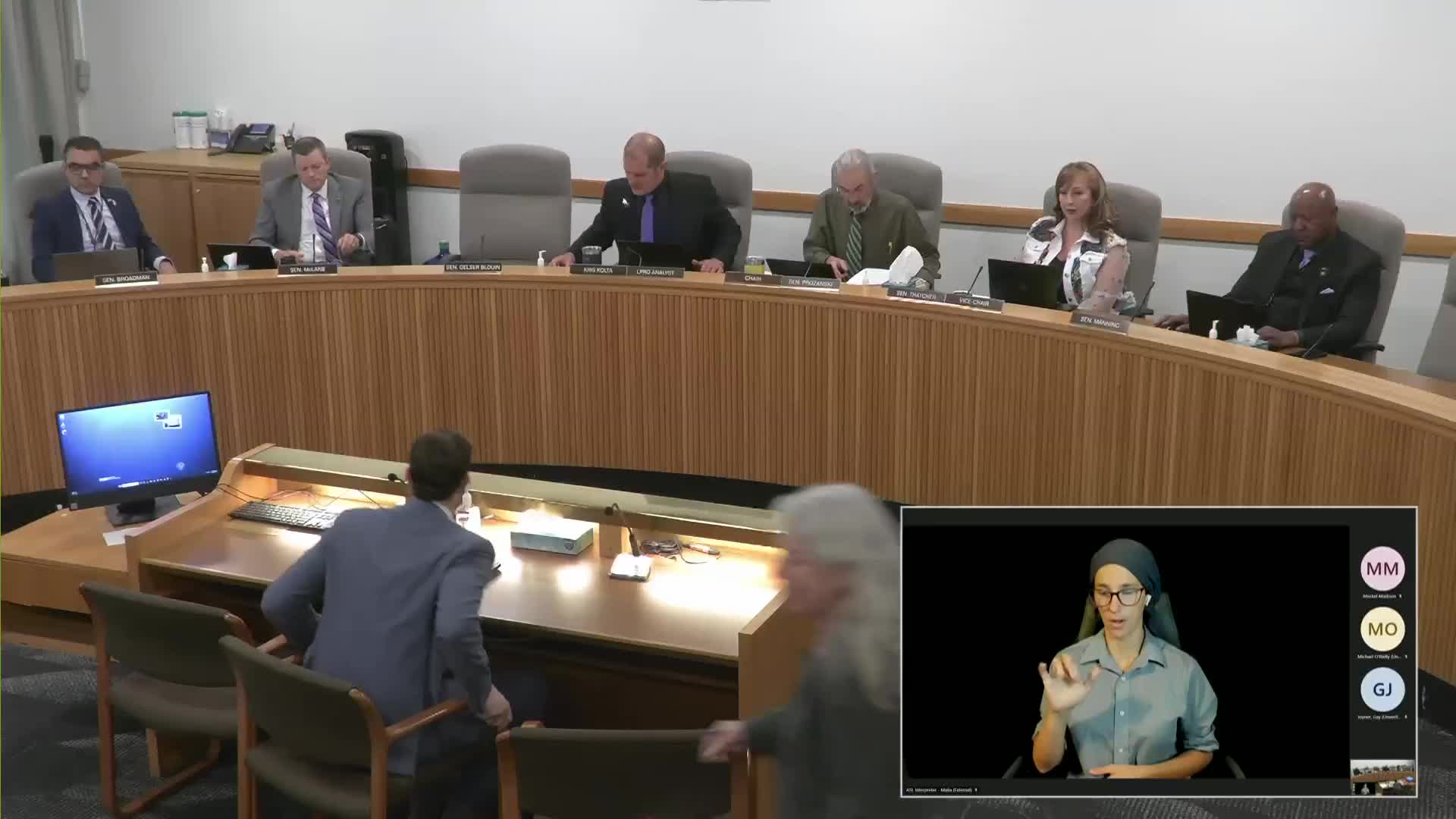
The Senate Judiciary Committee took testimony April 24 on House Bill 3,605 A, which would establish that violations of the Oregon Home Solicitation Sales Act constitute unlawful practices under the Unlawful Trade Practices Act (UTPA), making those violations enforceable by the attorney general and by private plaintiffs.
Why it matters: Supporters said the bill does not change what is illegal but clarifies enforcement remedies that already existed in case law, helping consumers — especially older adults — who are targeted at home by high‑pressure sales tactics.
Sponsor and supporters
Representative Willie Chokchan, the bill’s chief sponsor in the House, described common door‑to‑door scams and said the conduct “has been against Oregon’s law for 54 years” but that the bill “states clearly in statute … that violations of the Home Solicitation Sales Act is a violation of the UTPA,” enabling both government and private enforcement.
Andrea Meyer of AARP Oregon said the bill strengthens protections for older Oregonians who are frequently targeted by in‑home sales. Leslie Wu of the Oregon Department of Justice voiced DOJ support, calling the change “very modest” and noting the bill largely codifies existing judicial precedent.
Legal background and clarity sought
Committee staff and witnesses referenced a 1979 Court of Appeals case (TriWest Coast v. Hernandez) that had recognized the intersection between the Home Solicitation Sales Act and unlawful trade‑practices remedies. DOJ and consumer‑advocacy witnesses said putting that relationship into statute would make rights and remedies clearer for consumers.
Chris Coughlin and Oregon Consumer Justice emphasized that the bill makes clear the availability of consumer-led enforcement and urged passage to avoid confusion across counties and courts.
Implementation and effective date
Testimony noted the bill would take effect on the 90th day following the legislature’s sine die adjournment. Witnesses said the bill is a clarification and codification rather than an expansion of existing substantive prohibitions.
Ending
The committee received the testimony without recorded opposition in the hearing and closed the public record on this item after invited witnesses finished their remarks.