Get Full Government Meeting Transcripts, Videos, & Alerts Forever!
Get email alerts on the Community Behavioral Health Planning topic
No spam. Unsubscribe anytime.
Bill would have OSU Extension convene community behavioral-health planning across Oregon
Summary
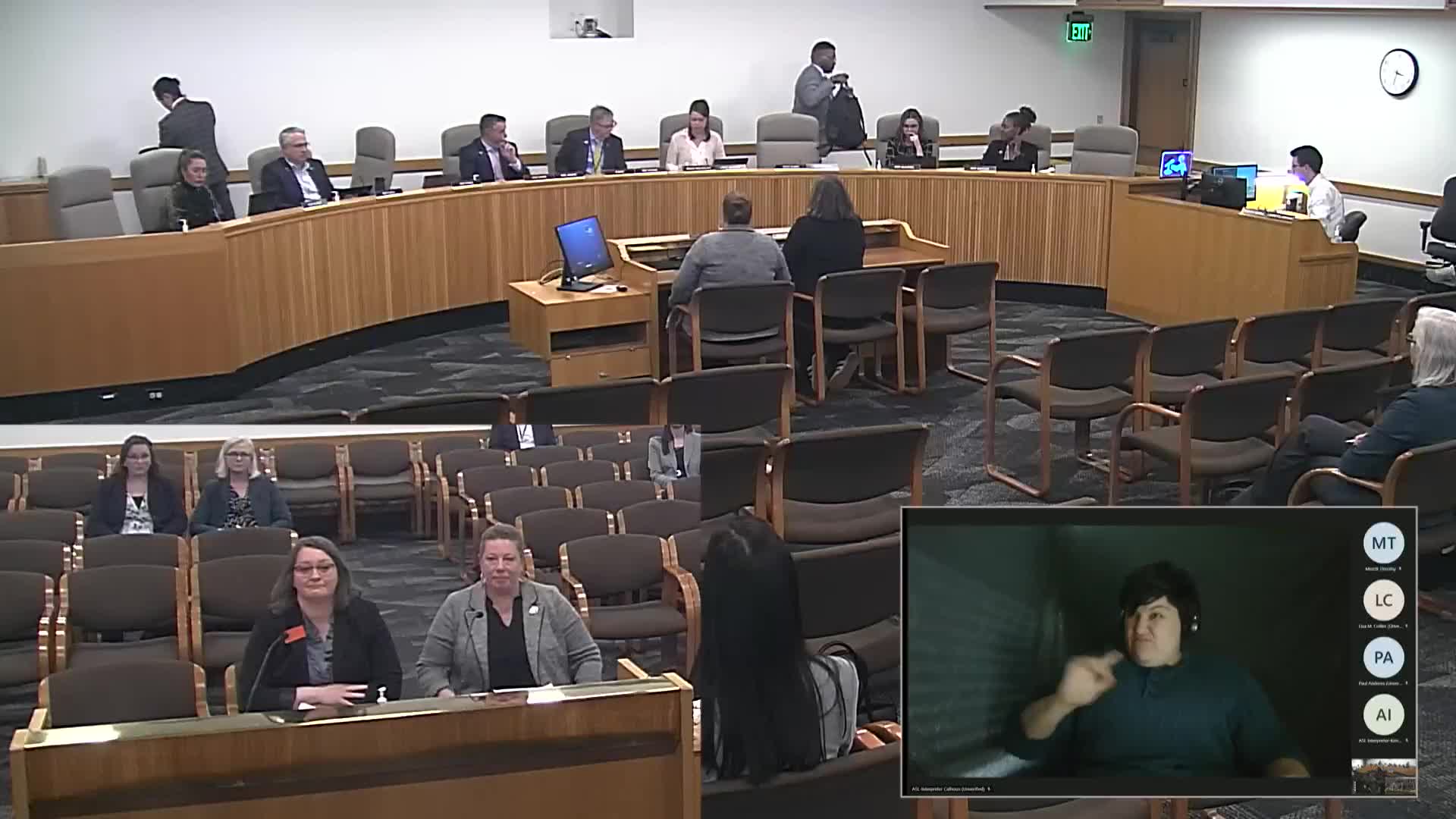
Supporters told the Senate health committee that Senate Bill 920 would direct Oregon State University Extension to lead a behavioral health promotion project using community conversations and local committees, building on existing Coast-to-Forest and Agri-Stress work in rural counties; multiple local officials and legislators testified in favor.
Senate Bill 920 would direct the Oregon State University Extension Service to administer a behavioral health promotion project that convenes local committees, develops local behavioral-health promotion plans, and facilitates community conversations about mental health and substance use, proponents said April 24.
Dusty (Dustin) Linnell, an OSU associate professor of practice with the extension family and community health program, described the program’s community-conversation model: multi-session convenings that review local health data, map the local behavioral-health system from prevention through recovery, identify strengths and gaps, and produce prioritized, locally driven action plans. Linnell said OSU Extension has run similar initiatives (including Coast to Forest) in Tillamook, Columbia, Malheur, Union and Umatilla counties since 2019, and that having an action plan helped local partners use newly available funding from behavioral health resource networks and opioid settlement funds.
Dr. Sandy Phibbs (OSU Extension) and county commissioners from Union and Wallowa counties described local outcomes: expanded services, housing projects for people in recovery, plans for crisis-stabilization centers, data-sharing agreements, and strengthened partnerships among public health, law enforcement and community providers. Commissioner Paul Andres of Union County and Commissioner Lisa Collier of Wallowa County each testified in support and described the local impact of Extension programs; Collier recounted a recent personal loss to suicide and urged the committee to support interventions that help communities respond.
OSU Extension leaders said the bill itself requests no new funding and that the extension has obtained a mix of federal and private funds to support the work to date. Representatives and staff testified that the work has focused to date on rural and frontier counties because of resource gaps there, and supporters described OSU Extension as a trusted local convenor able to bring together stakeholders who otherwise might not collaborate.
Several local officials and advocates, including a legislative chief of staff who lost a brother to an overdose, urged support and highlighted that the bill passed unanimously in the other body.
Why it matters: Proponents said the approach produces locally owned plans that allow counties to prioritize and deploy funding quickly, strengthen cross-sector partnerships, and address behavioral-health workforce and housing needs in rural areas.
Ending: The committee closed the hearing; a work session was anticipated to follow.