Get Full Government Meeting Transcripts, Videos, & Alerts Forever!
Get email alerts on the Privacy Surveillance Lodging topic
No spam. Unsubscribe anytime.
House Judiciary hears bill to give lodging renters a civil remedy for secret recordings
Summary
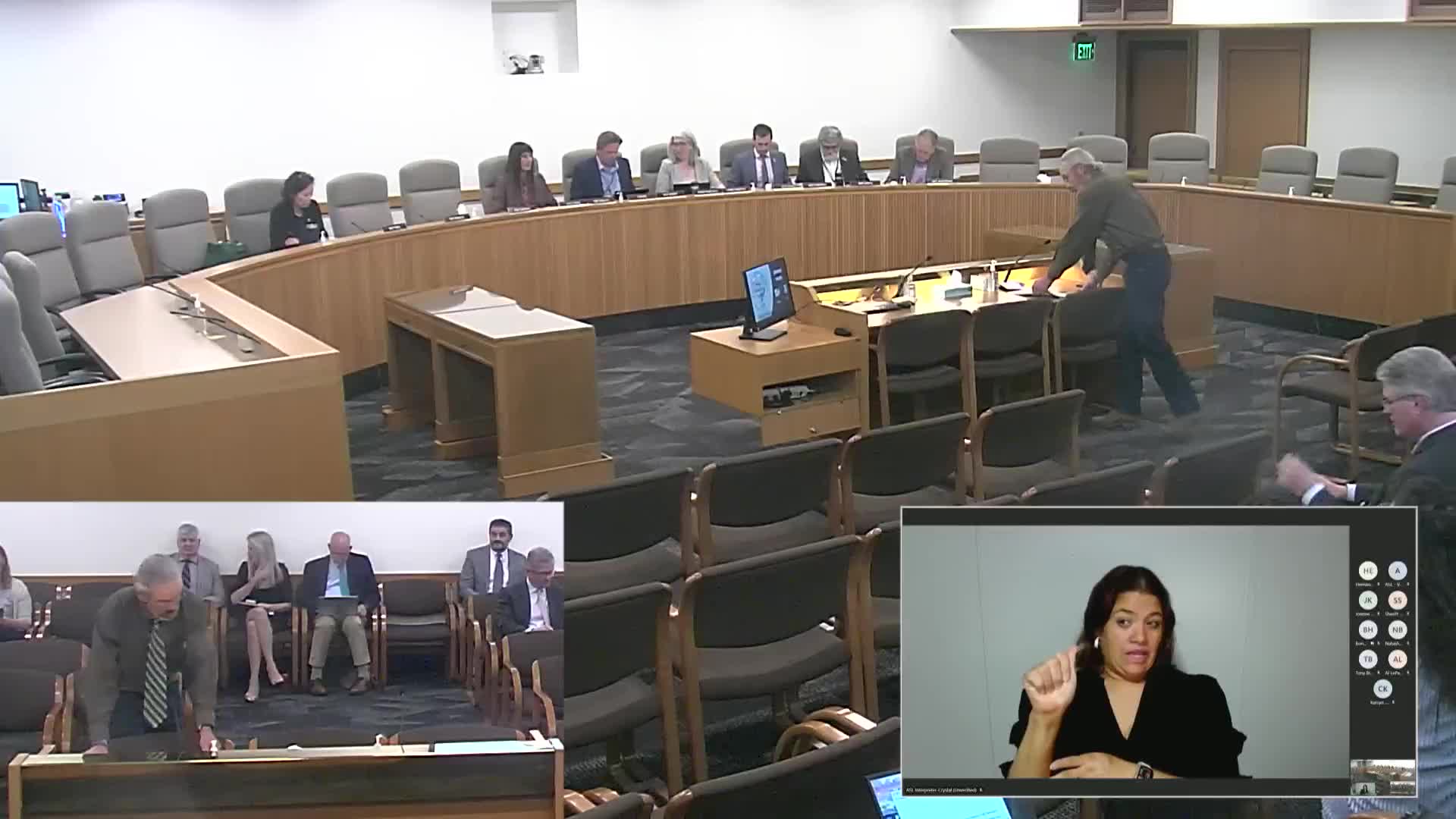
The House Committee on Judiciary held a public hearing April 24 on Senate Bill 470A, which would create a civil right of action against transient lodging providers or intermediaries that make or transmit visual or audio recordings of an occupant in a private space without the occupant’s consent.
The House Committee on Judiciary held a public hearing April 24 on Senate Bill 470A, which would create a civil right of action against a transient lodging provider or intermediary that makes or transmits a visual image, video recording or audio recording of an occupant in a private space without the occupant’s consent.
A legislative staff member gave an overview of the bill, telling the committee that "House Bill 470A provides a right of action against the transient lodging provider or transient lodging intermediary that makes or transmits a visual image or recording or audio recording of an occupant in a private space without the occupant's consent."
Senator Wade Perzonski (State Senator, District 4) told the committee the bill is intended to align legal remedies with what people reasonably expect when they rent temporary lodging. "This bill is really set up to ensure that you or I or anyone else... have the privacy that you would expect to have without being recorded by some individuals that were not fully informing you without your consent," Perzonski said. He pointed the committee to the bill’s private-space definition in section 1 and noted that the bill distinguishes private rented space from common areas such as lobbies or hallways.
Members asked whether the conduct also could be addressed under criminal law. Vice Chair Wallen asked whether any of this would currently be a crime. Perzonski said criminal statutes may provide protections in some circumstances but that prosecutorial resources and thresholds vary; he added the bill as drafted does not create a new criminal offense or add the cause of action to the state’s electronic communications crimes (he said, "It does not put it into eTPA"). The senator also noted the bill allows a successful plaintiff to seek reasonable attorney fees.
The hearing record included discussion of scope: sponsors said the bill identifies what counts as a private space (for example, the interior of a rented room behind a closed door) while preserving a property owner’s ability to monitor commonly accessible areas such as lobbies or hallways. Committee members raised implementation and enforcement questions; no committee action or vote occurred at the hearing.
The committee closed the public hearing on Senate Bill 470A and opened the next hearing. No formal action was taken on the measure during this session of the committee.
What happened next: the committee took no vote at this hearing and moved on to the next bill on the agenda.