Get Full Government Meeting Transcripts, Videos, & Alerts Forever!
Get email alerts on the School Health Epinephrine topic
No spam. Unsubscribe anytime.
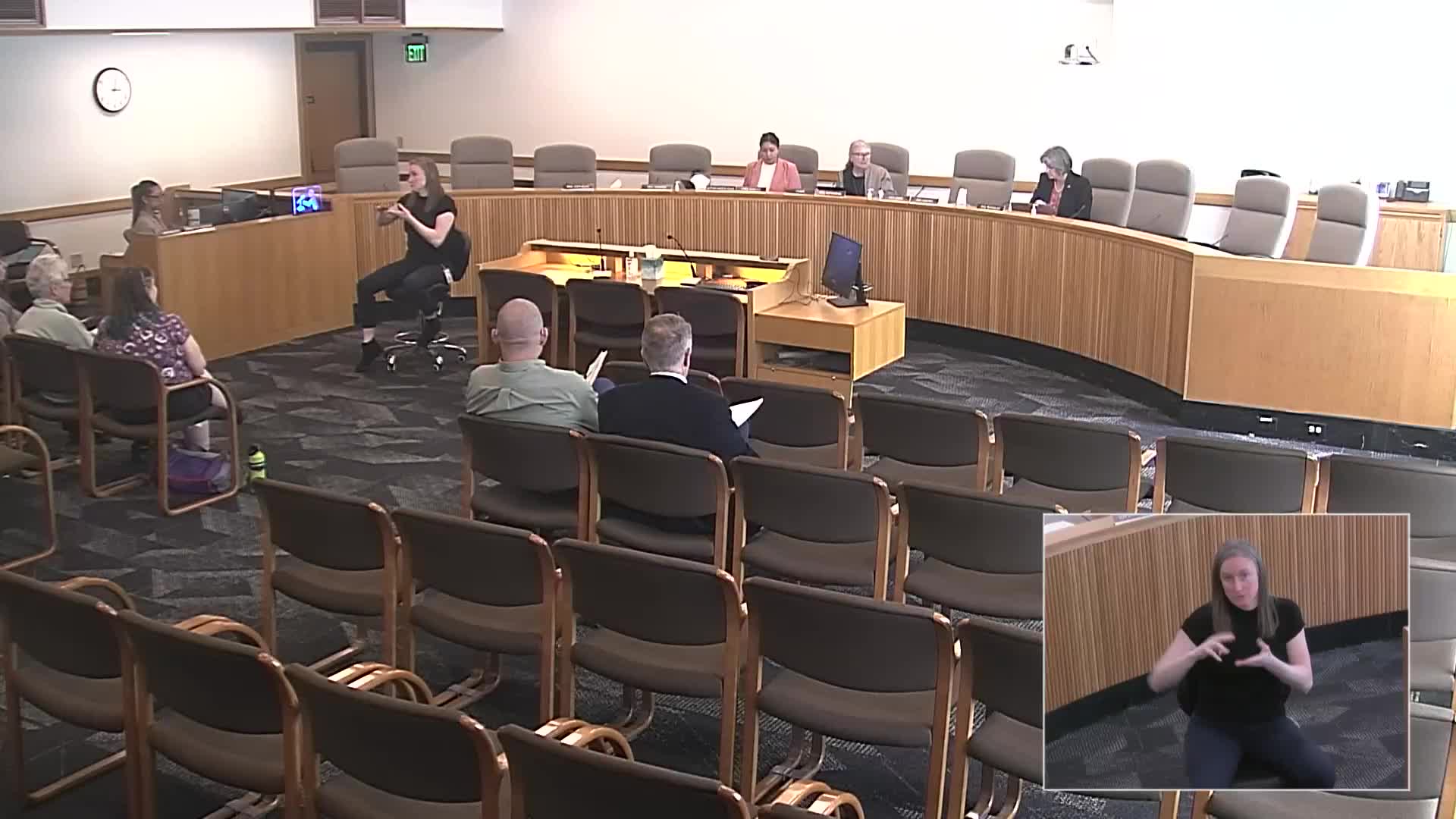
Committee hears bill to let schools use needle-free and other pre-measured epinephrine
Summary
A Senate committee heard testimony on Senate Bill 1, which would expand the legal definition of medication in schools to include any pre-measured dose of epinephrine — not only auto-injectors — and update training and liability protections for staff who administer it.
Senate Bill 1 would expand Oregon law to treat any “pre-measured dose of epinephrine” as an authorized medication for use in schools, allowing students or staff to administer epinephrine delivered by methods other than traditional auto-injectors.
Supporters told the Senate Committee on Health Care on April 24 that advances in delivery methods — including needle-free nasal sprays approved by the U.S. Food and Drug Administration — mean the statute should not be limited to auto-injectors. Senator Suzanne Weber (Oregon State Senator, District 16) told the committee the bill is a “simple fix” that would let the law accommodate future delivery methods. Mackenzie Worthington, testifying for Senate President Rob Wagner, said the measure also strengthens training requirements and explicitly updates criminal and civil liability protections for staff acting in good faith.
Proponents said broader language could reduce hesitation by staff and speed treatment when a child has a severe allergic reaction. Kaylee Desmond, a Lake Oswego teen who testified remotely, said a needle‑free nasal spray would offer an easier, less painful option and make administration and training simpler for school personnel.
Committee members asked detailed questions about the bill’s language. Senator Patterson and other committee members pressed whether “pre-measured” could be read to allow a school or clinic to draw multiple doses from a bulk vial and store them on a shelf. Supporters and staff said that was not the bill’s intent and that they would work on amendment language specifying manufacturer-sealed or otherwise prepackaged doses. Members also discussed whether the statutory language should explicitly include intranasal formulations; witnesses said the bill’s current language mentioning intramuscular and subcutaneous injection methods would not necessarily exclude intranasal delivery, but agreed to draft clarifying amendments.
There were no formal votes recorded in the hearing; committee staff said they would circulate amendment language to members for review before moving the bill forward. The committee closed the public hearing on SB 1 after additional testimony and indicated staff would work with bill sponsors on technical clarifications.
The hearing record includes statements from school and medical stakeholders urging swift action and clarification so that school policies and training align with available, FDA‑approved delivery options.