Get Full Government Meeting Transcripts, Videos, & Alerts Forever!
Get email alerts on the Right To Repair Wheelchairs topic
No spam. Unsubscribe anytime.
Committee weighs right-to-repair expansion for electric wheelchairs and complex rehab technology amid safety debate
Summary
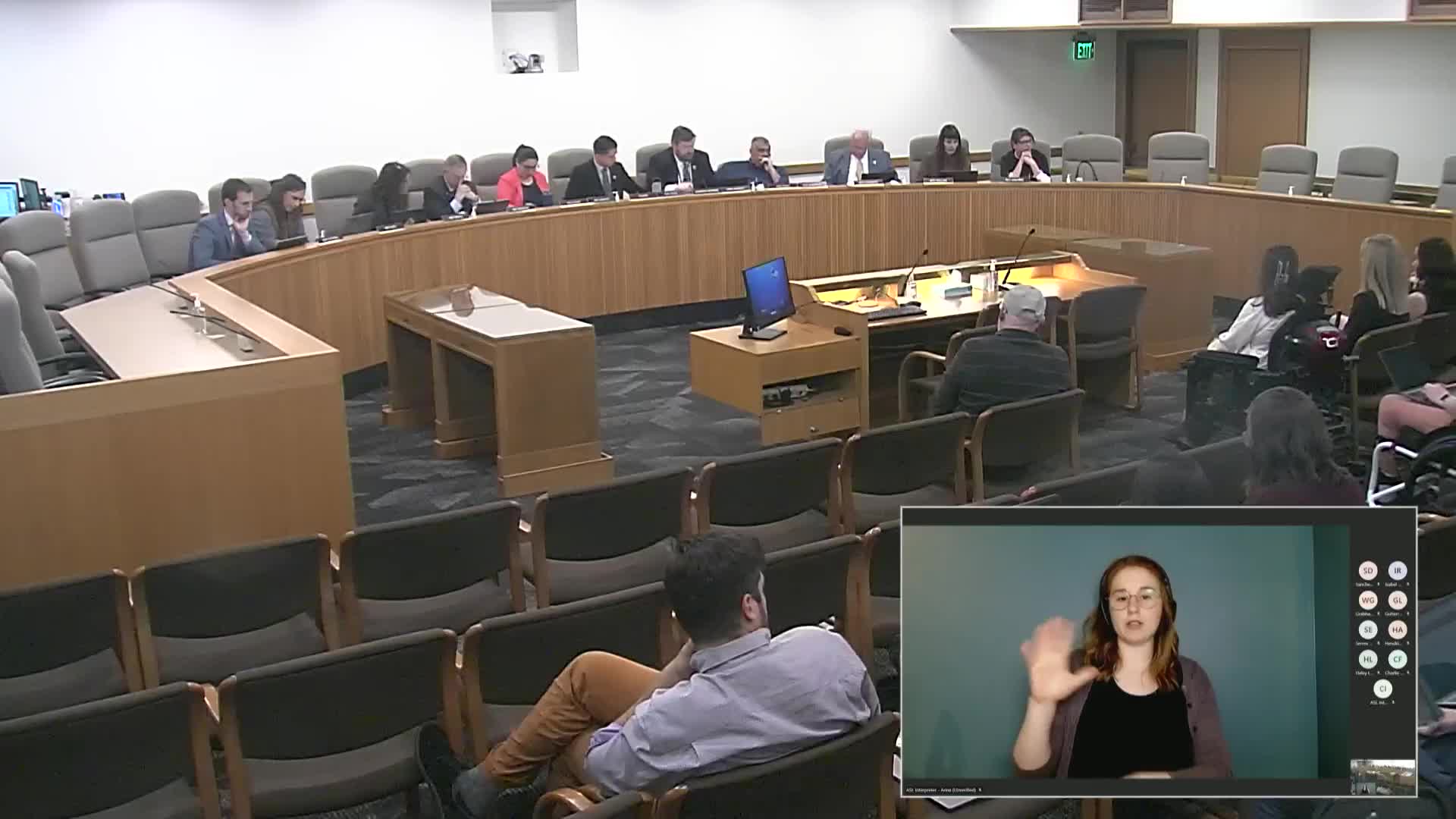
The House Committee on Commerce and Consumer Protection held a public hearing April 24 on SB 550, which would extend Oregon’s right-to-repair law to electric wheelchairs and complex rehabilitation technology (CRT).
The House Committee on Commerce and Consumer Protection held a lengthy public hearing April 24 on Senate Bill 550, which would add electric wheelchairs and complex rehabilitation technology (CRT) to the equipment covered by Oregon’s Right to Repair law. Proponents said the bill would reduce long repair delays that impede health and independence; manufacturers and some providers urged a narrowly targeted exemption for clinically sensitive components.
State Senator Janine Solomon (introduced in testimony as the bill sponsor) told the committee that long wait times for repairs leave users unable to leave home or work and that SB 550 would make the same diagnostic tools, parts and documentation available on fair and reasonable terms to owners and independent repair providers. Representative Courtney Nieron also testified in support and said the measure would expand choices for repair while preserving privacy and safety protections in existing law.
Multiple people with lived experience described long outages for essential mobility equipment. Wren Grabham, a college student who uses a power wheelchair, said a motor sensor failure left their chair unreliable and that a six-month wait for a fix forced them to rely on an unsuitable backup chair. Matthew Sears of the Oregon Developmental Disabilities Coalition and Ben Gurewitz of Disability Rights Oregon urged the committee to pass SB 550 without the dash-2 amendment, arguing that users know when clinical consultation is necessary and that manufacturers could use broad consultation language to deny access.
Providers and manufacturers including National Seating and Mobility and the National Coalition for Assistive and Rehab Technology (NCART) supported the right-to-repair concept but urged adoption of a dash-2 amendment that would carve out a small percentage of CRT components that require clinical expertise — seating systems, programmable electronics and other parts tied to posture, pressure management and respiratory function. Tanya Hammett and Wayne Grau argued the exemption would protect health and safety for people who rely on highly customized medical devices; Wayne Grau said CRT devices are regulated as FDA class II medical devices and that some components require clinical adjustment.
Testimony also addressed insurance and reimbursement: advocates noted that parts purchased directly from a manufacturer may not be reimbursed by insurers and that prior authorization and provider availability cause delays. Senator Solomon and witnesses referenced accompanying legislation to require a 72-hour prior-authorization timeline (SB 549), and a Colorado example was cited: eliminating prior authorization there reportedly reduced repair times by 21 days in one follow-up action. Riley Hurt and other users gave examples of component costs — Hurt said a joystick cost $2,028 and batteries $710 — and warned that out-of-pocket payments could be unaffordable for many users.
Committee members asked for data from states that have implemented similar laws and probed safety and liability concerns raised by the dash-2 exemption. Representative Rob Noss introduced the dash-2 amendment to narrow access where clinical expertise is needed; some committee members signaled interest in modifications, while disability advocates and repair-rights proponents urged the committee to avoid language they said manufacturers could exploit to restrict repairs.
No final vote was taken at the hearing. Committee staff were asked to gather comparative data from other states (Colorado, California, Washington) and follow up on how prior authorization changes interacted with repair timelines. The hearing produced a robust record of consumer stories, technical concerns and competing proposals for tailored exemptions.