Get Full Government Meeting Transcripts, Videos, & Alerts Forever!
Get email alerts on the Dignity Duffels Trash Bags topic
No spam. Unsubscribe anytime.
Witnesses, survivors and sponsors urge clear ban on using trash bags for foster children's belongings
Summary
Senate Bill 1016 would prohibit ODHS from using trash bags to transport a foster child's personal effects and require an "appropriate carrier"; sponsors said the measure clarifies prior law and restores dignity to youth who had items carried in garbage bags.
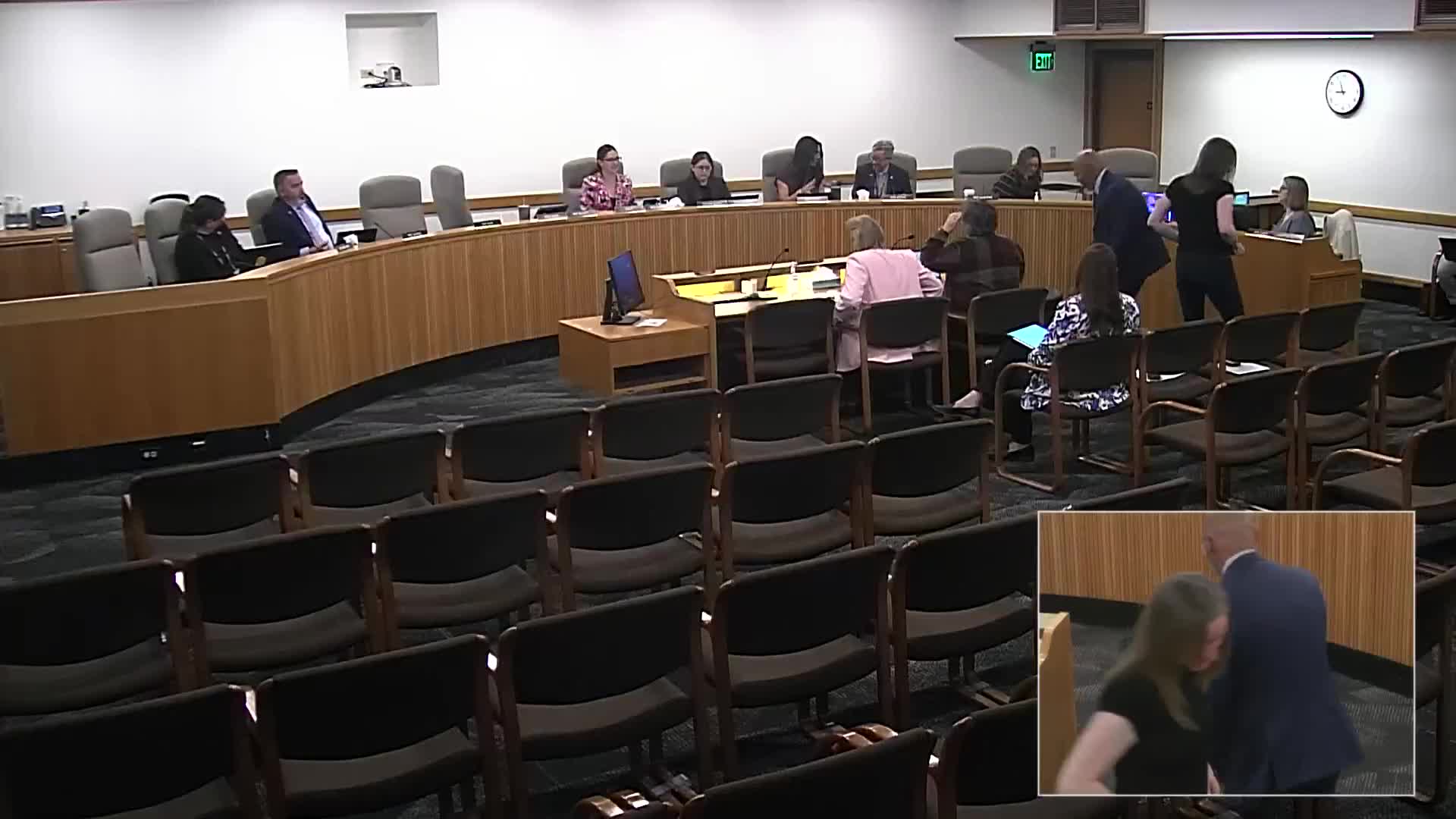
Sen. Janine Solomon and Rep. Anna Sharp, sponsors and several witnesses told the House Early Childhood and Human Services Committee on April 24 that Senate Bill 1016 would explicitly bar the Department of Human Services from using trash bags to transport a foster child's personal effects and require an "appropriate carrier" such as a tote or duffel.
Solomon described years of advocacy by Project Never Again and survivors and said prior statute (Senate Bill 548, 2023) required ODHS to inventory appropriate carriers and report when a trash bag was used, but did not stop the practice. "No child should be handed a trash bag to put their items in during transition, during a traumatic time," she said.
Rep. Anna Sharp, co-sponsor, said voluntary community efforts had provided duffel bags and notes of encouragement and that the bill is "such a small change, but yet a huge change in children's lives." She and Solomon said the bill's language allows ODHS flexibility for unsanitary situations (for example, when belongings require laundering) by using an "appropriate carrier" rather than naming a specific product.
Multiple witnesses, including two people who said they were former foster youth, described long-term harm from being given belongings in trash bags. Sheila McGonigal said she was placed in foster care at age 5 and that "trash bags were the transportation of choice every time I was moved from one placement to another." She said the practice deprived children of dignity: "Trash bags are for trash, not for children's possessions."
Another witness, Riley, representing Project Never Again, gave two contrasting scenarios to illustrate the bill's intent: being removed from a home with belongings placed in a sealed plastic tote or handed a flimsy trash bag. Riley said the trauma of the trash-bag experience "will never go away" and urged lawmakers to close any loopholes.
ODHS witnesses and committee members discussed exceptions for contamination (lice, feces, drugs) and the need for caseworkers to have sanitary options; sponsors incorporated that operational flexibility by using the term "appropriate carrier." Solomon said the Senate approved the bill 25-3 and urged the House committee to pass it.
Why it matters: Survivors and advocates argued the change is inexpensive but symbolically important for youth dignity and long-term wellbeing. ODHS supported flexibility for unsanitary situations; sponsors said the bill preserves that flexibility while removing trash bags as an option.
Next steps: SB 1016 was heard in committee; no committee vote was recorded on April 24.