Get Full Government Meeting Transcripts, Videos, & Alerts Forever!
Get email alerts on the Labor And Business Workers' Compensation Employment topic
No spam. Unsubscribe anytime.
Workers' Compensation Division and PEO industry back bill renaming worker‑leasing law to PEO statute
Summary
Department and industry witnesses told the Senate committee House Bill 2,800 replaces the term “worker leasing company” with “professional employer organization (PEO),” updates definitions to reflect modern business practices, and streamlines reporting by moving notice requirements to insurers to allow electronic data interchange.
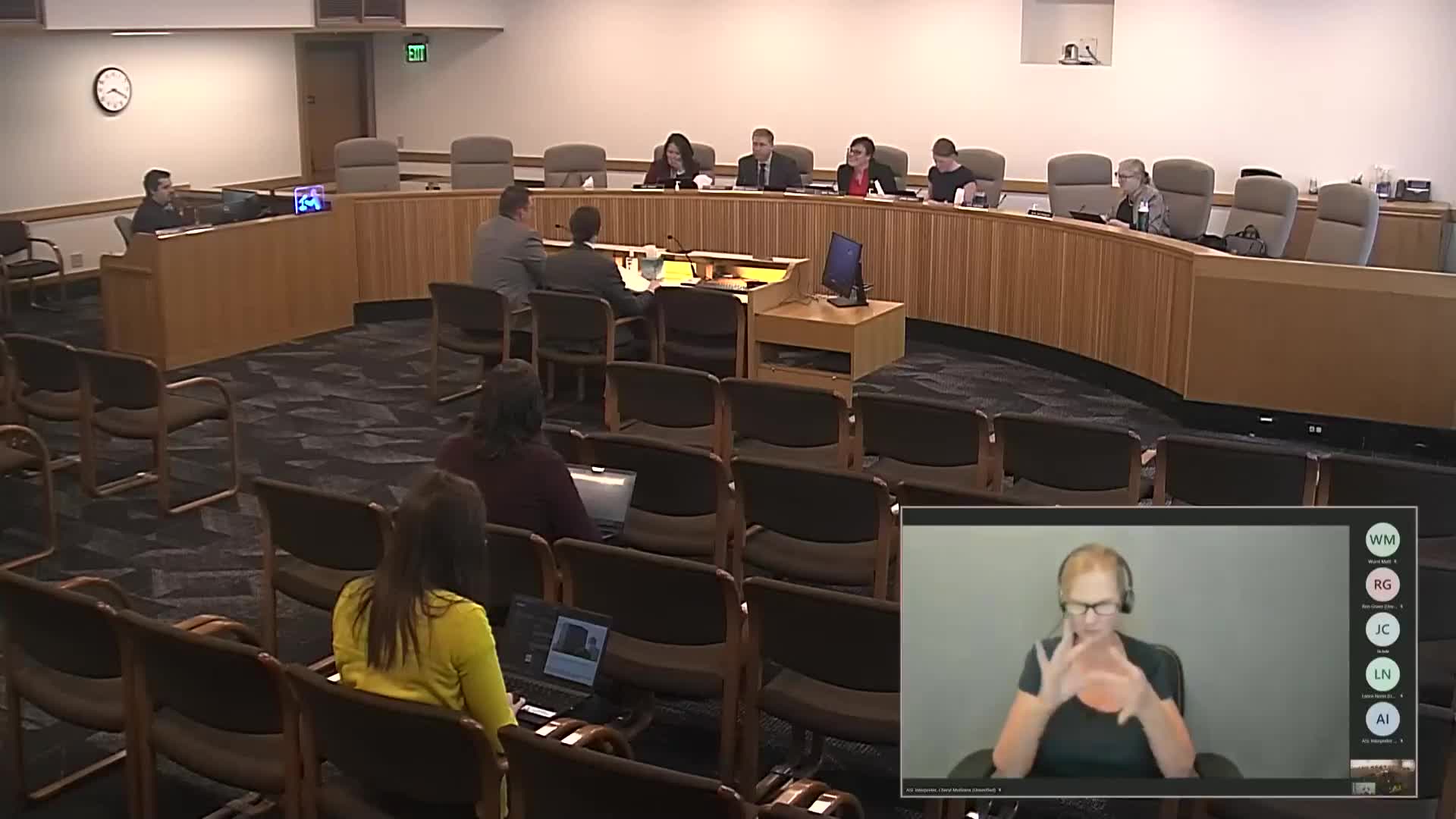
The Senate Committee on Labor and Business heard House Bill 2,800 from the Department of Consumer and Business Services (DCBS) and industry stakeholders. The bill would replace the statutory term “worker leasing company” with “professional employer organization” (PEO), modernize definitions, and update reporting procedures.
Matt West, Workers' Compensation Division Administrator, said the division licenses and regulates worker‑leasing companies under ORS 656.850 but that the statutory definition is outdated relative to how PEOs operate today. He told the committee the bill deletes the term worker leasing company and replaces it with a PEO definition that allocates specified employer responsibilities for some or all client workers, language based on NAIC model provisions used in other states.
West said the bill would let the division accept client coverage data from insurers via electronic data interchange (EDI) by changing the required notice recipient from the division to the insurer; termination notices would still be reported to both the division and insurers. The bill would also allow the division to adopt rules about how insurers write policies covering PEO clients and to share coverage data with insurers so claims and coverage responsibilities are clear.
Senate Vice Chair Bonham asked whether the bill preserves exclusive‑remedy protections for injured workers; West confirmed that exclusive remedy continues to apply to the PEO and the client employer under the statutory scheme (conforming changes are limited to terminology). He added the Workers' Compensation Management Labor Advisory Committee voted unanimously to support the bill with a dash‑3 amendment on March 27.
Jenny Dressler, representing the National Association of Professional Employer Organizations, said the language is technical, that industry and the division worked with MLAC to find agreement, and asked for the committee’s support. The committee closed public comment; no opposition testimony appears in the transcript.