Get Full Government Meeting Transcripts, Videos, & Alerts Forever!
Get email alerts on the Golf Course topic
No spam. Unsubscribe anytime.
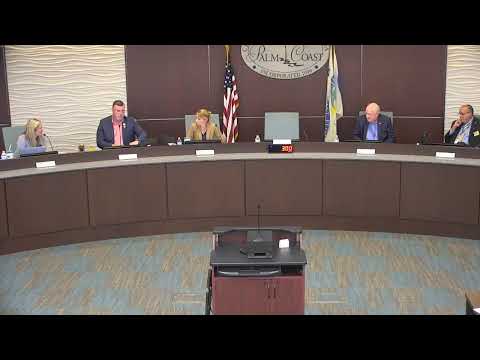
Council moves to seek appraisal and RFP as Palm Harbor Golf Club struggle prompts review
Summary
After a staff presentation on Palm Harbor Golf Club operations and finances, the council agreed to request an appraisal and prepare a request for proposals, with language to keep any buyer/operator to running an operational golf course.
Parks and Recreation staff presented a facility analysis of Palm Harbor Golf Club and the City Council directed staff to obtain an appraisal and prepare a request for proposals (RFP) to explore private management or sale that would require the property remain an operational golf course.
Nut graf: The council—s action followed a financial review showing fluctuating cost recovery over recent years, debate over in-house maintenance versus contracted management, and vigorous public comment in favor of preserving and improving the course.
What staff presented: James Hurst, Parks and Recreation director, told council staff implemented immediate rate changes (incremental increases and a new credit-card processing fee) and explored operational options to reach cost recovery. Hurst said the Troon maintenance contract (current through 2027) includes a management and maintenance fee the city projects at roughly $457,000 for 2026; Hurst reported a modeled in-house maintenance staffing option at about $503,000 (seven full-time staff) and a higher-cost in-house alternative at roughly $627,000 (nine full-time staff).
Past performance and current projection: Hurst reviewed five years of operating history. The course reached near cost recovery in 2020--2022 during a pandemic-related surge in play; in later years revenues and increased costs produced lower cost-recovery percentages (staff cited 78% in 2022-23). As of early April staff projected roughly break-even for the current year under planned rate and operating changes (staff projected about 99.8% cost recovery for the current year based on implemented adjustments). Hurst and finance staff emphasized the presented projections covered operational costs and did not include periodic capital needs, which would be funded from separate capital budgets.
Council direction and legal safeguards: After public testimony from residents, frequent players and former golf-industry staff, the council asked staff to pursue an RFP to solicit prospective operators or buyers and to obtain an appraisal of the property. Council members repeatedly stated a requirement that any buyer or manager be contractually obligated to operate the site as an “operational golf course.” City staff and the city attorney said they would draft covenant language to run with the land to preserve that use and would return proposed contract language for council review; staff also noted the city manager—s procurement authority for modest appraisal costs.
Public comment: Dozens of residents and players urged preserving the golf course, cited its value as a community amenity and destination, and called for investment to restore playing conditions. Several commenters with golf-course management experience urged professional course maintenance and clearer operating metrics.
Ending: Council members expressed broad support for preserving the course while also seeking options to reduce annual operating subsidies. Staff will return with an appraisal and draft RFP language and bring legal covenant language for council review.