Get Full Government Meeting Transcripts, Videos, & Alerts Forever!
Get email alerts on the Budget topic
No spam. Unsubscribe anytime.
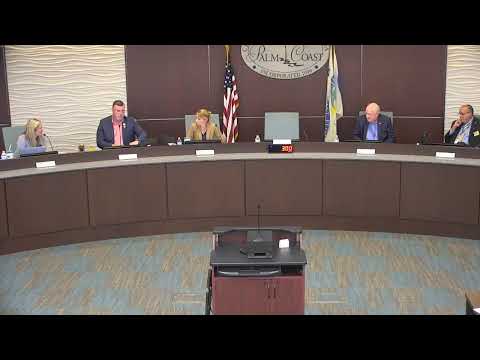
Council reviews midyear budget update; members press for clearer debt reporting and more economic development investment
Summary
Finance staff presented the year-to-date operating budget through March 31 and the council discussed revenue timing, internal transfers, and underused economic development funds, and asked staff to separate debt-service reporting in future financial presentations.
Financial Services Director Helena Alves and Budget and Procurement Manager Gwen Ragsdale presented the city—s year-to-date operating results through March 31 and outlined the fiscal year—s budget calendar.
Nut graf: The presentation showed ad valorem collections running near normal seasonal levels, operating funds largely in expected ranges, and several line items where timing—not performance—explained variances. Council members asked staff to show debt-service separately in future reports and pushed for greater use or promotion of the city—s economic development budget.
What staff told the council: Alves said ad valorem tax receipts were about 93% collected—typical for this point in the year—and that some revenue categories (business tax renewals, state fire-insurance distributions) appear low now because of later payment schedules. She reviewed enterprise fund timing (utility bills lag one month, local government investment pools provide short-term liquidity) and said investment income remained elevated relative to conservative budgets.
Expenditures and transfers: Ragsdale reviewed operating expenditures and said most departments are at or under the 50% mark expected at midyear. She noted timing differences for capital purchases and transfers; for example, some vehicle and equipment purchases remain on order with delivery lags from supply-chain delays. Councilmembers pressed for clearer presentation of interfund transfers and for debt-service to be shown separately rather than lumped in "non-departmental" lines; both finance staff and the external auditor were cited as able to produce that breakdown.
Economic development: Council members repeatedly flagged that the city—s economic development line showed only roughly 22% spent at midyear and argued that the city should consider more active use of those funds, including marketing and targeted incentives, to grow taxable value and jobs. Staff said $162,000 from appropriated fund balance was budgeted for department initiatives and that departmental spending would be examined during the formal budget workshops.
Budget calendar and next steps: Staff outlined the fiscal timetable: a property tax/Truth in Millage (TRIM) presentation in late June, budget workshops in July, capital budget in August and two public hearings in September. Council members encouraged staff to look for efficiencies—one councilor suggested a modest citywide 2% under-run goal as a planning target to create budget flexibility.
Ending: The council asked for continued midyear reporting, a separate debt-service line in future materials, and additional detail on how economic development dollars are being marketed and spent.