Get Full Government Meeting Transcripts, Videos, & Alerts Forever!
Get email alerts on the Recovery Housing Peer Support topic
No spam. Unsubscribe anytime.
Former residents, staff describe Washoe County’s Crossroads peer-led recovery housing
Summary
Participants and staff at Washoe County’s Crossroads recovery houses described a county-run, peer-supported, tiered housing program that serves about 70 residents on any given day and uses a “community as method” model including daily peer accountability routines.
Scott Weist, community coordinator for the men’s Crossroads program, and Kenneth Smiley, a community support staff member and former resident, described the program as a county-run, peer-led recovery housing model that supports people leaving homelessness, court diversion programs or jail.
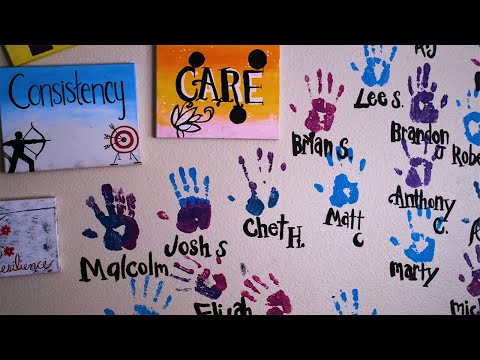
The Crossroads program, run through Washoe County’s human services agency, provides tiered, alcohol- and drug-free supervised housing. "Some of the core key concepts, this is a community as method model," Weist said, describing a structure in which residents and staff work together to set expectations, lead groups and mentor newer members.
Why it matters: local officials and providers point to housing-plus-peer supports as a way to reduce repeat arrests and stabilize people returning from the streets or justice system. Guests on the Washoe Life podcast said Crossroads aims to build skills and community that participants carry into later phases and reentry.
Program model and routines
Residents and staff said the program emphasizes peer leadership and individual autonomy within structure. Smiley, who said he had lived at Crossroads for "1 year and 4 months," called the site "a mental and behavioral change program, not a rehab," and said staff and peers "lead with a why and not a blame." He described the program as one that helps people "figure out what works best in our lives within the structure of the Crossroads community."
Staff and former participants cited two daily group practices: "push ups," a morning routine used to praise and recognize accomplishments, and "pull ups," a peer-led process to call someone in about behavior that conflicts with community values. "Pull ups is an opportunity for each individual person to call each other in," Weist said. "It's to point out and bring to the attention something that's being exhibited that goes against our values and morals." The hosts and guests said those routines are central to how community members hold one another accountable and learn to take responsibility for choices.
Peer staff and pathways
Multiple guests on the podcast said Crossroads intentionally hires former participants. Weist described his path from community support staff to certified peer recovery support specialist (PRSS) and then to community coordinator. Several guests said work at Crossroads helped them develop leadership skills and the confidence to pursue long-term goals: "It's a rush just being able to help people come in," Weist said.
Other participants shared personal backgrounds that led them to the program. Smiley said he had been living outside and sought shelter when he heard about Crossroads through a referral; he described sleeping in an abandoned shuttle before entering the program. Stephanie Myers said a judge sentenced her to Crossroads and that the program helped reconnect her with her children. Connor Anderson and Malcolm Chappell described court nudges and prior program experiences as paths that brought them to Crossroads.
Scale and services
Hosts said the site houses roughly 70 residents on any given day. Guests described multiple program tracks — men's, women's and family-oriented offerings — and several phases that include more autonomy as residents progress. Staff training mentioned during the episode includes PRSS coursework and roles such as live-in house parents and community coordinators; Bethany Sumpter, who identified herself as a lead at the women’s program, said she completed PRSS training and described supervising peers as a career goal.
Limits and disclaimers
Speakers described Crossroads as county-run, peer-centered housing and recovery support; they did not provide specific budget figures, long-term outcome studies, or program capacity beyond the cited daily census. Funding sources and formal referral quotas were not specified during the episode. Several guests said judges or other programs had referred some residents, but the podcast did not present a comprehensive referral or funding breakdown.
What’s next
The hosts said the episode is one of two focused on Crossroads; a follow-up episode will feature staff who manage day-to-day operations and processes. "We're going to stay with this," host Nancy Lowenhagen said near the close of the episode.