Get Full Government Meeting Transcripts, Videos, & Alerts Forever!
Get email alerts on the Stormwater Yardsmart Tree Rebates topic
No spam. Unsubscribe anytime.
Kirkland outlines YardSmart rebates, tree rebates and stormwater steps to reduce runoff and improve water quality
Summary
On the City of Kirkland podcast April 24, stormwater outreach specialist Kate Schmidt summarized YardSmart and tree-rebate programs, eligibility, and practical steps residents can take to reduce runoff, improve creek and Lake Washington water quality, and support wildlife habitat.
Kate Schmidt, the environmental education and outreach specialist with the stormwater team, told the City of Kirkland podcast on April 24 that several city rebate programs can help residents slow and filter stormwater on private property and increase tree canopy.
Schmidt said the city’s tree-rebate program is open to Kirkland residents and that the program pays “up to $500 per property per year” with per-tree reimbursement amounts discussed on the podcast. The program covers trees and related items such as compost, mulch and watering bags. Schmidt also described the YardSmart program, which the city uses to encourage downspout disconnection, rain gardens, native plants and other measures that reduce runoff.
City staff described YardSmart rebates as larger-scale: Schmidt said the program offers up to $5,000 per single-family property and up to $10,000 for larger properties or multifamily sites. She said homeowners can pursue a do-it-yourself option that may be reimbursed at 100% of eligible costs or hire a contractor and receive up to 75% of contractor costs. The podcast noted that permeable pavers, rain gardens, disconnecting downspouts and native landscaping are examples of eligible measures.
Schmidt framed the programs as benefits to both people and local ecosystems. “Almost all the water that falls on Kirkland runs straight to the creeks and then to Lake Washington without being filtered or treated in any way,” she said, noting that runoff can carry motor oil, pet waste and other pollutants. She also emphasized wildlife and habitat benefits: native plantings and stormwater practices support salmon, birds, amphibians and other species that use Kirkland’s creeks and wetlands.
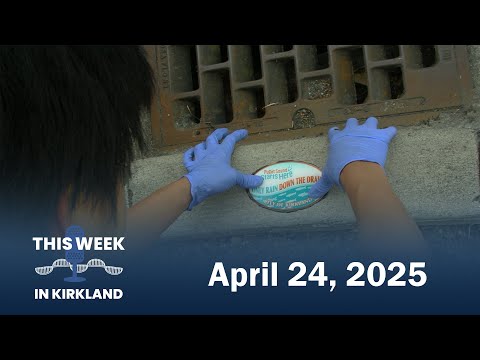
On household practices, Schmidt offered a plain rule: “Only rain down the drain.” She said commercial car washes are preferred because they filter wastewater; if residents wash cars at home, she suggested directing wash water into landscaping so it can be filtered rather than sent to storm drains. The podcast also described non-structural approaches—like planting native species—and structural measures, such as permeable pavers for driveways, that allow infiltration rather than fast runoff.
Schmidt described YardSmart site visits and said staff can check eligibility for rebates and advise on design. She also discussed interventions for conflicts with wetland work by beavers and noted the city sometimes collaborates with the Snoqualmie Tribe and uses devices called “beaver deceivers” to reduce flooding while preserving wetland benefits.
Ending: The podcast said application links and program details are available on the city website and in the episode’s show notes. Schmidt encouraged residents to consider small yard changes—trees, native plants or redirected downspouts—that reduce runoff and improve local water quality.