Get Full Government Meeting Transcripts, Videos, & Alerts Forever!
Get email alerts on the Education Religious Instruction topic
No spam. Unsubscribe anytime.
Senate approves education conference report that expands religious-instruction options and creates STEM teacher pathway
Summary
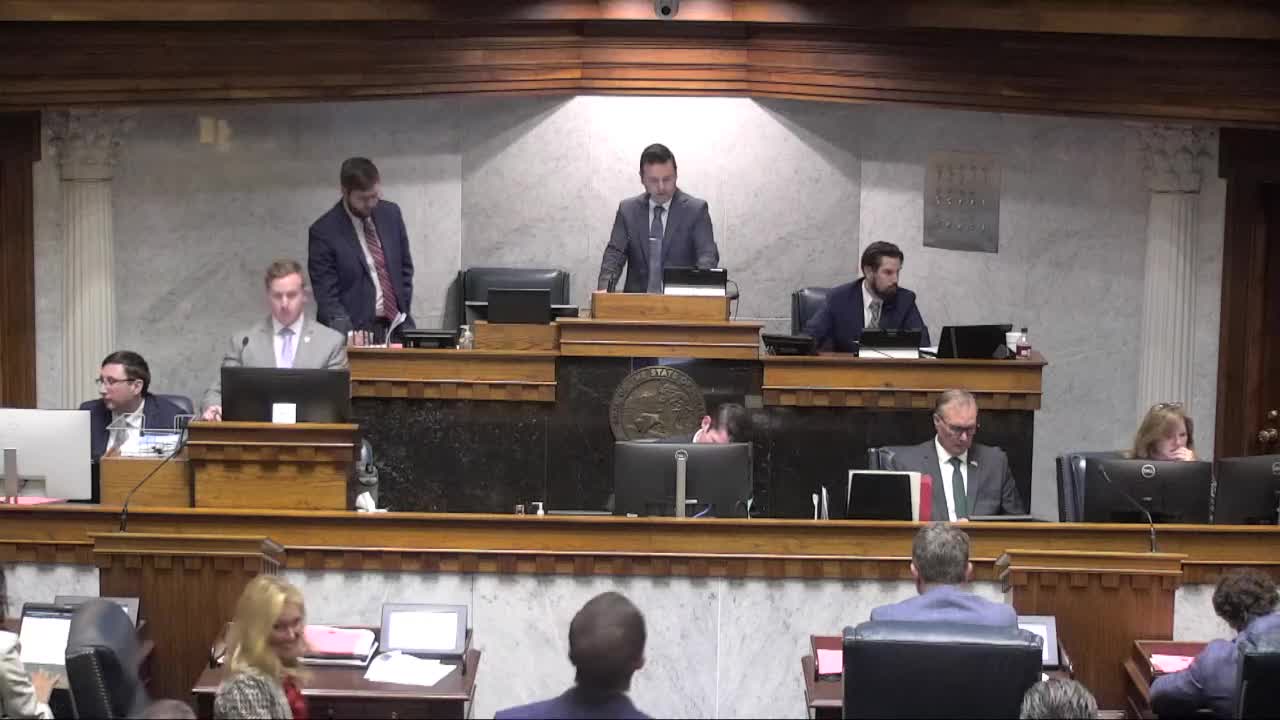
The Senate passed conference committee report number 1 for SB255 after floor questions about caps on religious instruction, parental notification and a new STEM-to-teaching pathway; the report passed 32-12.
The Indiana Senate adopted the conference committee report for Senate Bill 255 on April 23. Sponsors said the reconciled bill creates a new pathway for STEM students to become STEM teachers, adjusts limits on out‑of‑school religious instruction for secondary students, and changes parental notification timelines for bullying investigations.
Senator Dery (presenting the report) described three primary elements: a STEM pathway to speed entry into teaching, an adjustment to the prior 120‑minute cap on out‑of‑school religious instruction at the high‑school level so that secondary students can instead take instruction equivalent to an elective, and a change to require schools to notify parents about bullying incidents before the end of the next school day (shortening the previous five‑day window). He said the bill passed out of the Senate unanimously prior to conference.
Nut graf: The package attempts to address teacher supply in STEM fields while also modifying how religious instruction is scheduled and how quickly schools notify parents about bullying; senators asked detailed questions about licensure impacts, principal authority, and practical implementation at high schools.
Floor exchange: Senator Kadora and others asked the author to clarify whether the change effectively lets a student skip a particular period for a semester rather than be removed intermittently; Senator Dery said the change is intended to reduce missed instruction and preserve local flexibility including the collaborative process between parents and principals. Senators also raised concerns that the conference language added a licensure pathway the House requested that may give the Department of Education rulemaking flexibility to create alternate licensure routes in critical shortage areas.
Formal action: After debate, the machine was closed and the clerk tallied 32 ayes and 12 noes; the conference committee report passed and the secretary will inform the House.
Ending: Supporters described the bill as pragmatic changes to address teacher shortages and streamline certain notifications; some senators said they retained significant concerns about principal authority and the scope of new licensure flexibility.