Get Full Government Meeting Transcripts, Videos, & Alerts Forever!
Get email alerts on the School Finance Sb1 topic
No spam. Unsubscribe anytime.
Superintendent: SB1 and revenue forecast could cut local school dollars, complicate future borrowing
Summary
Board heard a presentation on recent state legislation (SB1) and a revised revenue forecast that officials said will reduce local revenue streams, remove local income tax sharing with schools by 2028 and could push districts toward referendum requirements for debt.
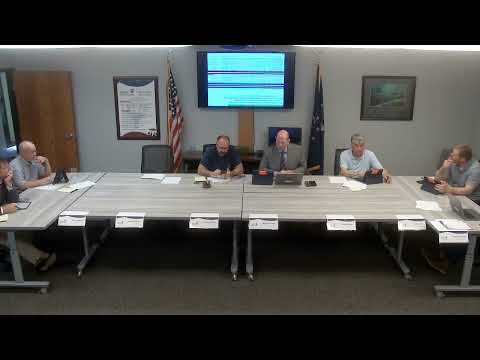
The MSD Wabash County Schools superintendent told the board on Monday that Senate Bill 1 and a new state revenue forecast are likely to reduce property-tax-derived revenue available to local schools and could complicate future borrowing decisions.
The presentation said SB1 “removes local income tax dollars that the county can provide [to] school districts” and that those dollars “will go away, in 2028,” the superintendent said. The superintendent added the April revenue forecast shows an estimated loss in state revenue of more than $2,000,000,000 over the next two years.
School leaders told the board those changes matter because lower assessed valuation reduces the tax base and can raise tax rates; that, in turn, could push some districts’ debt-service tax rates past a 70-cent threshold that would require voter referendums for new debt. The superintendent warned that change could affect planned work with partner districts at Heartland Career Center and other long-term capital projects.
Board members and staff cited related provisions in the legislation that limit when referendum questions can appear on the ballot and require some school corporations to share operating referendum dollars with charter schools beginning in 2028. A recorded video from the Indiana School Boards Association, read during the meeting, summarized the legislative calendar and noted that some bills were in conference committees, including the main budget bill, House Bill 1001.
The superintendent also noted broader fiscal context: over the last 25 years the state legislature has placed roughly 560 mandates on k-12 schools, increasing districts’ administrative responsibilities even as revenues tighten. Board members asked for follow-up with financial advisors and partners to clarify how assessed-valuation changes and the new statutory thresholds would affect local borrowing and facility plans.
Board members said they will continue to track conference-committee negotiations on the budget and other education bills. The superintendent said district staff will return with more detailed impact estimates once the General Assembly finalizes the budget.
The board did not take a formal vote on any change to district policy during the presentation; it received the update for discussion and direction.