Get Full Government Meeting Transcripts, Videos, & Alerts Forever!
Get email alerts on the Guardianship Court Process topic
No spam. Unsubscribe anytime.
Bill would grant liability immunity to court visitors acting in good faith
Summary
Senate Bill 1123A would provide civil‑liability immunity to appointed court visitors who act in good faith in guardianship investigations; proponents said immunity protects a scarce, essential workforce and preserves the integrity of guardianship investigations.
The House Committee on Judiciary took testimony April 23 on Senate Bill 1123A, which would grant immunity from liability for good‑faith acts performed by court visitors in the scope of their role in guardianship and protective‑proceeding investigations.
Chris Rawson, Oregon Public Guardian and Conservator, and court visitor Katie Garman described the role court visitors play as the court’s neutral eyes and ears in adult guardianship petitions. Rawson said court visitors investigate allegations of incapacity or need for guardianship, evaluate proposed guardians and communicate the protected person’s objections to the court. He said court visitors sometimes prevent inappropriate guardianships and that, unlike special advocates, court visitors are usually independent contractors who currently lack statutory liability protection.
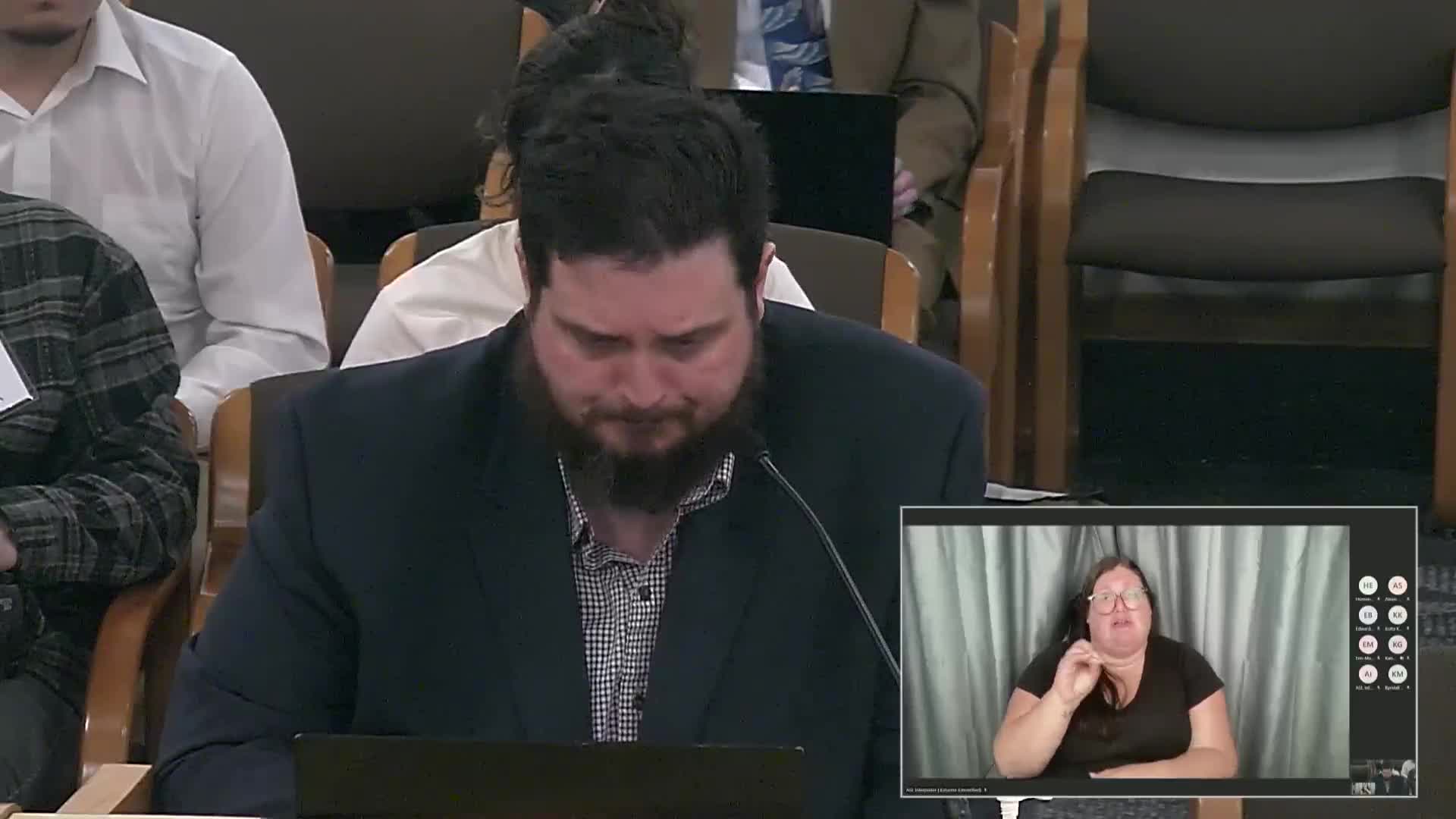
Katie Garman, a longtime court visitor and registered nurse, described being named as a defendant in litigation arising from a contested guardianship case and said that independent contractors receive no defense or indemnification from the Judicial Department. "Finding an attorney and paying for even initial consultation would have cost far more than I was paid for in this case," she said, urging the committee to pass SB 1123A to preserve the workforce of qualified visitors who perform a time‑consuming, often unpaid public service.
Oregon Judicial Department staff said they were neutral but provided technical context, noting the bill would not authorize court visitors to act outside their duties or to act in bad faith. Rawson and witnesses pointed out that special advocates (a related role under guardianship statutes) already have immunity language and that SB 1123A borrows that statutory phrasing.
Why it matters: court visitors play a critical role in safeguarding due process in guardianship proceedings; proponents argued the lack of liability protection discourages experienced professionals from serving, which could slow or degrade court oversight in protective matters.
Next steps: the committee closed testimony and heard requests for technical drafting, with no recorded committee vote on April 23.