Get Full Government Meeting Transcripts, Videos, & Alerts Forever!
Get email alerts on the Sexual Assault Victims Fund topic
No spam. Unsubscribe anytime.
Committee hears bill to broaden time frames and rulemaking for SAVE Fund forensic exams
Summary
Witnesses including Department of Justice and survivor advocates supported HB 2456 A to let the Department of Justice set rules and time frames for forensic medical exams covered by the Sexual Assault Victims Emergency (SAVE) Fund; senators sought clarity about storage of evidence kits and access to emergency contraception.
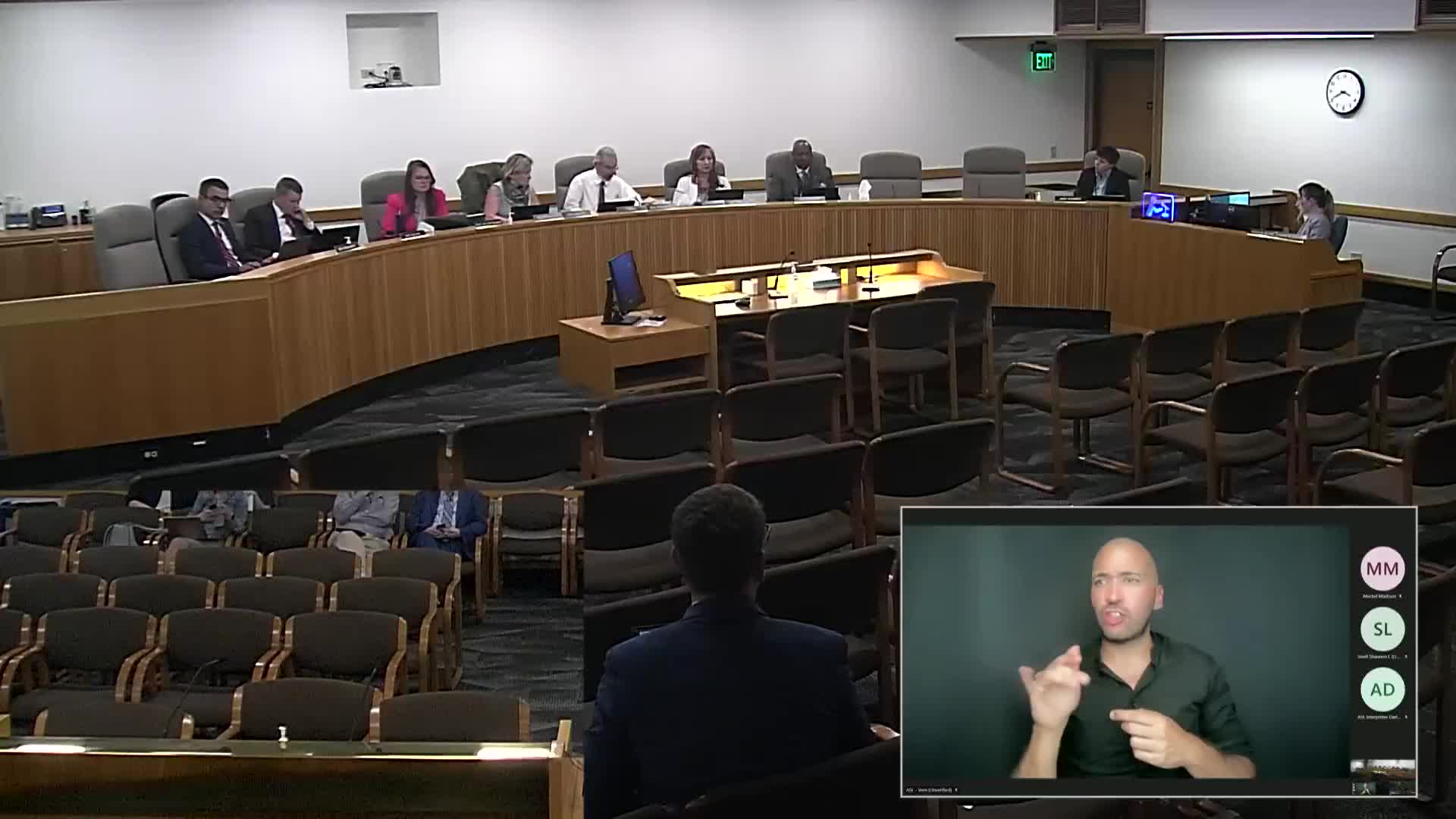
Chair Floyd Prozanski opened the public hearing on House Bill 2456 A, which would revise definitions and give the Oregon Department of Justice rulemaking authority over reimbursement time frames, payment processes, and covered services for the Sexual Assault Victims Emergency (SAVE) Fund.
Shannon Savelle, director of the Crime Victim and Survivor Services Division (CVSSD) at the Oregon Department of Justice, told the committee the bill is “very straightforward” and aims to modernize how the SAVE Fund reimburses forensic medical examinations so the fund can reflect changing best practices. “This fund allows victims of sexual assaults to have forensic medical exams, and they're paid for by CVSSD,” Savelle said, adding that survivors do not get billed for those exams.
Shannon Rose, executive director of the Oregon Sexual Assault Task Force, testified in support and described the SAVE Fund as “a life-altering and at times life-saving resource for survivors.” Rose said broadening allowable time frames for covered care would accommodate trauma-related delays in seeking exams and help survivors access high-quality, consistent forensic and medical services. She cited a CDC estimate — read into the record — that the average lifetime cost per victim of sexual assault is substantial, and said the SAVE Fund helps reduce survivors' financial burdens.
Senators pressed witnesses about two specific concerns. Senator Gelser Blouin asked why the bill appeared to remove statutory language about storage of sexual-assault forensic evidence kits. Savelle said she had not reviewed that specific line during testimony and would follow up; committee counsel and other witnesses later observed that stored kits are governed by a separate statute (referred to in testimony as “Melissa's Law”), which requires long-term storage (60 years) and may intersect with the SAVE Fund rules.
Gelser Blouin also raised a question about whether the bill's shift to rulemaking might affect explicit statutory provisions that require offering emergency contraception, STI prevention and prescriptions for minors; witnesses said there was no intent to eliminate those statutory protections and offered to work with committee staff on an amendment to preserve them in statute while allowing other details to move to rule.
The bill came to the committee from the House with 51 aye votes and 9 excused. The committee closed the public hearing; no committee vote was recorded in this session.