Get Full Government Meeting Transcripts, Videos, & Alerts Forever!
Get email alerts on the Housing Immigration topic
No spam. Unsubscribe anytime.
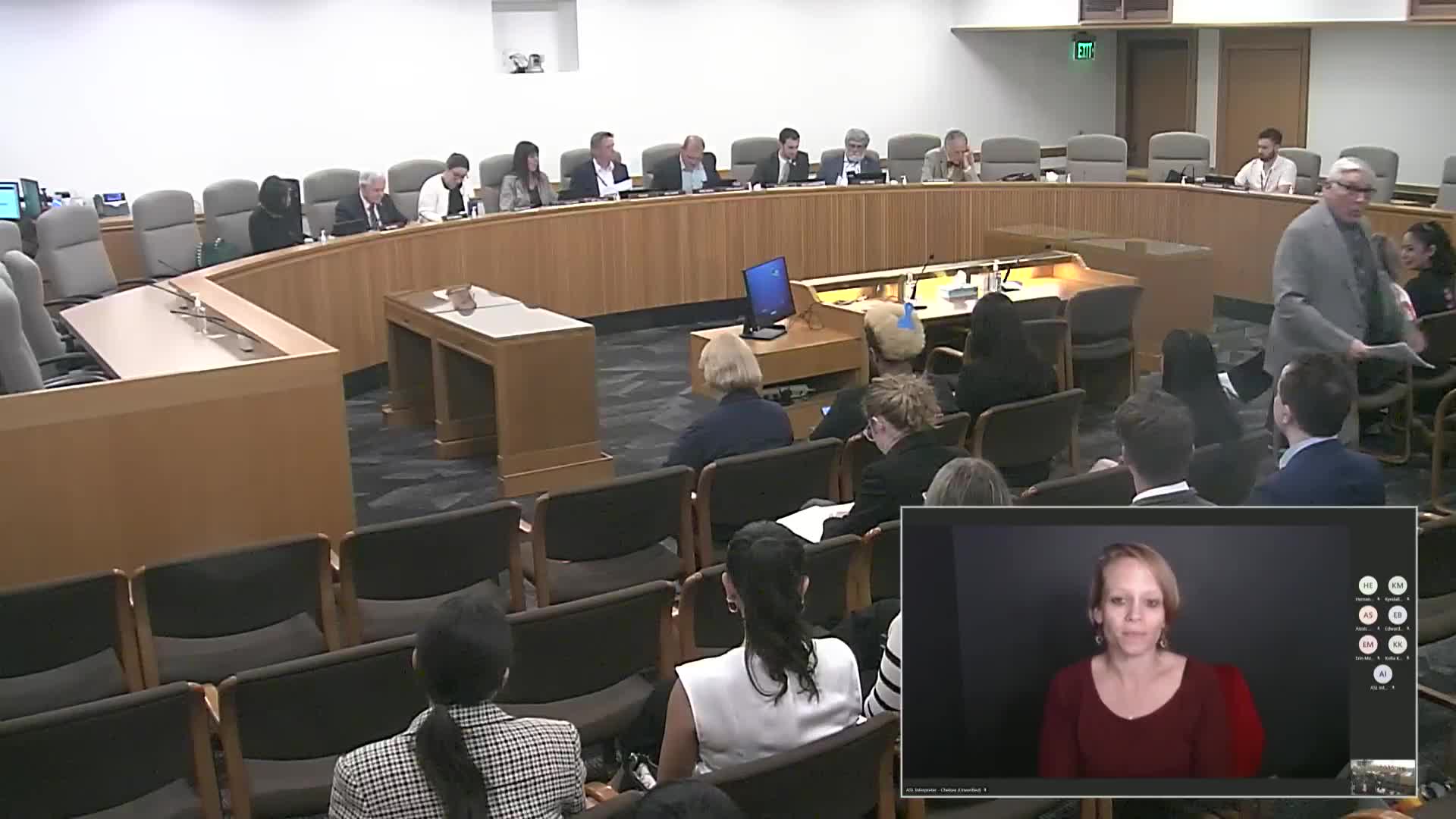
House Judiciary committee hears SB 599A to bar housing discrimination based on immigration status
Summary
Senate Bill 599A would prohibit landlords from inquiring about or denying rental housing based on immigration or citizenship status and allow alternative identity verification documents; supporters said the change promotes tenant safety and housing stability, while stakeholders discussed compliance and federal program exceptions.
The House Committee on Judiciary conducted a public hearing April 23 on Senate Bill 599A (dash 4), a bill that would prohibit landlords from discriminating against applicants or tenants on the basis of immigration or citizenship status and require landlords to accept a range of identity documents in lieu of a Social Security number.
Senator Winsve Campos, the bill’s sponsor, told the committee the measure addresses a gap in state law by preventing landlords from using immigration status to deny housing or to harass or intimidate tenants. "This bill is about more than documents. It is about dignity," the senator said, describing immigrant and refugee neighbors as integral members of Oregon communities who should not face housing exclusion.
Supporters proffered testimony from organizations including the Oregon Law Center, Housing Oregon, Basic Rights Oregon, Unite Oregon, Community Alliance of Tenants and local service providers. Sybil Hebb of the Oregon Law Center said the bill is based on Portland’s 2019 ordinance and five other states with similar protections; she noted the measure was amended in the Senate to address technical landlord concerns and to allow landlords to request combinations of alternative identification documents to verify name, date of birth and physical appearance. "This bill will provide reassurance and greater stability for our client communities," Hebb said.
Representative Ricky Ruiz and other lawmakers framed the bill as consistent with Oregon values and emphasized its bipartisan Senate passage record; the sponsor’s summary noted a Senate floor tally of 21 ayes and 8 nays. Housing industry representatives submitted neutral testimony in the record and, according to witnesses, some landlord groups worked with bill drafters to make the compliance requirements workable. Housing Oregon’s Kevin Cronin said Portland providers report compliance has been feasible and that his organization will help implement trainings for property managers.
Questions from committee members touched on the bill’s interaction with federally subsidized housing programs and on implementation details. Witnesses clarified that the bill does not override federal requirements for subsidized housing programs that require immigration verification for eligibility but would limit private landlords from seeking immigration status in ordinary rental applications. The bill also declares an emergency and would become operative 30 days after passage; sponsor materials listed a minimal fiscal impact and no revenue impact.
Why it matters: supporters said SB 599A reduces fear that discourages tenants from reporting unsafe housing conditions or asserting their rights and extends a protection that already exists in Portland to the statewide level. Opponents or concerned stakeholders in the record argued the measure could affect landlords’ screening practices, although witnesses said amendments aim to preserve workable verification methods.
Next steps: the committee closed the public hearing and received a range of testimony from tenant‑advocacy groups, providers and allied lawmakers; no committee vote was recorded April 23.