Get Full Government Meeting Transcripts, Videos, & Alerts Forever!
Get email alerts on the Tax Court Standing topic
No spam. Unsubscribe anytime.
Senate Judiciary hears bill to allow trade associations to seek declaratory rulings in Oregon Tax Court
Summary
At a public hearing, supporters said House Bill 2119 A would let trade associations seek declaratory judgments in the Oregon Tax Court on tax laws before members suffer monetary harm; local governments warned it could expand challenges to voter-approved local taxes and increase litigation costs.
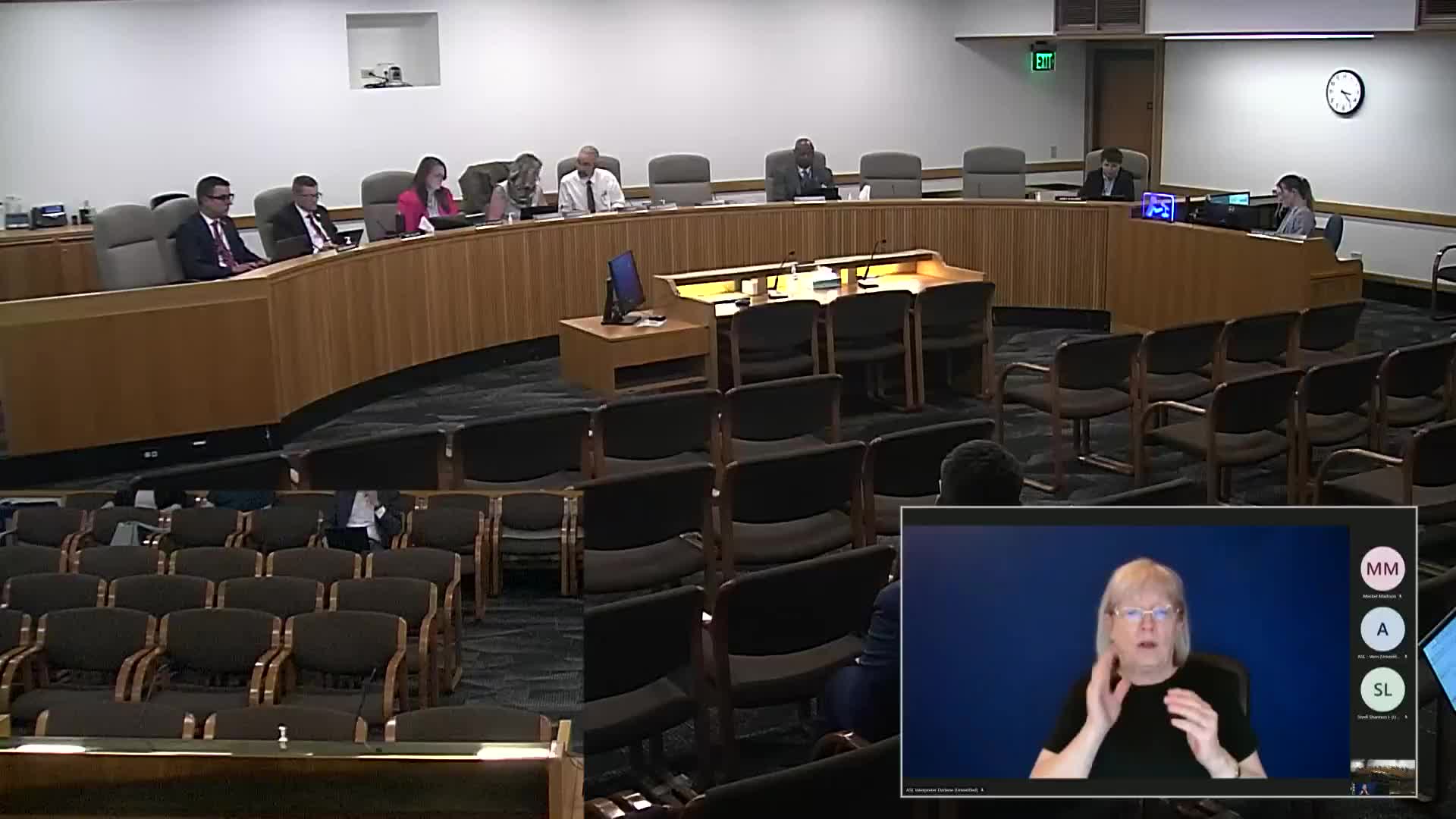
Chair Floyd Prozanski opened the Senate Committee on Judiciary public hearing on House Bill 2119 A, which would allow associations and organizations to seek declaratory relief in the Oregon Tax Court on tax questions affecting their members.
Supporters said the measure is meant to provide earlier certainty for businesses. Representative E. Werner Reschke, who carried the bill from the House, told the committee his intent was to let trade groups seek judicial clarity before one of their members has to pay a disputed tax and litigate for years. “An ounce prevention is worth a pound of cure,” Reschke said.
Derek Singston, policy director and counsel for Oregon Business and Industry, said the bill would let associations “assert standing in Oregon's tax court for their members and receive a declaratory judgment on the applicability of or the constitutionality of an Oregon tax law.” He described the current process as slow: a taxpayer generally has to pay a tax, undergo audits and appeals, and only then receive tax-court review — a process he said can take many years.
Multnomah County's Tom Powers testified in opposition, arguing the bill could expand the number and scope of challenges to locally adopted taxes that fund core services. “This would expand the standing to associations that represent such taxpayers,” Powers said, and could force counties and cities to spend additional resources defending voter-approved local funding.
Committee members asked whether the Oregon Tax Court covers all state and local tax disputes; witnesses confirmed the tax court handles state and many local tax matters but noted some procedural nuances. Senators also discussed whether a declaratory judgment action could include requests for stays or other temporary relief; witnesses said stays would be decided by the tax judge and are appealable.
The bill's House-floor record was read into the hearing: H.B. 2119 A came from the House with 56 aye votes and 4 excused. The committee held the public hearing and closed the record with no committee vote recorded during the session.
Because the transcript records only a public hearing, no committee action (motion or vote) was reported at this meeting.