Get Full Government Meeting Transcripts, Videos, & Alerts Forever!
Get email alerts on the Criminal Justice Occupational Assaults topic
No spam. Unsubscribe anytime.
Committee hears bill to make repeated assaults on workers a felony
Summary
Lawmakers and witnesses debated Senate Bill 170A, which would treat repeated assaults on workers performing official duties as an enhanced felony offense; proponents said it creates a uniform, occupation‑wide standard while critics and some defense groups raised concerns about mental‑health and knowledge requirements.
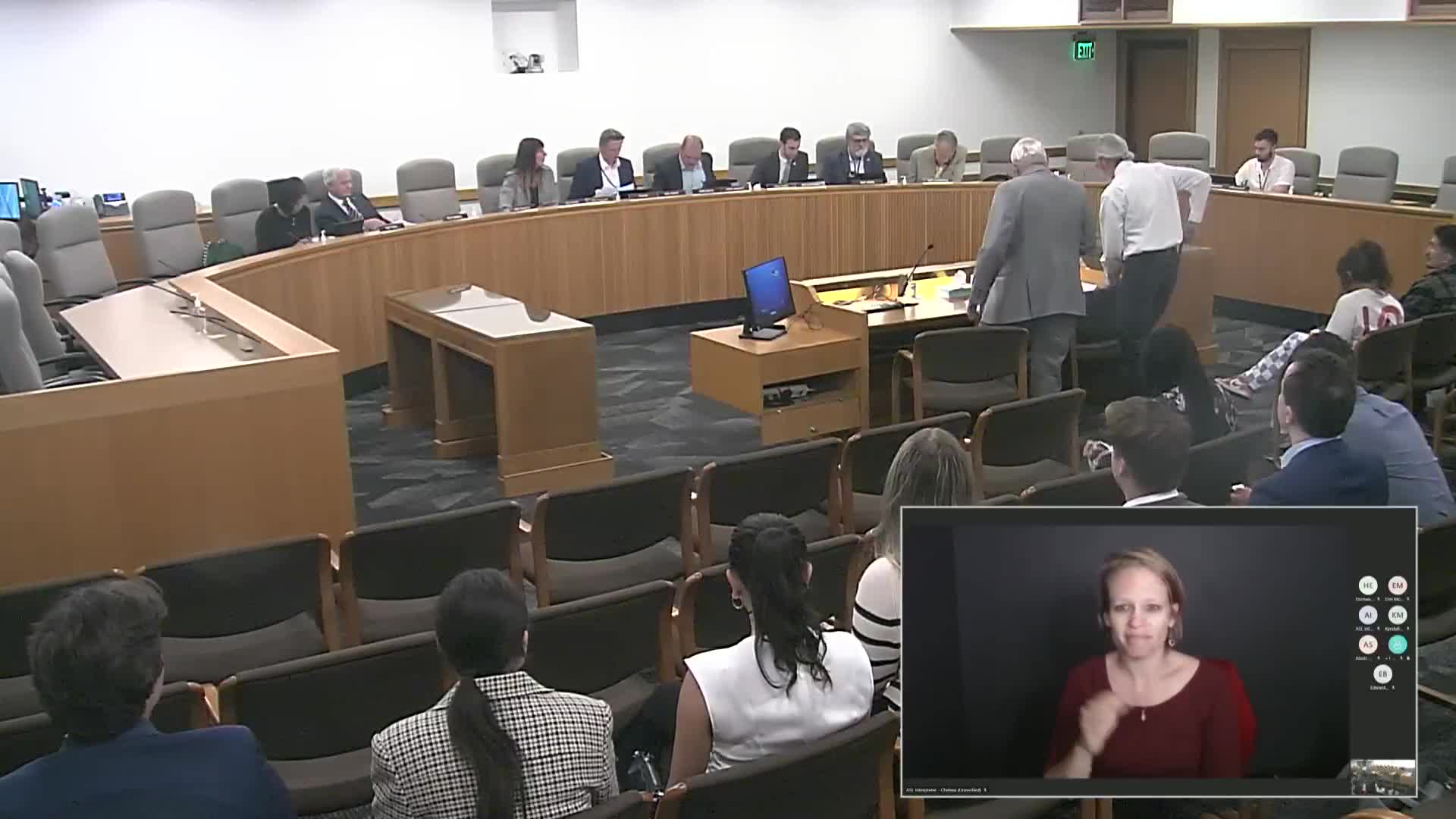
The House Committee on Judiciary held a public hearing April 23 on Senate Bill 170A, a measure that would create an "occupational assault" enhancement and elevate specified fourth‑degree assaults against workers performing official duties to a higher felony level after prior convictions.
The bill’s sponsor, Senator Pruzanski, told committee members the measure is intended to set a uniform standard across occupations so individual professions (for example health care, transit operators and others) will not have to return every session seeking separate protections. He said the proposal would treat an assault committed against a person who is performing official duties as an aggravating circumstance that counts toward an enhanced sentence if the assailant has two or more prior occupational‑assault convictions.
Supporters said the bill responds to repeated requests from multiple professions and aims to hold repeat offenders accountable. "That that would count against the individual for enhanced treatment if it continues in the future," Senator Pruzanski said, describing the measure as creating a baseline definition for occupationally motivated assaults. Representative Boomer Wright, who offered an amendment discussed at the hearing, said his amendment would add explicit coverage for public employees and expand certain aggravated‑harassment provisions to include actions such as propelling bodily fluids at public employees.
Committee members asked several procedural and evidentiary questions. Representative Lewis asked whether the bill requires proof that the assailant knew the victim was working; Senator Pruzanski said that, as drafted, the question of the assailant’s knowledge would likely be a factual question for a judge or jury and that he did not have a bright‑line rule in the current draft. Representative Wright’s amendment drew a critical procedural response from Maylee Browning, legislative director for the Oregon Criminal Defense Lawyers Association (OCDLA), who said OCDLA "vehemently opposed the hospital worker assault bill every single session" and opposed Representative Wright’s amendment because it would expand aggravated harassment to an immediate class C felony without escalation.
Other lawmakers framed the bill as a third‑strike style enhancement rather than purely deterrence. "It's also about accountability," Representative Mannix said, noting the bill’s mechanism of increasing penalties after prior convictions.
Senator Pruzanski suggested a path forward that would either merge Representative Wright’s language into SB 170A as an added section or leave the proposals as separate bills; he said he would concur with a merger if the committee preferred a single bill. The committee closed the public hearing on SB 170A and proceeded to the next item on the agenda.
Why it matters: proponents framed the bill as providing consistent protection for workers across occupations; opponents warned that the draft may lack safeguards for people with mental illness and that the knowledge element is unclear, which could create prosecutorial and constitutional complications.
Next steps: the committee record shows the public hearing was closed; further work — including possible amendment language to clarify knowledge requirements and charging practice — was discussed but no committee vote was recorded on April 23.