Get Full Government Meeting Transcripts, Videos, & Alerts Forever!
Get email alerts on the Tenant Protections topic
No spam. Unsubscribe anytime.
Committee hears bill to extend tenant notice for expiring affordability restrictions to 30 months
Summary
Senate Bill 973 would require landlords of publicly supported housing to notify applicants and tenants in writing about the date affordability restrictions may end and extend the tenant notice period from 20 to 30 months; proponents said the change aligns timelines and improves tenant protections.
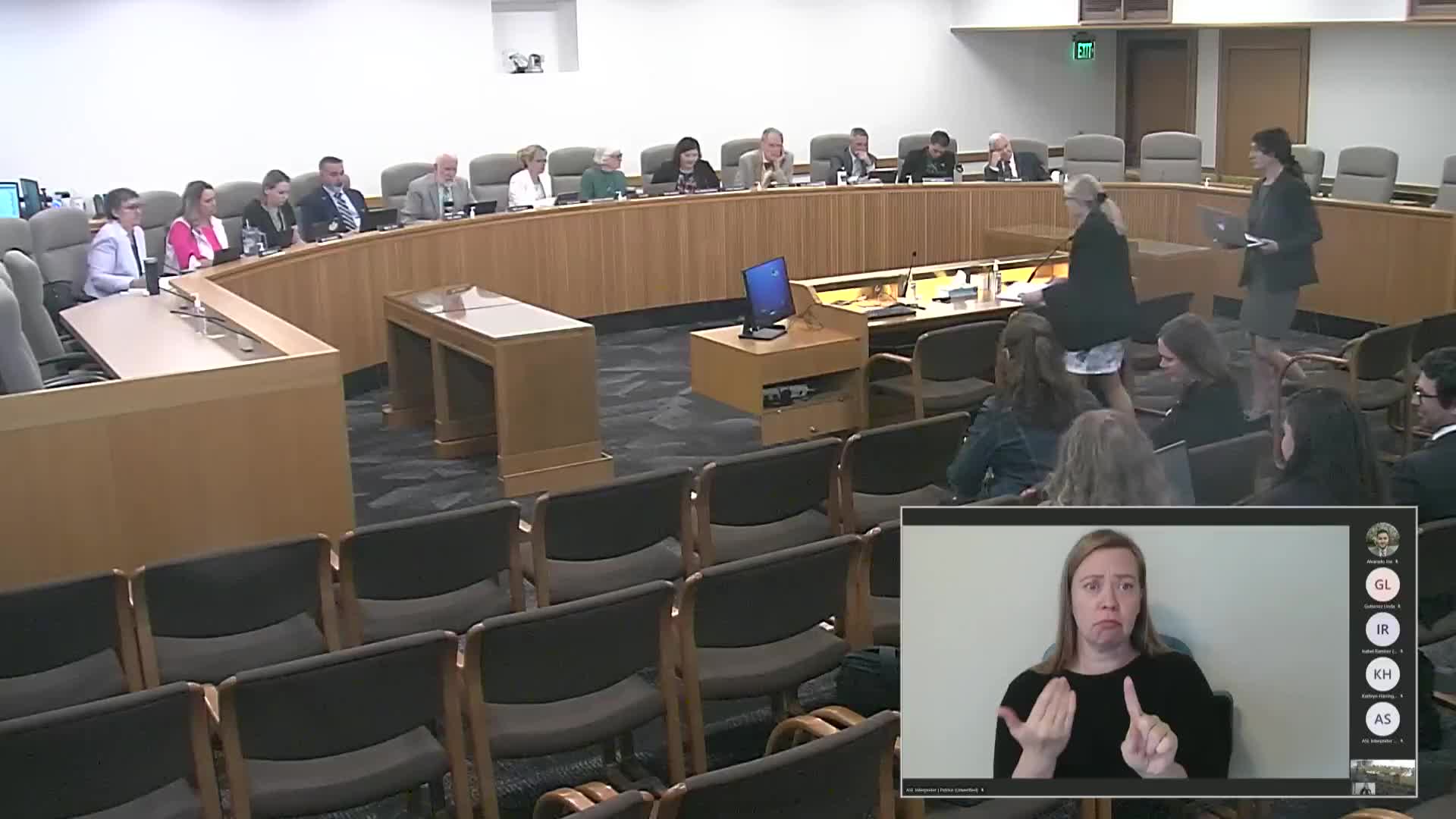
Representative Courtney Neron and Sen. Deb Patterson urged the House Committee on Housing and Homelessness on April 23 to back Senate Bill 973, which would strengthen tenant notification requirements when affordability restrictions on publicly supported housing expire.
The bill would extend the required notice to tenants from 20 months to 30 months, require owners to notify prospective tenants in writing before a lease is signed that the unit’s affordability restrictions may expire, and direct Oregon Housing and Community Services to provide template notice language in English and the five other most‑spoken languages in the state.
Sen. Patterson said the extra notice would provide tenants more time to plan, apply for wait lists and access supports if their units lose affordability. “Impacted tenants need adequate time to plan and identify other housing options or supports,” she said at the hearing.
Rep. Courtney Neron, who testified in support, said SB 973 builds on prior 2023 changes intended to provide a clear process for informing tenants of potential termination of affordability restrictions and adds multilingual and earlier notice to better protect renters.
Cameron Harrington of the Oregon Housing Alliance said the bill aligns timelines by making the owner’s notice to tenants match the notice owners already provide to the state, local jurisdictions and housing authorities, simplifying administration and ensuring everyone receives the same information at the same time.
Housing Oregon, Multifamily Northwest, the Washington County chair (Catherine Harrington) and tenant advocates including the Community Alliance of Tenants supported the bill during public testimony. Supporters described SB 973 as an administrative and communications change that improves tenant stability without creating new funding obligations for OHCS.
Witnesses and committee members discussed how the extended notice interacts with preservation funding applications; witnesses said owners can and sometimes do share updates about preservation applications with tenants but that the bill itself does not change funding processes. Several witnesses noted that while foreclosure is uncommon, financial pressures such as insurance and rising operating costs have increased risk for some properties.
Ending: Proponents said SB 973 is a straightforward, equity‑focused change to ensure that applicants and tenants in publicly supported housing know when affordability restrictions may end. The committee closed the public hearing and moved to the next agenda item.