Get Full Government Meeting Transcripts, Videos, & Alerts Forever!
Get email alerts on the Postpartum Medicaid Coverage topic
No spam. Unsubscribe anytime.
Panel hears bill to shorten postpartum Medicaid coverage to six months after July 2026; health groups warn of risks
Summary
Substitute House Bill 2,041 would require 12 months of postpartum Apple Health coverage until June 30, 2026, after which postpartum coverage would drop to six months. Committee staff presented projected savings; health groups and maternal‑health advocates warned shortening coverage could increase maternal morbidity and worsen disparities.
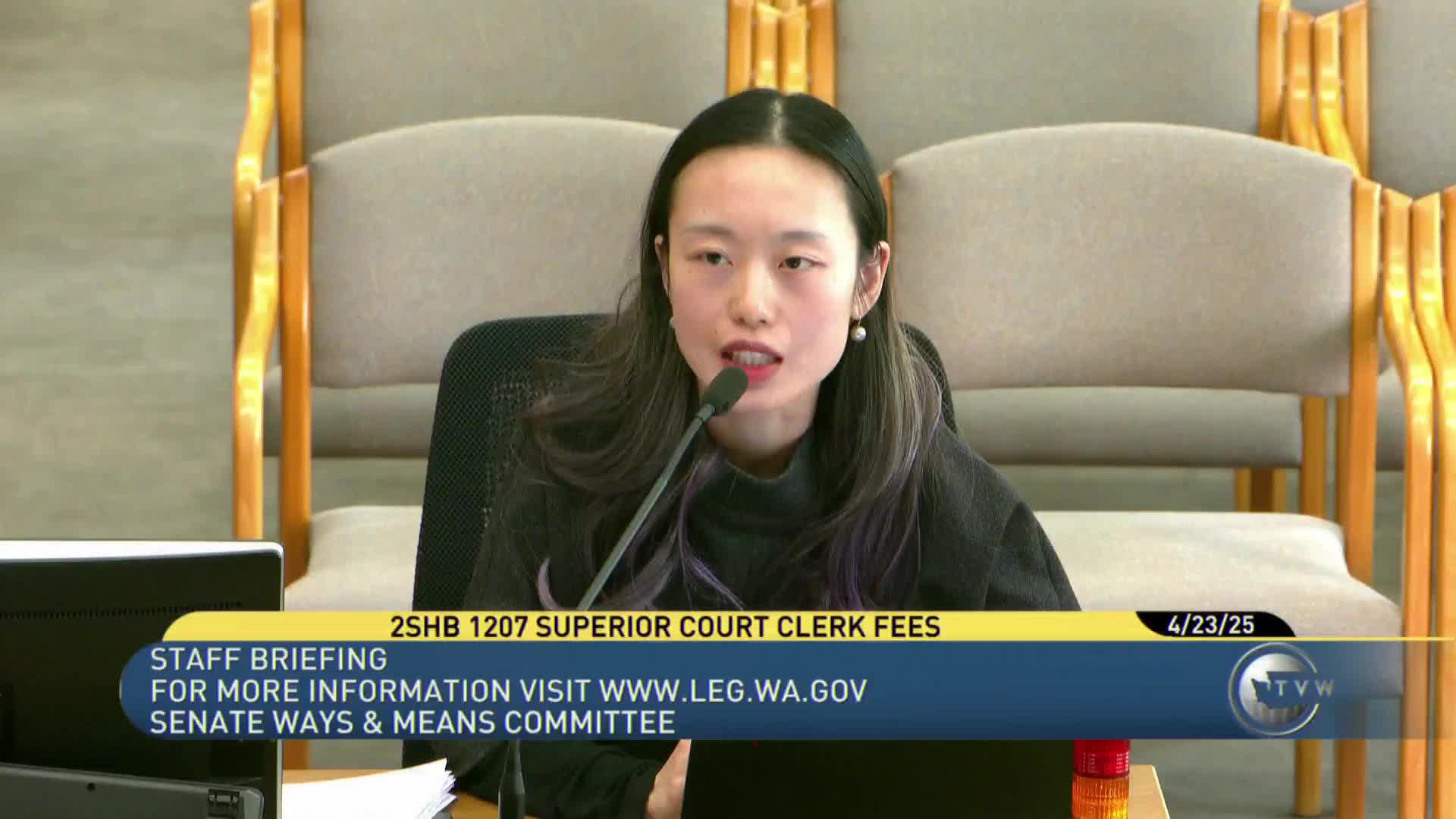
House Bill 2,041 would change the duration of postpartum Medicaid coverage (Apple Health). Sandy Stith, committee staff, summarized current law and the bill: Washington extended postpartum coverage to 12 months after June 1, 2022; HB 2,041 would require the Health Care Authority to maintain 12 months of coverage through June 30, 2026, and then reduce coverage to six months beginning July 1, 2026. Staff said the bill’s fiscal estimate reflects a July 2026 start and projected a $7.4 million biennial savings (about $3.9 million general fund state) for 2025‑27 and roughly $11.7 million in general‑fund savings over four years under the House‑passed assumptions.
Health organizations and clinicians testified in opposition. Alex Hamasaki, government relations director for the American Heart Association, told the committee that maternal mortality and morbidity remain concentrated in the postpartum period, and that “Cutting postpartum coverage from 12 months to 6 months is dangerous for the health of new parents in Washington.” He noted heart disease and stroke deaths are highest between six weeks and a year after delivery and said almost half of births in 2022 in Washington were covered by Apple Health.
Committee members asked staff for comparative state data. Stith said that 48 states (including Washington) have 12 months of postpartum coverage and two states do not; one state was pursuing extended coverage at the time of the briefing. Senators and witnesses urged consideration of maternal‑health disparities and cautioned that a shorter coverage window would disproportionately affect Medicaid‑covered births.
Ending: The hearing record shows robust testimony from health groups urging retention of 12 months of postpartum coverage to protect maternal health and address disparities; no formal vote was recorded at the conclusion of the hearing.