Get Full Government Meeting Transcripts, Videos, & Alerts Forever!
Get email alerts on the Child Support Pass Through topic
No spam. Unsubscribe anytime.
Committee hears testimony opposing delay of child‑support pass‑through to TANF families
Summary
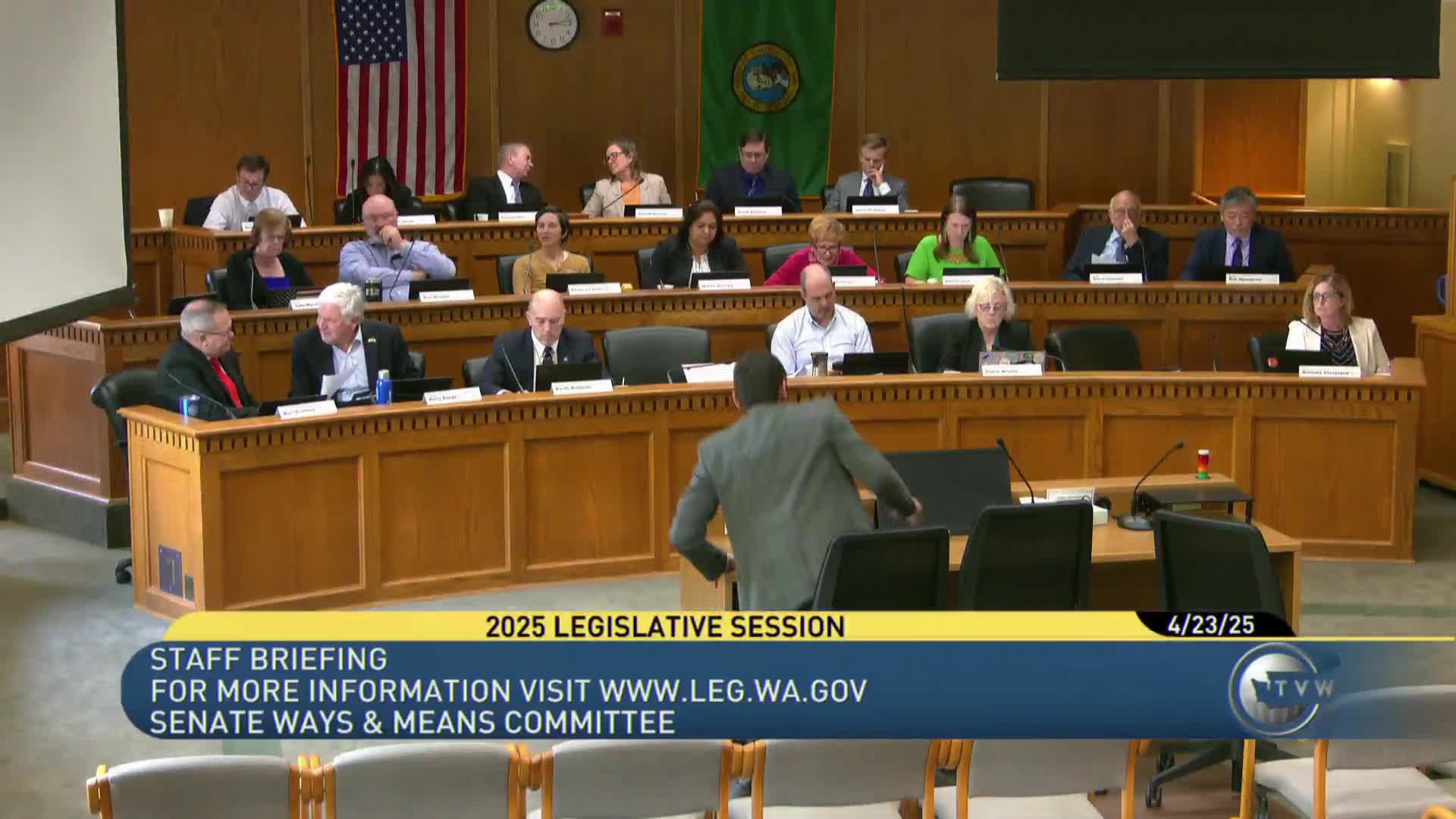
House Bill 2,039 would delay full child‑support pass‑through and the income disregard for TANF families from January 2026 to July 2029, a change that committee staff said saves about $48 million over four years but that witnesses warned would divert critical funds from children in deep poverty.
House Bill 2,039 would delay two scheduled changes to how child support is treated for families receiving Temporary Assistance for Needy Families (TANF). Josh Hinman, staff to the committee, told senators the measure would move implementation from January 2026 to July 2029 and estimated $48 million in state savings over four years, with roughly $33 million tied to delaying the pass‑through expansion and $15 million tied to delaying the income disregard.
The changes at issue were already set to take effect in January 2026 under current law: the state planned to fully pass through child‑support collections to TANF families and to disregard that pass‑through as income when determining TANF eligibility. Hinman said the Department of Social and Health Services currently collects child support on behalf of families and that under the existing schedule those changes would expand benefits and increase caseloads.
Public testimony was strongly opposed. Amy Rourke, who identified herself as an advocate on the Poverty Reduction Work Group and a parent who used TANF, said delaying the pass‑through is unjust. “If it were your kids, this bill would be law already,” Rourke said, describing the difference child‑support payments made when she received TANF. Liana Cresson of the Statewide Poverty Action Network and multiple parents and advocates described daily trade‑offs families face and urged the committee not to use child‑support dollars to close the state’s budget gap.
Others quantified the impact. James Clark, a member of the 2023 child‑support schedule work group, said prior briefings projected a multi‑year federal and state fiscal impact, and warned that shifting money away from families also reduces federal matching dollars. Several witnesses described their personal finances and said state retention of child support while families remain deeply impoverished would harm children’s basic needs.
Committee staff framed the bill as a budget‑savings measure; witnesses framed it as a policy choice that diverts money intended for children to the state general receipts. No formal action or vote was recorded in the hearing record. The committee did not adopt amendments during the public hearing and accepted testimony from a broad cross‑section of advocates and people with lived experience.
Ending: The committee hearing record indicates debate will continue; the bill remains under consideration and advocates urged legislators to reject the delay and allow the full pass‑through and income disregard to take effect in 2026 as currently scheduled.