Get Full Government Meeting Transcripts, Videos, & Alerts Forever!
Get email alerts on the Judiciary Budget And Vacancies topic
No spam. Unsubscribe anytime.
Acting administrative director tells Senate committee judiciary is reducing backlog but judicial vacancies remain a strain
Summary
Michael Blee, acting administrative director of the New Jersey Courts, told the Senate Budget and Appropriations Committee that case resolution rose nearly 12% last year and the overall backlog fell 21%, while the judiciary still faces dozens of judicial vacancies that could disrupt trials in some vicinages.
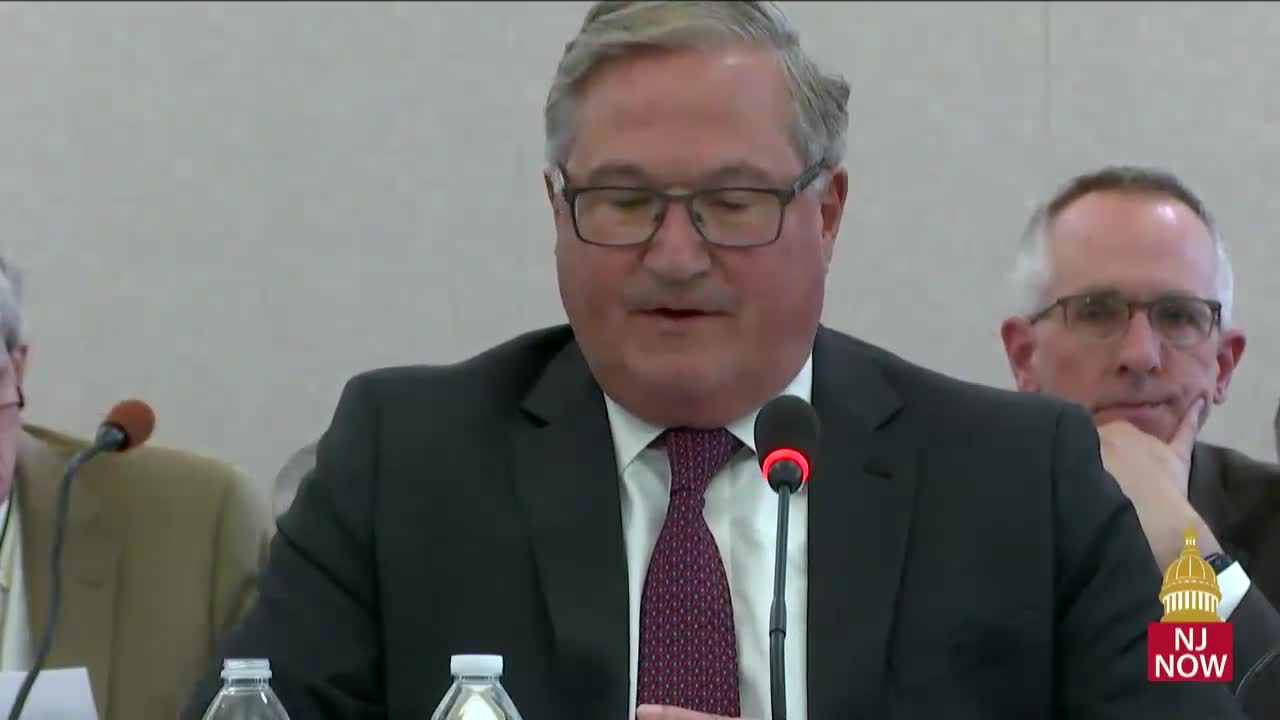
Michael Blee, the acting administrative director of the courts, told the Senate Budget and Appropriations Committee on April 22 that the judiciary’s caseload is improving but still strained by vacancies.
Blee said the number of cases resolved in the past fiscal year rose “nearly 12 percent,” lowering the total backlog by about 21 percent, but he added the improvement “falls short of our present goal” and that filling judicial vacancies remains critical to reducing delays.
The nut graf: The judiciary reported measurable progress on case resolution since the pandemic, but Blee and senators warned that concentrated vacancies in certain counties can force disruption of scheduled trials and slow access to justice unless nominations and confirmations accelerate.
Blee told committee members that as of his testimony the judiciary had 49 vacancies and that number was expected to rise to 51 by May 1; he said a healthier range for vacancies would be about 25 to 35. “The absolute number of vacancies is not as important as where they are,” Blee said, explaining that having multiple vacancies in a single vicinage can force the postponement of civil and criminal trials.
Committee members described local impacts. Blee said assignment judges and neighboring vicinages sometimes reassign matters or take other temporary measures to keep cases moving, but those solutions strain judicial resources and lawyers called in from other counties.
The acting director framed the vacancies in part as the product of a stringent vetting and selection process and pledged continued collaboration with the legislature and the bar to recruit and vet candidates. He said the judiciary is continuing efforts to fill seats and noted that 76 vacancies several years ago represented a deeper crisis than the current position.
Blee also reiterated judicial priorities tied to the budget request: reducing the backlog, filling vacancies, maintaining court security and pumping resources into programs that address underlying problems driving court appearances. He emphasized transparency measures adopted last year, including live streaming of appellate division hearings and broader access to court filings for appellate matters.
Operational impacts were a recurring concern. Blee said that if certain vicinages reach five or six vacancies “it's a distinct possibility” that the court would need to halt some civil trial calendars, and he told senators the judiciary would provide data on threats to trial schedules if vacancies worsen.
Ending: Blee closed by committing to continued cooperation with the legislature and the bar and said the judiciary would provide requested data to the committee about vacancy locations and trial schedules.