Get Full Government Meeting Transcripts, Videos, & Alerts Forever!
Get email alerts on the School Meals topic
No spam. Unsubscribe anytime.
West Valley child nutrition director reports nearly 3,000 meals served daily, $700,000 carryover and local sourcing push
Summary
Child Nutrition Director Madeline Benedicto told the school board the district is serving nearly 3,000 meals daily, expanded free meals to eight of nine schools this year, grew participation by about 200 meals per day and plans equipment replacements funded from a roughly $700,000 carryover.
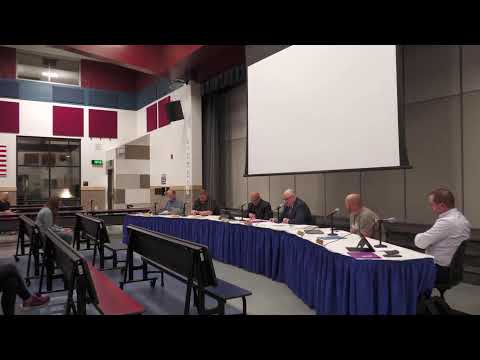
Madeline Benedicto, child nutrition director for West Valley School District, told the board on April 22 that the district is serving about 2,950 lunches and roughly 1,250 breakfasts each school day and has increased participation by about 200 meals per day compared with last school year.
Benedicto said the program now provides reimbursable meals at no cost at eight of the district’s nine schools because of two Washington state laws that expanded free meal eligibility; West Valley High School remains required to have families submit meal applications. She said the district participates in the U.S. Department of Agriculture’s National School Lunch and School Breakfast programs, which provide USDA Foods and federal reimbursements for every reimbursable meal.
The increase in participation and federal/state reimbursements have helped create a program reserve. Benedicto said the child nutrition fund finished last year with a $73,000 surplus, giving the program a carryover balance of about $700,000. She said the department plans to use some of those funds this summer to replace aging equipment, identifying a dishwasher replacement at Cottonwood Elementary with installation estimated at about $60,000 and a refrigeration unit at the Innovation Center at about $20,000.
Benedicto described a centralized kitchen model based at the junior high that prepares hot and cold entrees, fruits and vegetables, and baked goods for delivery to satellite kitchens. She said the district prepares six menus each month to accommodate dietary needs, and cited six managers, five cooks, two drivers and 26 frontline employees working across the program.
Benedicto also described local sourcing and Farm to School activity. She named several Washington suppliers the program uses, including Chelan Fresh (apples), Borton’s Fruit, Rembrandt Farms (soft fruits), Boucher (potatoes), Auburn Dairy (yogurt), Rolling Hawkins Farms (frozen berries and cherries), Cascade Milling (organic flour) and Yakima Nation suppliers for melons and fall produce. She said the program is prioritizing Washington-raised meats and wheat and aims to add two to three new local farmers each year.
The director reported program events and student engagement efforts: taste-testings, a Power Up student leadership group that selected culturally inclusive recipes to be featured at a multicultural celebration on April 24, and a junior chef competition scheduled at the Innovation Center. Benedicto said the department has introduced more scratch-cooked recipes with guidance from a visiting chef and is expanding nutrition education in classrooms.
She warned the board that the Office of the Superintendent of Public Instruction’s Local Food for Schools (LFS) procurement program was discontinued; she said OSPI previously provided “entitlement” dollars based on total meals served—about $250,000–$300,000 annually for the district—and that the program helped the district buy local foods at reduced cost. Benedicto said that change will reduce a procurement channel the department used and will require finding alternate sourcing or funding strategies.
On staffing and operations, Benedicto said Kelly Cadusto has moved into a coordinator role after serving as production manager and that Laurie Munoz handles office correspondence and free-and-reduced meal applications. She described the program as financially self-sustaining, with revenue from federal and state subsidies, catering, vending and a la carte sales.
Looking ahead, Benedicto said the department will continue to focus on increasing student participation, reducing food waste, expanding nutrition education and exploring a school garden or hydroponic systems in collaboration with principals and the Innovation Center.
The director concluded by inviting board members to upcoming events. She said the multicultural celebration would feature student-selected recipes and the junior chef competition will include four student teams presenting to judges.