Get Full Government Meeting Transcripts, Videos, & Alerts Forever!
Get email alerts on the Zoning Code Update topic
No spam. Unsubscribe anytime.
Missoula launches multi‑year rewrite of zoning and subdivision rules with broad public process
Summary
City leaders and consultants opened a public process to rewrite Missoula’s zoning ordinance and possibly subdivision regulations, emphasizing extensive public engagement, a multi‑draft approach and that map rezoning is not part of the initial phase.
Mayor John Anken and city planning officials on the evening opened a multi‑year effort to overhaul Missoula’s zoning ordinance and the city’s subdivision rules, telling residents the project will emphasize public input, technical review and a phased drafting process rather than immediate changes to the city’s zoning map.
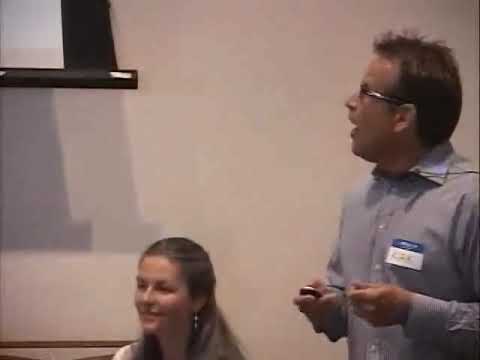
The kickoff meeting laid out a work plan that will begin with listening and outreach, produce a “zoning principles” or “big ideas” report, and then advance through multiple ordinance drafts, public workshops and formal hearings. Consultant Kirk Bishop described the effort as “a comprehensive and complete overhaul of the city's zoning ordinance,” and said the team expects to spend substantial time up front listening and mapping community values.
Why it matters: zoning rules determine what people can build and where, affecting housing supply, neighborhood character, parking and infrastructure. City and consultant leaders framed the rewrite as an opportunity to make the ordinance clearer and easier to use, add modern standards for reuse and design, and create procedural clarity for permitting and enforcement.
The consultants and city staff said the project will emphasize three public‑engagement aims: communicate project information, provide accessible avenues for participation, and coordinate outreach so feedback is incorporated. Michelle Gregory of Soapbox Enterprises told the room, “y'all are vested from this point forward until what we have is a product that gets adopted,” and she described a mix of town halls, advisory‑group meetings, focus groups and an interactive project website (www.zoningmissoula.com).
Consultants sketched the timeline and process. The initial outreach and listening phase will last several months; consultants plan to prepare a zoning principles report and then produce at least one initial draft followed by successive revisions, an advisory‑group review, a public workshop draft for broad comment and, ultimately, the formal public hearing and adoption sequence. Bishop and others said it is typical to aim for an 18–24 month process but that they expect to allow more time; the team said stakeholders should anticipate roughly 24–30 months for the full effort.
City staff and consultants repeatedly emphasized that this rewrite is about changing the “rule book,” not automatically rezoning property. Bishop said that map changes are not part of the project’s initial scope: new or revised districts could be created in the text, but any property rezoning would follow later through the normal public‑notice and application processes. Staff said Montana statutes require mailed notice to adjoining property owners for map rezoning, while text changes require broader publication; the consultants said they will follow those statutory requirements and often exceed them locally.
Residents who reported back from small‑group discussions echoed recurring themes: requests for clearer, plain‑English regulations; stronger and more predictable enforcement; incentives or tools for affordable housing; sensitivity for hillsides, river corridors and historic areas; revision of parking standards; and robust outreach that reaches renters, low‑income households, students and others who do not normally attend public meetings. Multiple groups urged use of graphic examples and visual preference surveys so residents can see what different densities and building types look like in practice.
Several table reports and questioners pressed how advisory‑group members will be chosen. Attendees suggested the advisory body be geographically and interest balanced, including neighborhood representatives, developers, housing advocates and other stakeholders. City staff said the mayor and council will participate in appointing the committee, and the recruitment process is ongoing.
Office of Planning and Grants Director Roger Millar closed by promising to post meeting materials online and continue town halls and focused listening sessions over the summer and fall. Millar said, “Everything from tonight will be on the website by the end of the week,” and he urged attendees to stay involved through the project website and project manager Mark Landkammer at the Office of Planning and Grants.
Looking ahead: the consultants will produce an independent technical review comparing Missoula’s code with peer practice, convene focus groups and finalize the advisory committee. City staff will schedule follow‑up town halls and post meeting summaries and materials to zoningmissoula.com so residents who could not attend can follow the project.