Get Full Government Meeting Transcripts, Videos, & Alerts Forever!
Yale historian David Blight says U.S. memory of the Civil War sidelined emancipation in favor of reconciliation and the Lost Cause
Summary
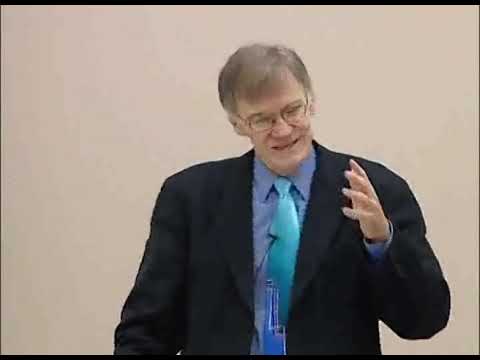
At an afternoon lecture at the University of Montana in Missoula, David Blight, professor of history at Yale University, argued that American culture long prioritized reconciliation and the Lost Cause legend over emancipation, citing textbook battles, reunion ceremonies and archival evidence that together reshaped public memory.
David Blight, professor of history at Yale University, told an audience at an afternoon lecture at the University of Montana in Missoula that American memory of the Civil War largely sidelined slavery and emancipation in favor of reconciliation and the Lost Cause.
Blight said the study of collective memory requires the same rigorous evidence historians apply to other subjects and warned that memory can be both "an extraordinary record" and a source of distortion. He quoted philosopher Avishai Margalit, saying, "Memory is knowledge from the past," and invoked Augustine to stress memory’s power: "Great is the power of memory, a fearful thing."
Why this matters: Blight argued that how a nation remembers its past shapes its politics, textbooks and monuments. He described three dominant strands of Civil War memory in the half-century after the…
Already have an account? Log in
Subscribe to keep reading
Unlock the rest of this article — and every article on Citizen Portal.
- Unlimited articles
- AI-powered breakdowns of topics, speakers, decisions, and budgets
- Instant alerts when your location has a new meeting
- Follow topics and more locations
- 1,000 AI Insights / month, plus AI Chat