Get Full Government Meeting Transcripts, Videos, & Alerts Forever!
Get email alerts on the Music topic
No spam. Unsubscribe anytime.
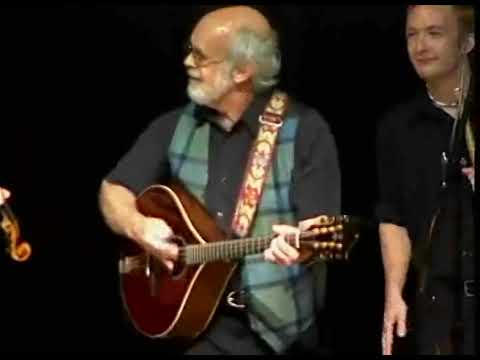
Celtic set in Missoula mixes Scottish reels and Irish jigs with dancer and historical notes
Summary
A group of musicians performed a program of Scottish and Irish tunes in Missoula, including polkas, jigs and reels. The set featured a vocal song “The Rover Seldom Sober,” a dancer, and a short history of Francis O'Neil’s tune collection.
Musicians in Missoula performed a set of Scottish and Irish tunes that included traditional polkas, jigs and reels, a vocal song titled “The Rover Seldom Sober,” and a featured dancer, according to the meeting transcript (date not specified in the transcript).
The program opened with a set of Irish polkas and an explanation that the last tune in that set was written by Donald Lunney; one performer warned the audience that Lunney “added a few beats here and there” so clapping might fall out of time. The group moved between instrumentals and vocal numbers. Pete Howard provided lead vocals on at least one song the transcript identifies by name, and Bethany Duff joined the stage as a dancer for a jig set.
The vocal set included “The Rover Seldom Sober,” which the performer introduced as a Scottish song about a young man who walks through rain to see his true love. The band followed with reels and jigs, including a tune identified in the transcript as “Larry Redican’s slipjig.” A performer framed the later reels with a short history of Francis O'Neil (also presented in the transcript as Chief O'Neil or Francis O'Neil), saying O'Neil migrated from County Sligo, collected traditional tunes and helped preserve pieces now played by Irish musicians in the United States.
Performers named or mentioned in the transcript included Pete Howard (lead vocals), Bethany Duff (dancer), Stuart Mason (guitarist), John Weed (fiddle), and John (surname not specified) on bouzouki and other instruments. The group also referenced contemporary and historical tune authors including Donald Lunney and Alan Kelly. The transcript records light stage patter and audience interaction; one performer said, “And it's definitely not us. It's Donald,” referring to the compositional irregularities in Lunney’s tune.
The set mixed explanation and performance: performers explained tune origins (for example, saying the first two reels came from Francis O'Neil’s collections) and introduced dancers and instrumentalists between numbers. The transcript contains no formal actions, votes, or policy discussion. The performance concluded with additional reels and a fiddle introduction for John Weed.
Details not specified in the transcript include the event date, venue name beyond “Missoula,” full surnames for some performers identified only by given name, and any ticketing or program information.