Lifetime Citizen Portal Access — AI Briefings, Alerts & Unlimited Follows
Allies defeat Montana master ‘Octopus’ in Missoula simul after clock battle
Loading...
Summary
A team of Allies players beat Greg Nowak, the Montana champion known as the “Octopus,” when his clock ran out during a timed simultaneous exhibition in Missoula. The group and Nowak traded typical Sicilian/reverse-English lines before the Allies converted a material advantage into a win by time.
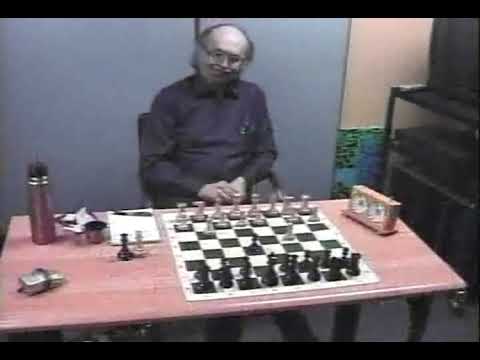
A group of local players identified themselves as the Allies beat Greg Nowak — the 11‑time Montana champion known as the “Octopus” — when his clock ran down during a simultaneous exhibition in Missoula.
Paul, one of the Allies players and the group’s on‑board commentator, introduced the match by saying, “Greg is the 11‑time Montana champ, he’s a nationally recognized master,” and described the event as a public simul played in Missoula. The Allies operated on a longer clock than Nowak: at one point Paul noted, “Greg has a total of 45 minutes for all of his moves, whereas we have 2 hours and 15 minutes.” Later timing counts shown in the transcript put Greg under greater time pressure (down to around 20 minutes, and then to under a minute) before his flag fell and the Allies called victory.
The game followed opening themes the players described as a Sicilian‑style structure in reverse — commonly called an English opening when colors are inverted — with repeated references to a reverse Yugoslav and the Dragon family of positions. Allies players debated a range of plans (castling themes, queen‑side pawn pushes, and when to attempt a Yugoslav‑style assault in reverse) and adjusted in real time; Miles, Ben, Dale, Eric and others rotated moves and running duties while Paul narrated. The group used standard over‑the‑board timekeeping; Paul and others described using three clocks (one for Nowak, one for the Allies, and one official clock between rooms) to avoid past timing disputes.
Midgame choices focused on piece placement around the center and on opposite‑side attack ideas. The Allies pushed pawns to challenge Nowak’s bishop diagonals, exchanged into a sequence where the Allies emerged materially ahead after a series of captures and a rook trade. After the exchange sequence the Allies had a clear material and positional edge and were able to press a passed pawn and to coordinate rooks on the open files.
At several points Nowak said aloud that he felt time pressure: “I’m under the gun here,” he told the room as he faced quick decisions with his clock ticking. With his clock running low in the late phase of the exhibition, the transcript records a moment when an Allies player announced, “Greg’s flag is falling. We are victorious.” The Allies consolidated the material edge and the clock outcome to claim the win; the transcript shows no formal score beyond the time‑out result.
The match was part chess lecture, part team collaboration: Allies players talked through alternatives aloud while one player executed moves and another handled clock duties. The commentary included historical and stylistic references (Bobby Fischer and the 1970s Yugoslav ideas were invoked while players justified why they chose defense or a safer kingside castle over a riskier queenside Yugoslav plan).
For spectators and local players, the simul offered a blend of instruction and exhibition: the Allies deliberately discussed move merits, defensive resources and tactical sidesteps while attempting to force practical decisions on Nowak. The transcript shows several moments where the Allies deliberately traded or advanced pawns to reduce Nowak’s counterplay or to create passed pawns that would be decisive in the endgame.
The event was conducted in Missoula with on‑board narration and a runner relaying moves for the larger board; the transcript notes that television/audio was present at parts of the session. The Allies’ win was recorded when Nowak’s clock ran out after the late middlegame exchanges and the Allies had converted a material advantage into a winning endgame posture.
The game provides a clear example of simultaneous‑exhibition dynamics: time management and practical coordination among multiple Allied players proved decisive against a highly experienced individual opponent. Because the record here is a running transcript rather than a formal scoresheet, exact move‑by‑move notation and a final move list are not provided in the transcript.