City manager presents FY26 recommended budget with $2.4 billion total and $16.3M proposed employee investments
Loading...
Summary
Tucson City Manager presented his first recommended budget for fiscal year 2026 during the April 22 council study session, proposing a $2.4 billion citywide budget with roughly $750 million in general fund spending and an emphasis on employee pay and retention.
Tucson City Manager presented his first recommended budget for fiscal year 2026 during the April 22 council study session, proposing a $2.4 billion citywide budget with roughly $750 million in general fund spending and an emphasis on employee pay and retention.
The recommended budget includes $16.3 million in general fund employee investments for FY26, continuation of a multi-year compensation plan, market adjustments for multiple classifications (including Tucson Fire and Tucson Police), and an in‑range pay placement process. The manager also recommends a change to the city’s reserve policy, replacing a percentage-based rainy day reserve with a flat $142 million general fund policy reserve and a package of $6.6 million in proposed new revenues (public utility tax options, a higher hotel-motel surcharge, possible naming-rights proceeds for the Tucson Convention Center and other fee changes).
Why it matters: the package is presented as a “balanced” FY26 recommendation but occurs amid several revenue pressures — a multi-year decline in state shared income tax receipts following a state flat-tax change, recent softness in sales tax collections, and uncertainty about federal competitive grant funding — that will affect multi-year projections. City staff said they expect to end FY25 with a positive year-end balance (est. $78.8 million unrestricted cash) but warned that without near-term policy choices operating deficits reappear in later years of the five‑year forecast.
Key revenue and policy points - General fund: ~$750 million spending (without transfers) and about $70–75 million in transfers to other funds; manager said “you can say between $750 and $800 million and be in the ballpark.” - State-shared income taxes: the state forecast presented to the city shows a decline from $144 million in FY24 to an updated forecast of $108.9 million for FY26, a multi-year drop the manager described as roughly $35 million lower than two years prior. - Proposed new revenues: the manager included $6.6 million in prospective new revenue measures under mayor/council control (public-utility tax options, room tax surcharges, TCC naming rights, park and recreation fee changes). - Reserve policy: staff propose changing from a percentage reserve to a flat $142 million “rainy day” policy, to provide predictability in a volatile revenue environment. - PSPRS pensions: the manager proposes continuing general fund and Section 115 trust contributions and recommends a partial “pay‑ahead” toward the unfunded liability ($7.6 million proposed this year, with a target of $15 million annually in future years).
Expenditure and one-time items - $19.5 million in recommended increases to base budgets (including capital funds, Thrive investments, software licensing). Software licensing increases were listed at $1.44 million; staff agreed to follow up on the baseline total software licensing spend. - $12.5 million in one-time items and carryforward allocations, including elections and rehab carryovers. - 25 recommended general fund position additions (including 911 call takers, 14 firefighter positions, and a Somos Uno project manager), offset by 36 position reductions overall as part of an ongoing realignment.
Public and council reaction and next steps Council members noted the importance of both protecting reserves and exploring new revenue options (including parking and a downtown mobility enterprise and possible adjustments to parking rates/hours). Several members urged caution on the magnitude and speed of new fees and wanted more public engagement before final adoption. Staff said the city will continue daily revenue monitoring and has instituted a “hiring frost” to control vacancy and recruitment pacing.
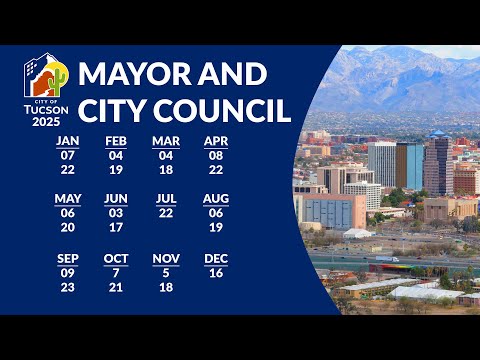
Timeline: the manager said the budget will continue through May 6 study sessions, an initial public hearing May 22, and a final June 3 adoption with final tax action June 17.
Ending: staff emphasized the five‑year view; under the recommended package FY26 is roughly balanced but future years may show operating shortfalls unless the council adopts additional revenue or expenditure measures.