Get Full Government Meeting Transcripts, Videos, & Alerts Forever!
Get email alerts on the Water Conservation topic
No spam. Unsubscribe anytime.
City reports modest water savings; staff touts SpokaneScape and rebates but council seeks stronger incentives
Summary
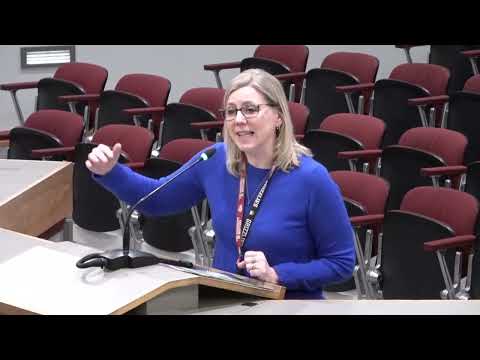
Kristin Zimmer, staff, presented the city’s annual Water Conservation Master Plan update, reporting continued program activity but only modest per‑capita reductions: 199 gallons per day in 2024 versus a program goal of 176.
Kristin Zimmer, staff, presented the city’s annual update on the Water Conservation Master Plan and reviewed program results for 2024, including rebate activity, turf‑removal efforts and irrigation audits.
Zimmer said residential per‑capita water use for 2024 was 199 gallons per day, down slightly from prior years but still above the plan goal of 176. She said the WaterWise and SpokaneScape programs are voluntary and incentive‑based; rebates and design assistance are available for residents and commercial customers.
"Last year we issued $64,000 in utility bill credits and approximately saved 3,100,000 gallons of water," Zimmer said, and noted that irrigation controller rebates and SpokaneScape conversions were the most popular measures. She said SpokaneScape projects removed about 97,000 square feet of turf in the last year and roughly 10 acres since the program began in 2018.
Staff highlighted case studies, including work with hospitals and commercial properties where audits, metering and operational changes produced sizable reductions. City golf courses were cited as an example of efficient irrigation practices, and staff said the Alliance for Water Efficiency selected Spokane’s program as a national best‑practice case for smart irrigation and turf removal.
Council members questioned the effectiveness of voluntary restrictions and noted equity and affordability concerns if deeper measures require household investments. One council member asked whether recent rate increases would act as an incentive to prompt conservation; staff said customers can access free audits and rebates but acknowledged voluntary programs take time to scale community‑wide.
Staff said the conservation strategy focuses on shaving peak summer pumping (a stated goal to reduce peak by 15 percent) and lowering base winter use so the system can serve growth without new pumping. The city will continue outreach, WaterWise workshops and the designer‑at‑your‑door service that offers one‑hour consultations for customers planning turf conversions.